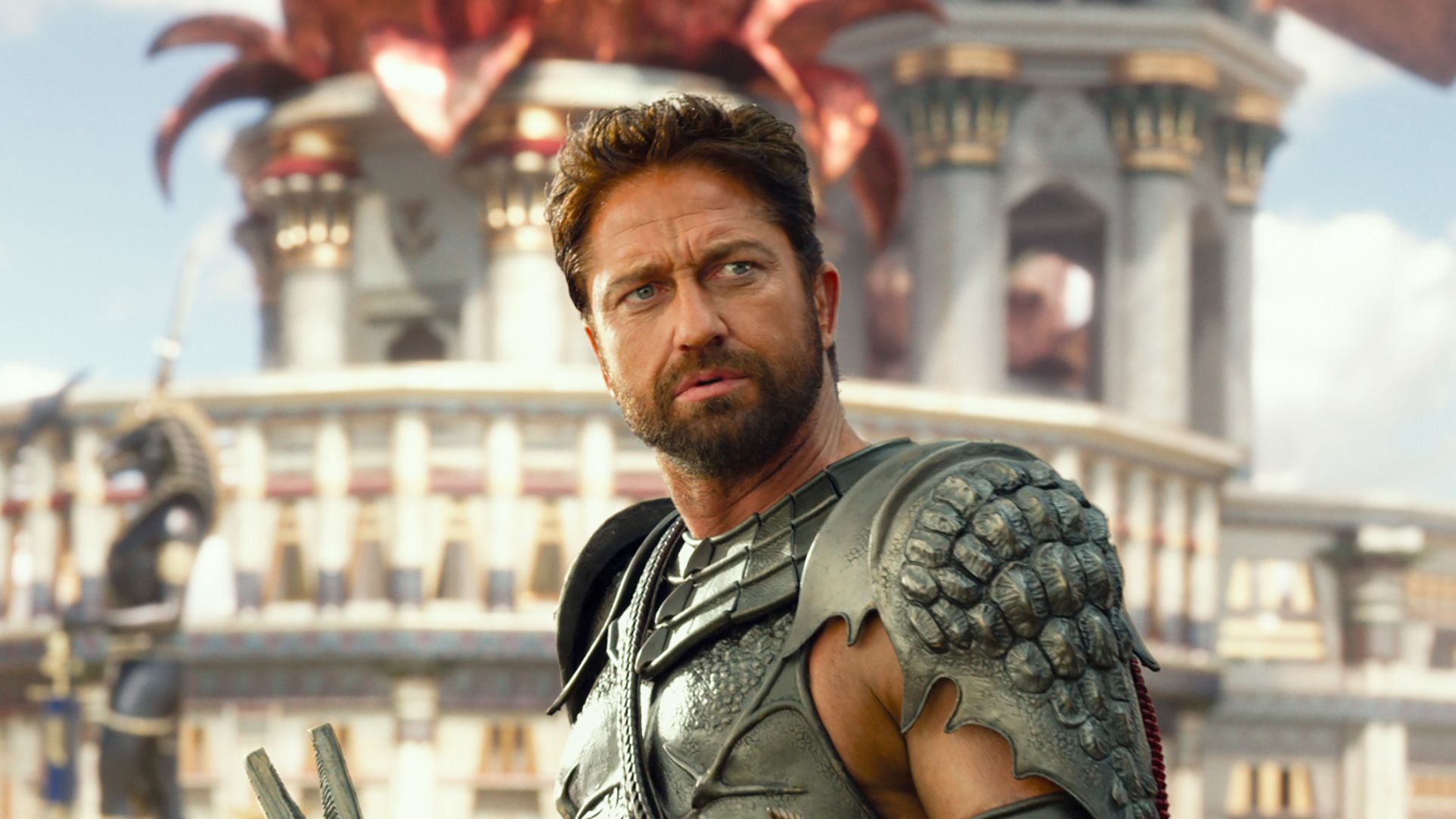
The release of Gods of Egypt in March 2016 ignited a significant backlash regarding whitewashing in Hollywood. Directed by Alex Proyas, the film featured a predominantly white cast in a story set in ancient Egypt, provoking widespread criticism that endures a decade later.
Despite a production budget of $140 million, the film struggled to resonate with audiences and critics alike. The action-fantasy attempted to recreate the sword-and-sandals spectacle akin to titles like 300 and Clash of the Titans, but it fell short in both execution and cultural sensitivity. The narrative follows Horus, played by Nikolaj Coster-Waldau, whose coronation is violently interrupted by his uncle, Set, portrayed by Gerard Butler. The plot unfolds with a thief, Bek (played by Brenton Thwaites), who teams up with Horus in a quest to reclaim power and restore order to Egypt.
The film’s casting choices drew immediate scrutiny. With the primary cast being predominantly white actors, the only notable exception was Chadwick Boseman, who played Thoth, the Egyptian god of wisdom. The backlash began months before the film’s release, leading Proyas and Lionsgate to issue a joint apology in late 2015. Critics viewed this statement as an insufficient attempt to quell the growing discontent, with Todd Boyd, a professor at the University of Southern California, commenting that the apology was an effort to retain their chosen cast while avoiding backlash.
Public reaction was overwhelmingly negative, with many reviewing the film harshly. Critics like Lauren Humphries-Brooks from We Got This Covered described it as “a big, shiny disaster of a film,” while Peter Suderman of Vox stated, “It is bad in practically every way it could be bad.” The film’s poor reception was compounded by the public’s disdain, evidenced by humorous critiques on social media, including a notable comment from comic writer Gail Simone, who humorously compared the experience of watching the movie to “drinking a cup of warm leprosy.”
Academics also weighed in on the film’s implications. Beth Ann Judas from the Biblical Archaeological Society noted Proyas’s disregard for Egypt’s geographical and cultural context in his casting decisions. More recently, Egyptologist Anthony Browder criticized the film for reinforcing harmful racial stereotypes through its predominantly white cast.
Even Chadwick Boseman expressed concerns about the film’s casting. In an interview with GQ, he acknowledged the potential for backlash, stating, “I thought this [critique] might come up… I agree with it. That’s why I wanted to do it, so you would see someone of African descent playing Thoth.”
As the criticism intensified, Alex Proyas responded defensively on social media, expressing frustration with critics and lamenting that negative reviews often overshadowed his films. He predicted that positive assessments would emerge over time, a forecast that has not yet materialized.
Ten years later, Gods of Egypt serves as a cultural touchpoint in discussions about representation in film. Its legacy prompts a broader examination of casting choices in Hollywood, a conversation that continues to evolve. As filmmakers strive for authenticity, the lessons from this film remain relevant, highlighting the importance of diverse representation in storytelling.
Looking ahead, Proyas is reportedly in production for a new project, a science-fiction musical. This upcoming film could provide an opportunity for him to redefine his cinematic legacy. As society grapples with divisive issues, Proyas’s next venture may offer a chance for unity through creative expression.