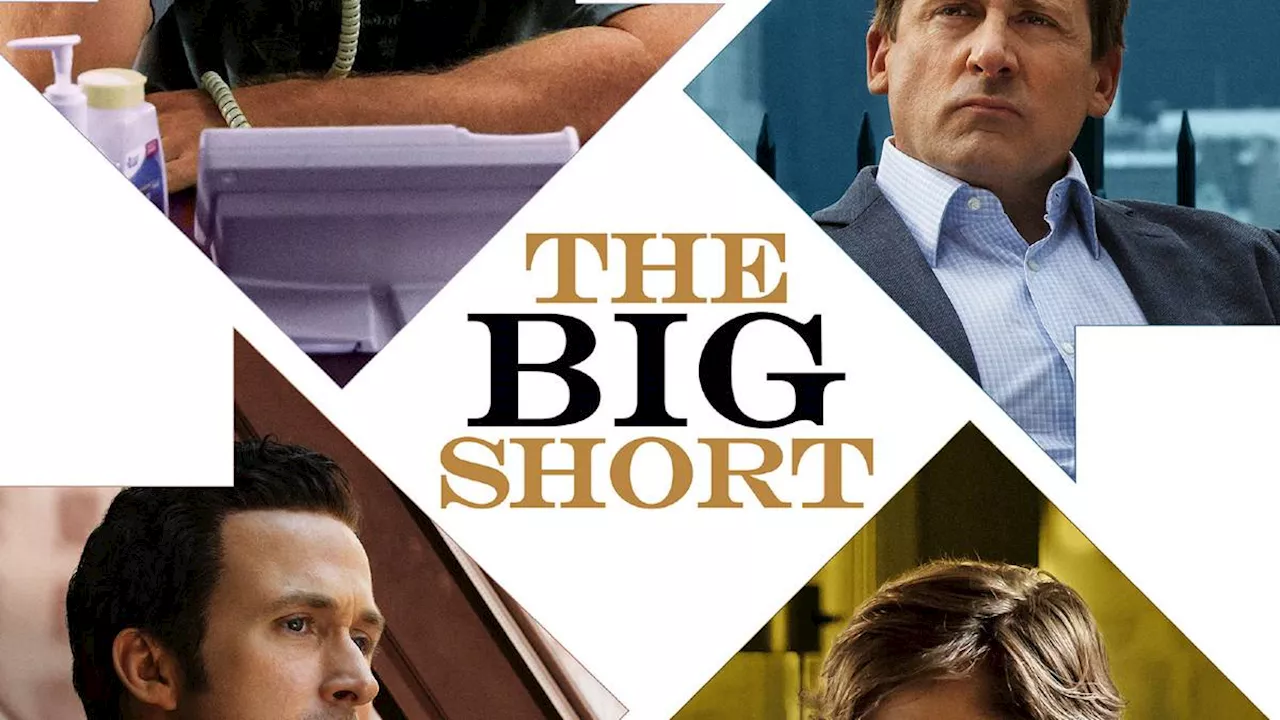
The Big Short provides a dramatized account of the events leading up to the financial crisis of 2007-2008. Based on Michael Lewis’s 2010 book, the film employs innovative narrative techniques, including breaking the fourth wall, to effectively convey complex financial concepts to viewers.
Directed by Adam McKay, the film features an ensemble cast, including Steve Carell, Christian Bale, and Ryan Gosling. Their performances have been widely praised, adding depth and humor to a story that delves into a troubling chapter of economic history. Critics have remarked on the film’s ability to balance entertainment with education, making it both engaging and informative.
Innovative Storytelling and Critical Reception
Upon its release, The Big Short was noted for its unique approach to discussing the financial crisis. It presents intricate details about the banking system and the events leading to the collapse in a manner that is accessible to a general audience. The film’s humor does not detract from its serious themes; rather, it enhances the viewing experience, keeping audiences engaged without oversimplifying the material.
“It breaks down big concepts for the audience in a way that is genuinely funny but not condescending,” one viewer remarked, highlighting the film’s balance of entertainment and education.
Many viewers found themselves captivated by the film’s narrative style, prompting some to watch it multiple times. The portrayal of the financial institutions’ actions during the crisis has sparked discussions about accountability and oversight in the banking sector. The film effectively illustrates the frustrations felt by many regarding the lack of consequences for those involved in the crisis.
Impact and Legacy
The Big Short has been recognized not only for its entertainment value but also for its cultural significance. It reflects widespread public sentiment about the financial industry and serves as a cautionary tale about the volatility of the market. The film encourages viewers to consider the implications of financial decisions made by institutions and the potential consequences for ordinary individuals.
Despite some criticisms regarding its pacing and complexity, the film remains a significant work in the realm of non-fiction cinema. Its ability to blend humor with a serious message has left a lasting impression, making it one of the more unique films inspired by real events in recent memory.
As discussions around financial literacy and responsibility continue, The Big Short stands as a critical reflection of the past that resonates with contemporary audiences. It invites viewers to not only understand the events of the crisis but also to engage in conversations about the future of finance and regulation.