Tracy Morgan’s memoir has sparked renewed interest in the tumultuous relationships among cast members of *Saturday Night Live* (SNL). In the book, Morgan recalls feelings of isolation during his early years on the show, highlighting the intense competition and interpersonal conflicts that have characterized the iconic sketch comedy program.
Morgan candidly describes how he felt “invisible” among some of his colleagues, specifically calling out former castmates Chris Kattan and Cheri Oteri for their treatment of him. He writes, “Now look where they at. Cheri Oteri, she can’t even get arrested.” His reflections illustrate the often harsh dynamics behind the scenes, where cast members grapple with long hours, high stakes, and the constant pressure of audience scrutiny.
Conflict With Chevy Chase and John Belushi
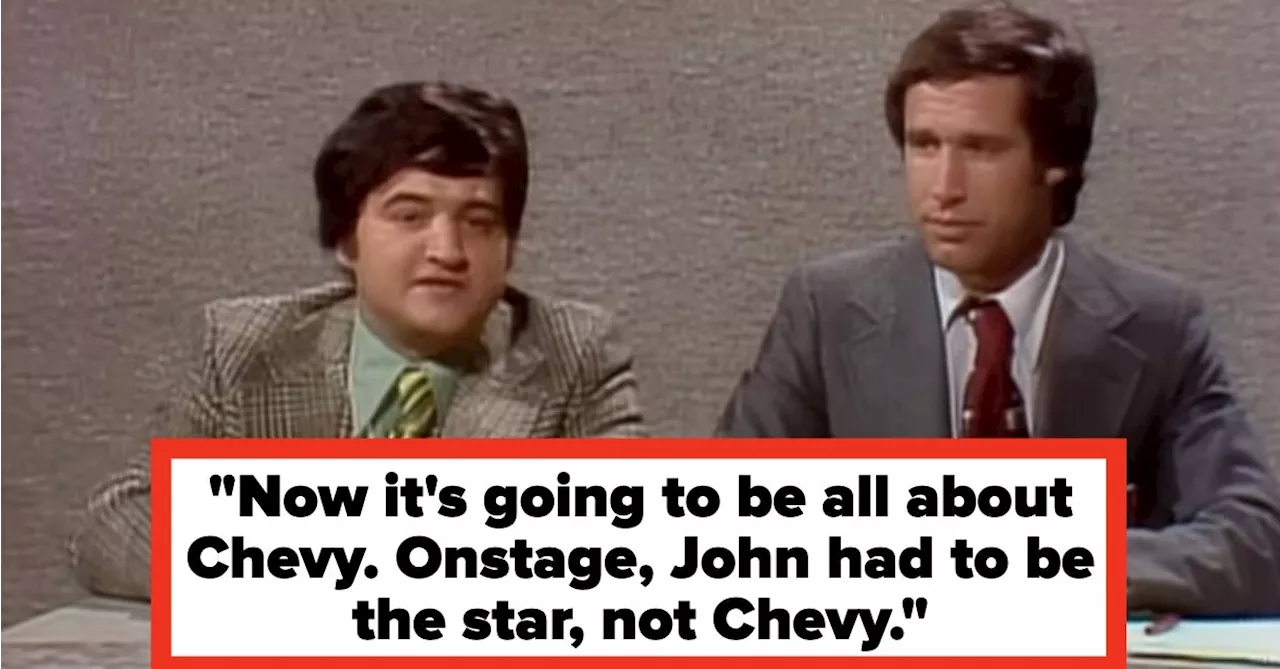
The memoir delves into notable feuds, including a particularly intense rivalry involving Chevy Chase and John Belushi. According to producer Dick Ebersol, Belushi was frustrated by Chase’s growing prominence on the show. “John is radically pissed off because he sees Chevy running away with the show,” Ebersol noted. This rivalry illustrates the competitive atmosphere that can arise when multiple talents vie for the spotlight.
Morgan recounts an incident where tension flared between Chase and Belushi, further emphasizing the cutthroat nature of the SNL environment. Belushi’s jealousy, according to Morgan, was a significant factor that contributed to the show’s internal strife, as he felt overshadowed by Chase’s charisma and appeal.
Another contentious relationship highlighted in the memoir is Morgan’s experience with Jimmy Fallon, whom he criticized for his infectious laughter, which Morgan believed detracted from the ensemble’s performance. “He wouldn’t mess with me because I didn’t play that shit,” Morgan asserts, reflecting a desire for a more serious comedic approach.
Gender Dynamics and Racial Issues
The memoir also touches on the challenges faced by female and minority cast members during SNL’s early years. Morgan recalls Victoria Jackson, stating, “I am not interested in what Victoria Jackson has to say,” and criticizing her views as extreme. This insight into Jackson’s controversial remarks highlights the friction that can occur when personal beliefs enter the workplace.
Additionally, the experiences of Black cast members like Garrett Morris are brought to light. Morris describes the uphill battle against stereotypical roles and the resistance he faced from producers. “There was a doctor in this skit. Why don’t I play the doctor? And he says, ‘Garrett, people might be thrown by a Black doctor,'” Morris recounts, illustrating the persistent challenges of representation in comedy.
The memoir also sheds light on Jane Curtin‘s frustrations with the show’s treatment of women, particularly regarding John Belushi‘s alleged refusal to perform sketches written by female writers. Curtin’s experiences highlight the gender biases that have historically plagued the entertainment industry, particularly in sketch comedy.
Conclusion
Tracy Morgan’s memoir serves as a candid exploration of the behind-the-scenes drama at SNL, revealing the intense rivalries, gender dynamics, and racial issues that have shaped the show over the years. As audiences continue to celebrate the legacy of SNL, Morgan’s reflections provide a valuable perspective on the sacrifices and struggles faced by those who have contributed to its enduring success.