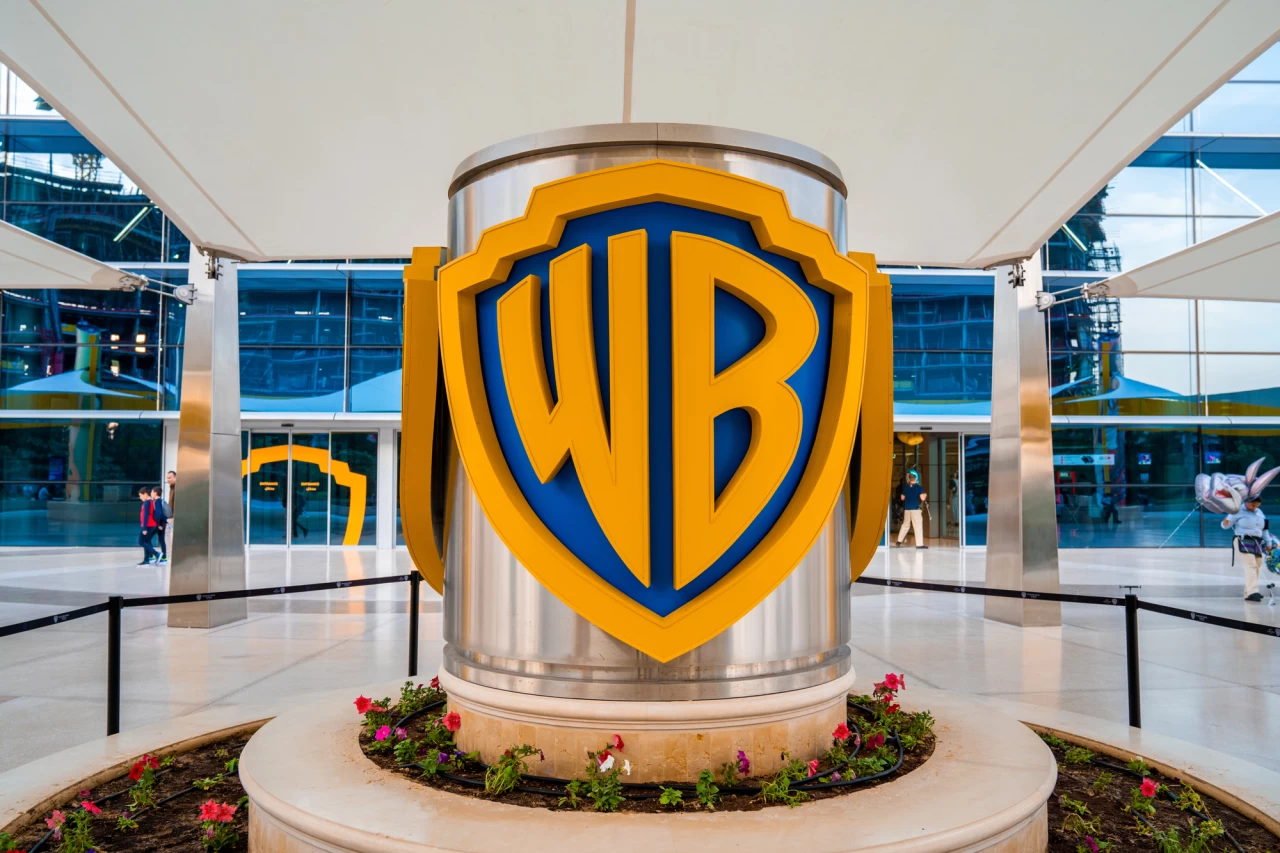
Warner Bros., a major player in the film and television industry, is poised for a significant shift in ownership as it moves toward acquisition by the leading global streaming service. This potential deal is pending approval from regulatory bodies, which will assess its implications for competition in the media sector.
The acquisition represents a pivotal moment in the ongoing evolution of content distribution. Warner Bros. has a rich legacy, producing iconic films and television series that have shaped the entertainment landscape. The streaming service, recognized for its vast library and innovative offerings, aims to expand its reach and bolster its content portfolio through this strategic purchase.
Regulatory Scrutiny Ahead
As with any major acquisition, regulatory scrutiny will play a crucial role in determining the outcome. Authorities are expected to evaluate the potential impact on market competition and consumer choice. These assessments will focus on how this merger might alter the dynamics between traditional media companies and digital platforms.
A successful acquisition could enhance the streaming service’s position in the market, allowing it to consolidate its offerings and potentially increase subscriber numbers. Analysts suggest that integrating Warner Bros.’ extensive catalog could provide the streaming platform with a competitive edge, particularly in an industry characterized by rapid changes and evolving viewer preferences.
Implications for the Entertainment Landscape
Should the acquisition proceed, it could signal a transformative shift in how content is produced and consumed. The merger could lead to new opportunities for collaboration, innovation, and enhanced viewer experiences. Warner Bros.’ established franchises could rejuvenate the streaming service’s lineup, attracting both new and existing subscribers.
While the final decision rests with regulators, the prospect of this acquisition underscores the ongoing trend of consolidation within the entertainment industry. As companies seek to adapt to changing consumer behaviors, partnerships and acquisitions are likely to continue shaping the future of media.
In conclusion, the proposed acquisition of Warner Bros. by the leading streaming service represents a significant development in the entertainment sector. As stakeholders await regulatory decisions, the potential ramifications for content delivery and industry competition remain a focal point of discussion among analysts and industry experts. The outcome of this acquisition could redefine the landscape of film and television for years to come.