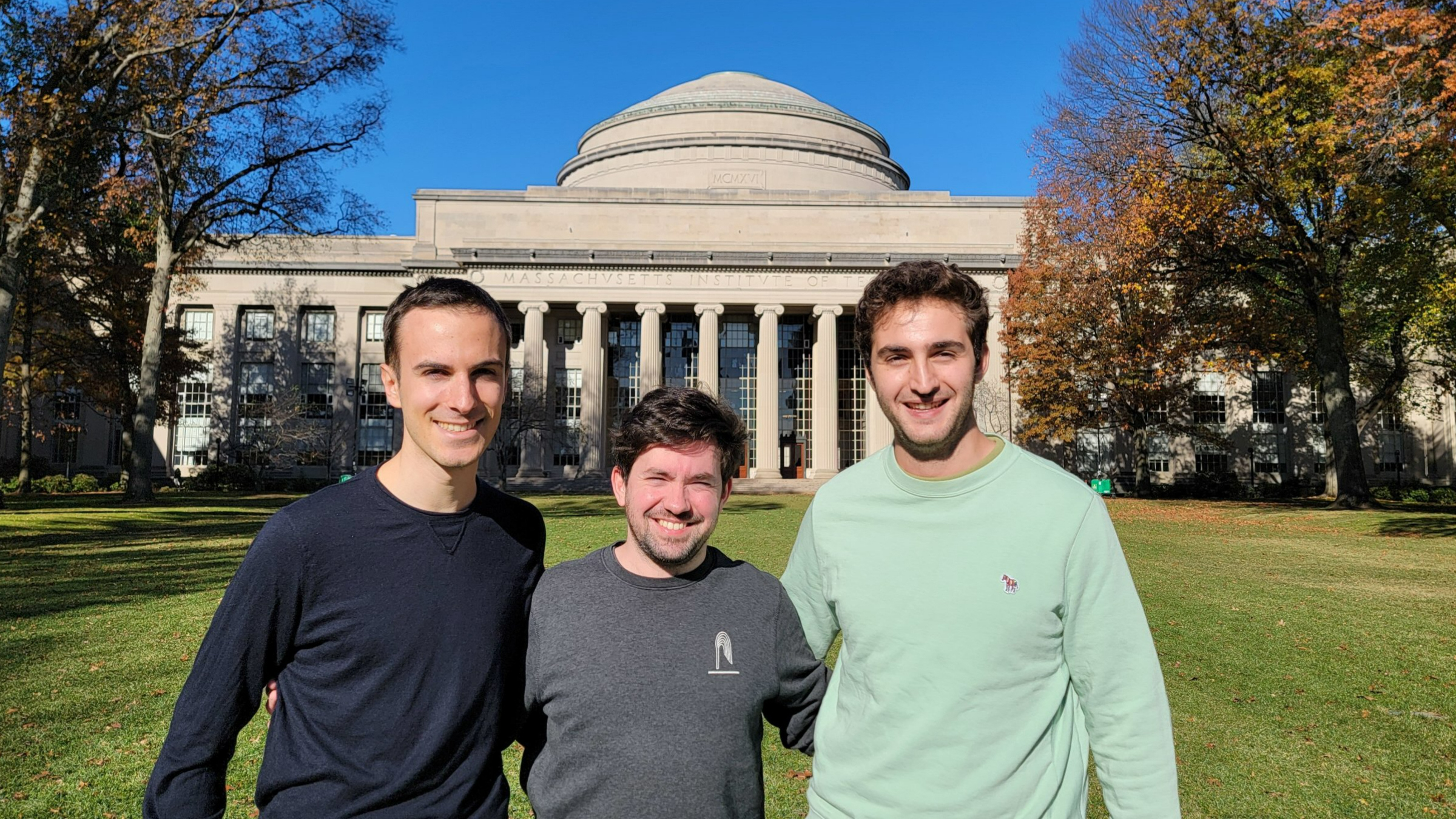
Boltz, a biotechnology startup focused on artificial intelligence, has successfully raised $28 million in seed funding to develop open AI models specifically for biological applications. This significant investment comes as the field of AI continues to transform the landscape of biological research, particularly following advancements made by the latest AlphaFold model, which has made notable progress in predicting molecular structures.
The funding round, which concluded in early 2024, attracted a diverse group of investors, including prominent venture capital firms and industry leaders in biotechnology. This financial boost is expected to accelerate Boltz’s efforts in harnessing AI to better understand complex biological systems, moving beyond traditional methods that often limit research to specific protein structures.
Advancements in AI Technology
The recent iteration of AlphaFold has garnered attention for its remarkable ability to predict the structures of nearly all biomolecules, not just proteins. This leap forward in AI technology presents new opportunities for researchers and companies in the biotechnology sector. By leveraging this technological progress, Boltz aims to create models that can facilitate breakthroughs in drug discovery, disease understanding, and therapeutic development.
According to Boltz’s CEO, Jane Doe, the company plans to utilize the newly acquired funding to enhance its computational capabilities and expand its research team. “Our goal is to democratize access to advanced AI models in biology, enabling researchers worldwide to accelerate their discoveries,” she stated.
The biotech industry is increasingly recognizing the value of AI in enhancing research capabilities. With the global market for AI in healthcare projected to grow significantly, Boltz’s initiative positions it well within a rapidly evolving landscape.
Implications for Biological Research
The implications of Boltz’s funding extend beyond its immediate goals. By developing open-source AI models, the company seeks to foster collaboration across the research community. This approach not only promotes transparency but also allows for greater innovation as researchers can build upon each other’s work.
The ability to accurately predict molecular structures can lead to more effective drug designs and personalized medicine strategies. As AI continues to integrate into biological research, the potential to address complex health challenges grows. Boltz’s commitment to creating accessible AI tools could play a vital role in shaping future discoveries.
As the biotechnology sector moves forward, Boltz’s efforts reflect a broader trend toward integrating artificial intelligence into scientific research. The company’s focus on open models signifies a commitment to collaboration and innovation that could benefit the entire industry. With the backing of substantial investment, Boltz is poised to make a significant impact in the realm of AI-driven biology.