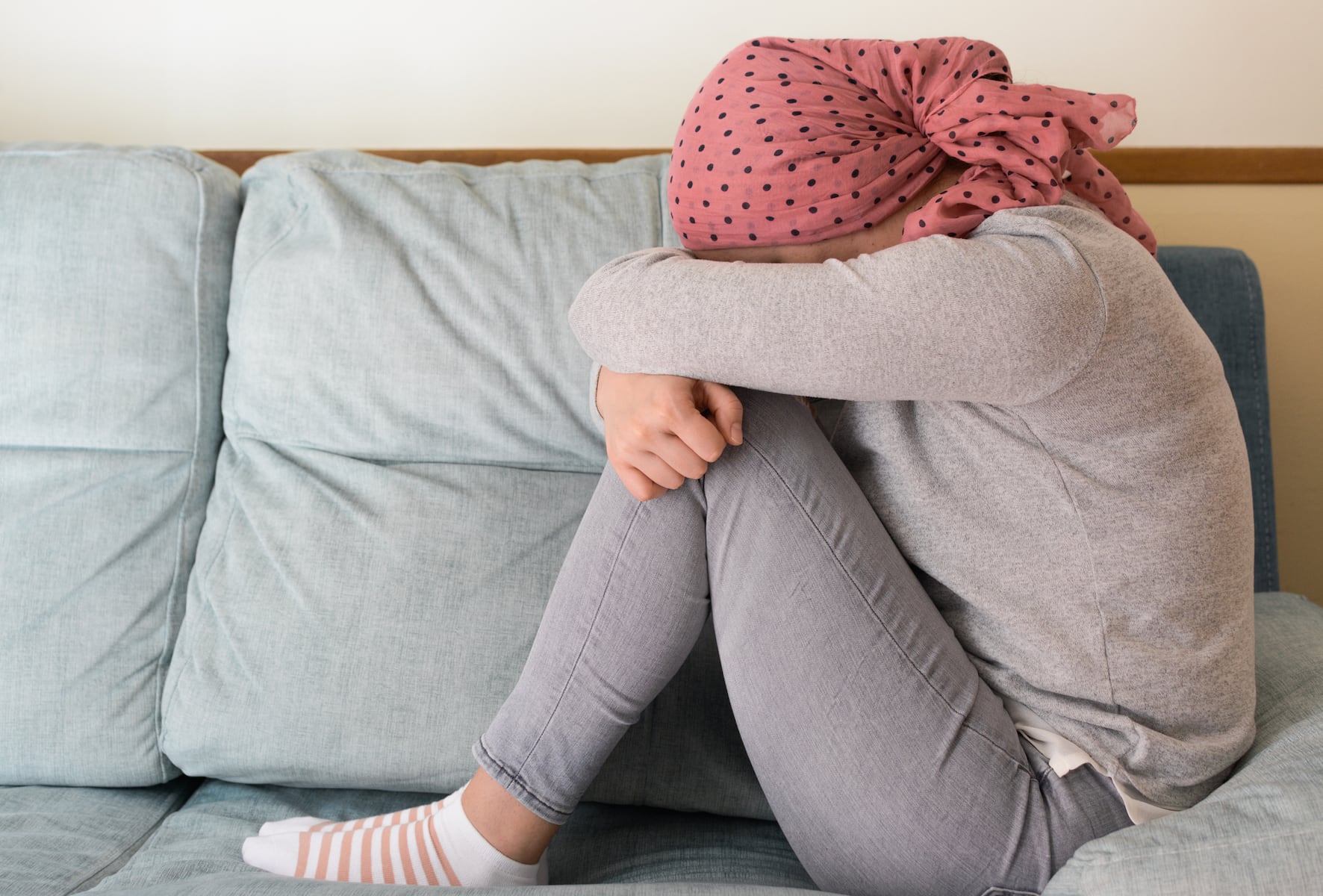
A woman diagnosed with breast cancer has opened up about her ongoing battle with depression, despite being labeled a “survivor.” The individual, who prefers to remain anonymous and is referred to as Sad “Survivor”, expressed her feelings of isolation and sadness in a letter to advice columnist Annie Lane. Her experience highlights the complexities of surviving cancer and the emotional challenges that can follow treatment.
Struggles Beyond Survival
After undergoing surgery and radiation treatments, Sad “Survivor” was told by her oncologists that she should now consider herself a survivor. However, the physical scars and the prospect of long-term medication— which she will take for the next ten years—have left her feeling anything but triumphant. With potential side effects and the risk of recurrence looming, she finds it difficult to embrace the survivor label.
In her letter, she candidly admits to experiencing depression, describing it as a reasonable response to the upheaval her life has undergone. Despite maintaining a daily routine, including showering and attending to personal hygiene, the emotional toll persists. “The worst thing to me about cancer is that I can’t talk to anyone because I’ve gone from an actual person with thoughts and interests to people only wanting to know about the cancer,” she explains.
She argues that society often stigmatizes expressions of sadness, particularly when linked to life-altering events such as a cancer diagnosis. People, she notes, seem more comfortable discussing cancer than engaging with the deeper emotional struggles that accompany it. This has led her to mask her true feelings with reassurances of being “fine” or “okay,” even to her doctors, who need a complete picture of her mental health.
The Importance of Open Dialogue
Annie Lane responded to her letter, emphasizing the importance of communicating feelings honestly, especially with healthcare providers. Lane noted that survivors are not expected to feel strong at all times; rather, the essence of survival lies in enduring hardship and continuing to move forward.
“You’re allowed to say, ‘I’m getting through it, but it’s still hard,’ and you deserve people in your corner who can hear that without panicking or minimizing it,” Lane wrote, encouraging Sad “Survivor” to embrace her vulnerability and seek the support she needs.
This exchange reflects a broader societal issue regarding mental health, particularly for cancer survivors. Many survivors experience feelings of depression and anxiety, yet stigma often prevents them from seeking help. The letter from Sad “Survivor” underscores the need for open conversations about the emotional aftermath of serious illnesses.
In a separate correspondence, another reader, referred to as Stunned Spouse, shared her unexpected marital troubles. After 15 years of marriage, her wife announced plans to file for divorce, leaving her confused and seeking answers. Stunned Spouse expressed a desire to understand the reasons behind this sudden decision and the bitterness he has perceived in their relationship.
Lane offered sympathy and insight, suggesting that the underlying issues may stem from long-standing strains rather than a single incident. She advised the reader to engage in an honest dialogue with his wife, potentially allowing for greater understanding and closure.
Both letters illustrate the complexities of personal relationships and the often hidden emotional struggles that accompany significant life changes. As Annie Lane highlighted, it is essential for individuals to feel empowered to express their feelings and seek support, particularly during challenging times.
For those navigating similar experiences, whether related to health or personal relationships, the message is clear: acknowledging one’s feelings is a vital step towards healing and understanding.