A couple with strong connections to the Chicago area, Don and Anne Edwards, has made a significant donation of $11 million to Lurie Children’s Hospital. Their contribution aims to enhance research, treatment, and diagnosis for children suffering from rare and genetic disorders.
This generous gift will primarily support the newly named Edwards Family Division of Genetics and Rare Diseases. Don Edwards, founder and executive chairman of Flexpoint Ford, a private equity investment firm, has expressed a personal commitment to the cause, stemming from his family’s experiences with genetic disorders. He currently serves on the board of trustees at Lurie and has held the position of chairman of the University of Illinois board of trustees. Anne Edwards is also actively involved as a member of Lurie’s Founders’ Board.
The couple, who have three adult children, emphasizes the transformative potential of genetic diagnosis and therapies. “We know how much genetic diagnosis and potential therapies can change the lives of both the child and the entire family,” Don Edwards stated. “We’d like to see a lot more treatment.”
Expanding Training and Resources
The donation will facilitate the expansion of training programs for doctors aspiring to become pediatric geneticists. Currently, there is a notable shortage of geneticists, with only about one for every million residents in Illinois, according to data from Lurie Children’s Hospital. The funds will also enable the hospital to conduct more genetic testing on-site, leading to quicker results for families. Additionally, the gift is expected to nearly triple the number of gene therapy and clinical research trials at Lurie over the next three to five years.
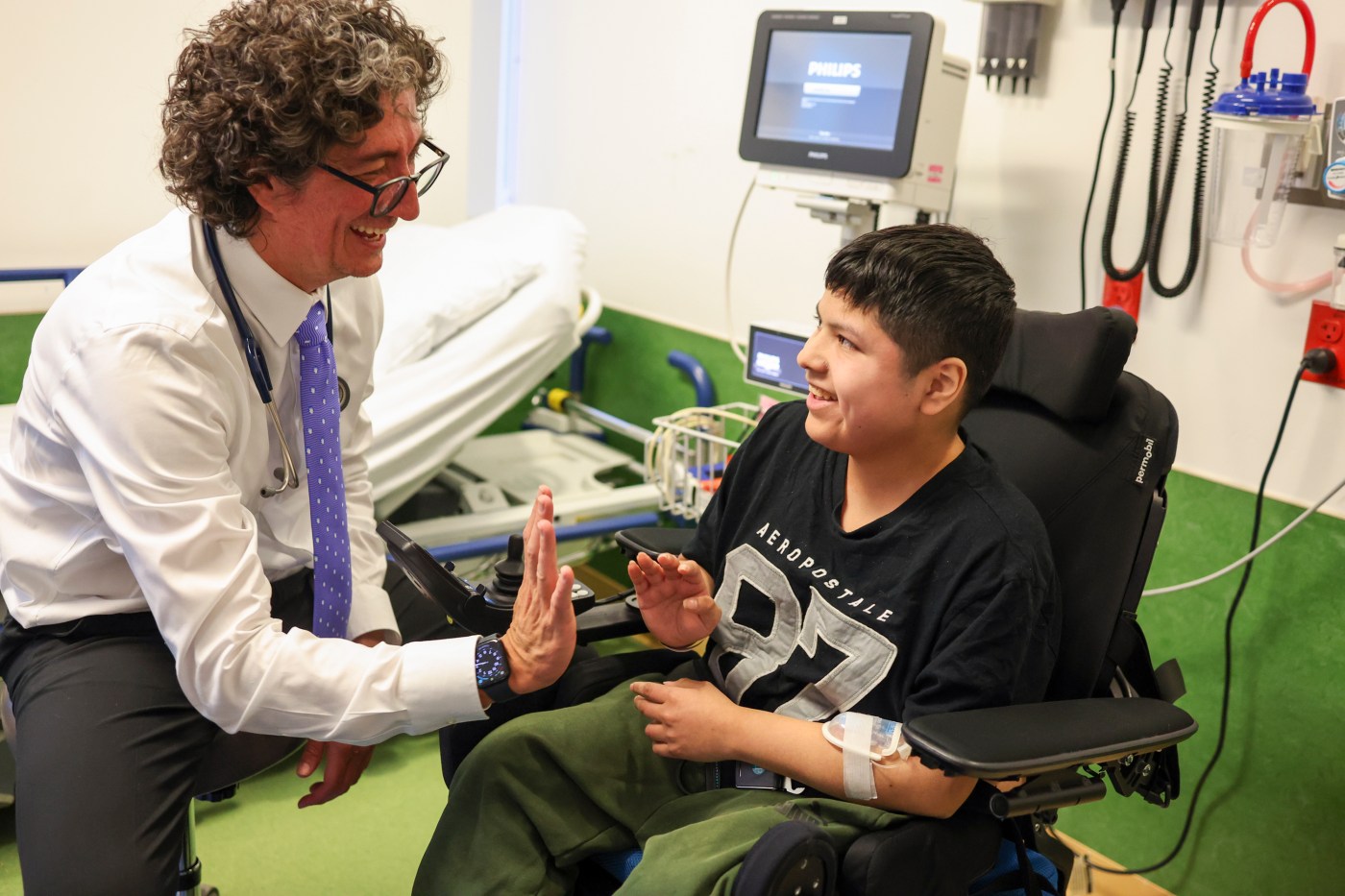
Dr. Carlos Prada, head of the Edwards Family Division, remarked, “That’s going to translate into more treatments and cures for patients with rare diseases.” Rare diseases currently affect approximately 25 million to 30 million Americans, as reported by the National Human Genome Research Institute. In Illinois alone, around 1.5 million individuals suffer from rare or unknown diseases, according to a 2023 report by the Illinois Rare Disease Commission.
Personal Stories Highlighting the Need
Dr. Prada noted the challenges faced by families in obtaining timely diagnoses for rare genetic conditions. It often takes years for children displaying early symptoms, such as developmental delays, to receive accurate diagnoses. With the new funding, there is hope for increased early testing, which can lead to more effective treatments or better management of conditions through supportive and preventive care.
One parent, Carrie Pinkham of Western Springs, expressed her optimism regarding the impact of this donation. Her family experienced a lengthy “diagnostic odyssey” while searching for answers about her son Jack’s condition. Born prematurely, Jack initially exhibited developmental delays attributed to his early birth. However, persistent speech and motor delays prompted genetic testing at age three, which revealed a rare genetic variance, though its implications remained unclear.
It was not until Jack reached the age of nine, aided by advancements in research, that he was diagnosed with Spinocerebellar Ataxia Recessive Type 15, a rare genetic neurological disorder that affects movement and speech. Pinkham described the relief of finally having a name for her son’s condition, ending the uncertainty that had plagued their family.
In 2024, Pinkham and her family established the Jack Bear Foundation to raise awareness of the disorder and fund research. She emphasized the significance of the Edwards’ donation, stating, “This gift, to me, means everything as a Lurie family. It means a lot that we might be able to change the trajectory of our son’s life and others that have this condition.”
The Edwards’ generous contribution is not just a financial investment; it represents a beacon of hope for families grappling with the challenges of rare and genetic disorders. As Lurie Children’s Hospital prepares to utilize these funds, the potential to enhance care and accelerate research is poised to make a lasting impact on the lives of many.