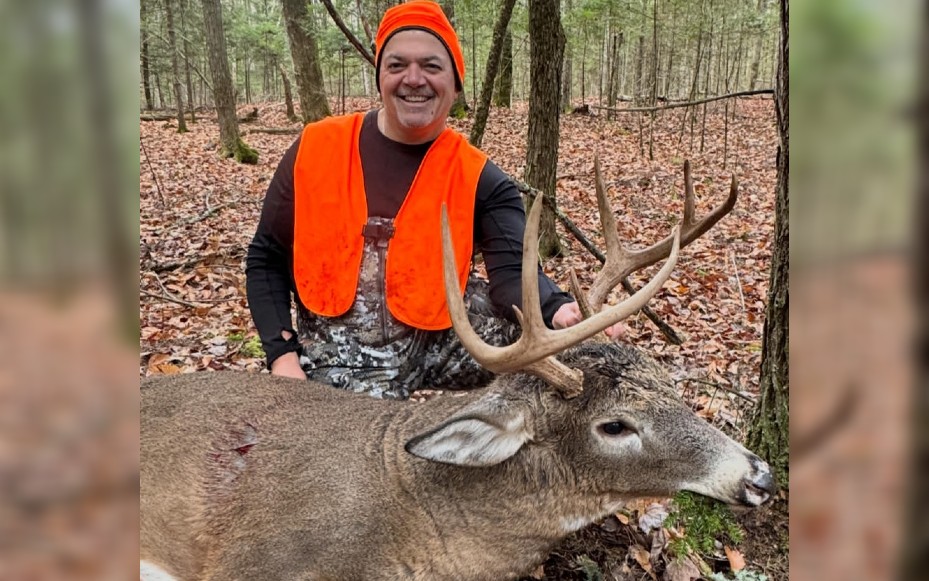
Making homemade venison jerky is a rewarding way to enjoy the health benefits of deer meat while controlling ingredients. Venison, known for being lower in fat and higher in protein than other common red meats, also offers a rich supply of B vitamins, vitamin E, folate, and essential amino acids. However, when prepared commercially, the incorporation of sugar and salt can diminish these health benefits.
Understanding the Nutritional Shift
When venison is transformed into jerky, the health profile changes significantly. Many commercially available marinades include high levels of sugar and salt, which are used to enhance flavor and preserve the meat against pathogens. These additives can lead to increased sodium levels, thereby counteracting the inherent benefits of the venison itself.
Al Raychard, a venison enthusiast, notes that to maintain healthier options, many choose to create their own marinades. By leveraging recipes found in wild game cookbooks and online resources, they can adjust ingredients to suit personal health needs. For instance, using low-sodium soy or Worcestershire sauce instead of regular varieties can reduce salt content by as much as 50%.
Preparation Techniques for Optimal Jerky
Creating jerky involves careful preparation, starting with the slicing of the venison. To achieve uniform strips, Raychard recommends partially freezing the meat for about 30 minutes. This technique makes cutting easier and ensures consistent thickness, which is crucial for even drying.
While some may invest in electric meat slicers, many opt to have their deer processor slice the meat at no additional cost during processing. With only minimal tools required—mixing bowls, storage bags, and paper towels—making jerky is accessible for most home cooks.
Once the venison is sliced, marination can begin. After mixing the marinade ingredients, placing the venison strips in a sealable plastic bag and letting them soak in the refrigerator for at least 12 hours enhances the flavor. The longer the meat marinates, the deeper the flavor penetrates.
Drying techniques are equally important. Initially, Raychard used an oven, but found inconsistent results. Since investing in a simple stackable dehydrator, he has achieved better textures without the overcooked issues that come from using an oven. Depending on the thickness of the slices, drying times can vary, typically lasting between 8 to 14 hours.
Choosing the right cuts of venison is essential for high-quality jerky. Lean cuts such as eye of round, top round, and bottom round are ideal, while avoiding fatty parts helps maintain flavor and freshness.
Once dehydrated, storing jerky properly is key to preserving its quality. Raychard prefers to vacuum seal his jerky in bags, which can keep it fresh for up to six months in a cool, dark place. Once opened, the jerky can last up to a month, although it is often consumed well before then.
This process not only allows for a healthier alternative to store-bought jerky, but also provides a satisfying way to enjoy the fruits of one’s hunting efforts. Making venison jerky at home can be a nutritious and enjoyable endeavor for those looking to embrace healthier eating habits while savoring the unique flavors of deer meat.