France’s Agriculture Minister, Marc Fesneau, addressed the nation on October 23, 2023, urging farmers to trust the government’s strategy of implementing mass cattle culls and vaccinations to combat an outbreak of infectious bovine tuberculosis. This response comes amid increasing unrest among farmers who are protesting what they consider excessive measures that threaten their livelihoods.
In a press conference, Fesneau emphasized the importance of these health measures, stating that they are essential for protecting the broader cattle population and ensuring food safety. “We must act decisively to contain this disease,” he remarked, underscoring the potential risks associated with the spread of bovine tuberculosis, which can have severe implications not only for animal health but also for public health and economic stability.
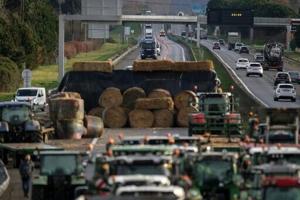
Farmers across France have reacted strongly against the proposed culls, with many launching protests that have gained considerable media attention. They argue that the culling of healthy cattle is an extreme response that undermines their efforts to maintain sustainable farming practices. In their view, these actions could lead to significant financial losses and a disruption of rural economies.
The government has proposed to cull approximately 60,000 cattle as part of its strategy, a figure that has heightened tensions within the agricultural community. Fesneau acknowledged the farmers’ concerns but reiterated that the culls are a necessary part of a comprehensive plan to eradicate the disease. “We are committed to providing support to affected farmers and ensuring that they can recover from this situation,” he added.
The plans are part of a broader initiative backed by the European Union aimed at controlling the spread of bovine tuberculosis across member states. The EU has emphasized that maintaining high standards of animal health is crucial for the safety of the food supply chain and the economic viability of the agricultural sector.
As protests continue, the government is navigating a challenging landscape, balancing the need for public health with the demands of the agricultural community. Farmers are calling for alternatives to culling, such as increased funding for vaccination programs and more robust support for disease management. They argue that these measures would be more effective in the long run and would preserve the integrity of their farms.
In response to the ongoing protests, Fesneau stated that the government is open to dialogue with farmers to explore ways to alleviate their concerns while still adhering to public health guidelines. “We want to work together to find solutions that protect both our farmers and the health of our livestock,” he said.
The situation remains fluid as discussions between the government and farming representatives continue. Farmers are preparing to escalate their protests if their demands are not addressed, which could lead to further disruptions in the agricultural sector.
As the government moves forward with its plans, it faces the complex task of ensuring both the health of cattle and the economic viability of farmers throughout France. The outcome of this conflict will likely have lasting implications for agricultural policy and public health strategies in the region.