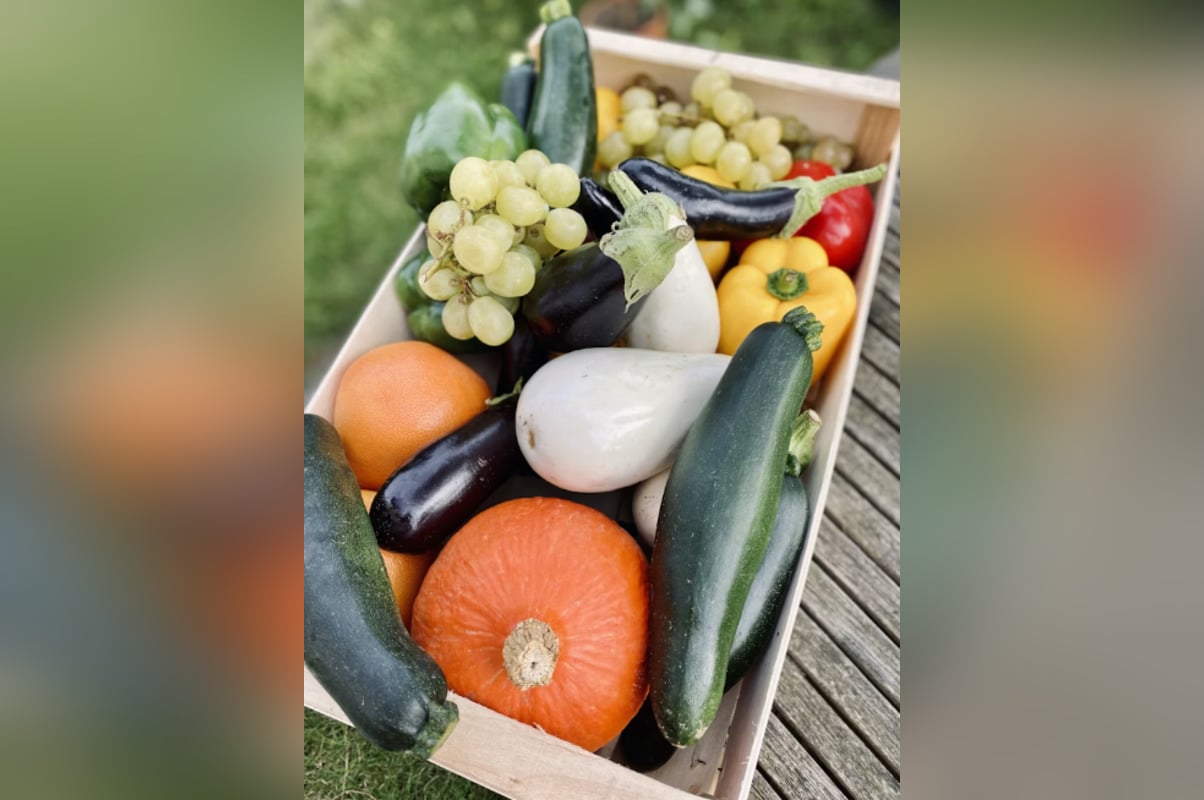
In a groundbreaking initiative in North Tulsa, FreshRx Oklahoma is reshaping diabetes care by providing patients with access to local farms instead of traditional pharmacies. Founded by Erin Martin, this nonprofit organization operates a yearlong produce-prescription program that delivers bi-weekly boxes of locally grown, regenerative produce alongside hands-on nutrition classes to low-income individuals diagnosed with type 2 diabetes.
The results from the pilot program are impressive. At the end of its first year, 30 of 40 participants reported an average drop in their A1C levels of approximately 2.2 percentage points. By September 2025, the broader initiative had enrolled 135 participants, according to data from the USDA National Institute of Food and Agriculture (NIFA). The program conducts quarterly assessments of A1C, blood pressure, and weight, enhancing the reliability of its data collection methods. This evidence is crucial in advocating for the concept of “food as medicine” to health plans and policymakers.
Beyond health improvements, the initiative provides significant economic benefits. Oklahoma Complete Health disclosed in a December 2025 report that every dollar invested in the FreshRx model yields approximately $1.70 in returns for the local economy. The program is linked to millions in anticipated savings for the healthcare system. As part of this effort, the Centene-owned Medicaid plan is enrolling eligible SoonerSelect members in a yearlong rollout that combines produce boxes with cooking classes and quarterly health check-ins. Health leaders emphasize that the program’s success will depend on demonstrating clear health outcomes that justify long-term funding.
How FreshRx Operates
FreshRx begins its process by screening low-income patients with uncontrolled type 2 diabetes through local clinics. Once identified, the organization manages the distribution of nutrient-rich produce boxes every two weeks. In addition to the food, participants receive cooking demonstrations and access to short nutrition videos. The nonprofit prioritizes sourcing its produce exclusively from small regenerative farms in Oklahoma and employs local residents for distribution and educational roles. Staff members also assist participants in navigating their benefits and arranging deliveries, ensuring that logistical challenges do not hinder access to healthy food.
Support from State Policy and Partnerships
The FreshRx model is receiving increasing support from state policy initiatives. The passage of Oklahoma’s Food Is Medicine Act (SB806) in 2025 directs the Oklahoma Health Care Authority to seek federal approval for expanding Medicaid nutrition support. This legislation explicitly prioritizes community-based organizations and local farmers. According to Erin Martin, this legislative backing has opened new avenues for the program. She recently briefed Robert F. Kennedy Jr., the Secretary of Health and Human Services, and Brooke Rollins, the Secretary of Agriculture, on how FreshRx connects regenerative agriculture with diabetes management.
Advocates argue that combining tangible data with policy support is essential for determining whether produce prescriptions can expand beyond niche markets.
For those interested in learning more about this approach, Martin is scheduled to speak at the Think Regeneration conference on Advancing Food Is Medicine, taking place in Edmond on October 20–21, 2026. This event aims to unite farmers, clinicians, and policymakers to foster local Food Is Medicine initiatives. Early-bird registration is available until July 31, 2026, and farmers and ranchers can attend at no cost, thanks to support from the Organic Crop Improvement Association (OCIA) and USDA.
Back in Tulsa, supporters believe that FreshRx’s combination of clinical outcomes and a community-based procurement strategy is laying the foundation for a sustainable business model that directs healthcare funds into healthy food options. “If we have people with the worst health outcomes, we need to give them the best food possible,” Martin stated, encapsulating the organization’s mission as it seeks to deepen partnerships with health plans. The focus now is on ensuring that early A1C improvements and projected savings translate into lasting financial support that benefits both patients and local producers.