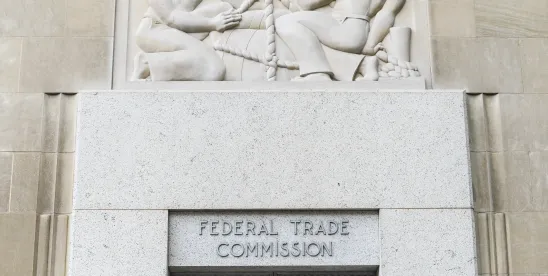
The Federal Trade Commission (FTC) has taken significant action to halt what it describes as a deceptive telemarketing operation involving health care plans. On January 23, 2026, a U.S. district court in Florida issued a temporary restraining order at the FTC’s request, stopping multiple companies and individuals allegedly responsible for causing tens of millions of dollars in consumer harm.
According to the FTC’s complaint, the principal entity, Top Healthcare Options Insurance Agency, Inc., along with eleven related defendants, has been running a telemarketing scheme that targets consumers seeking comprehensive health insurance. The FTC asserts that these defendants mislead potential buyers into thinking they are purchasing legitimate and comprehensive health plans, when in fact, the plans offered are limited in coverage and do not meet consumers’ actual health needs.
The commission highlights that these deceptive practices often occur through websites that appear to offer comprehensive health insurance plans. These sites promote various options, including “Affordable Care Act Plans” and “2024 Obama Care Plans.” However, the FTC claims these websites are primarily designed for lead generation, collecting personal information from consumers and selling it to the defendants or their vendors for telemarketing purposes.
Christopher Mufarrige, Director of the FTC’s Bureau of Consumer Protection, emphasized the importance of transparency in health care decision-making. “Health insurance is one of the most important and costly purchases consumers buy for themselves and their families,” he stated. He noted that in a time when affordability is crucial, ensuring consumers have accurate information is vital for making informed choices.
The FTC’s allegations outline that the telemarketing calls often divert consumers from legitimate comprehensive health insurance options. Instead, they push limited benefit plans and medical discount memberships that do not provide essential coverage. The complaint alleges that these representations include claims that the products are equivalent to comprehensive health insurance, offer substantial coverage for specific medical needs, and limit out-of-pocket costs through fixed copays or deductibles.
The FTC’s complaint asserts that the defendants violated the FTC’s Telemarketing Sales Rule and the FTC Act. As part of its legal action, the commission seeks refunds for affected consumers and additional remedies. The court’s temporary restraining order aims to prevent further alleged violations while the case proceeds.
This case underscores ongoing concerns regarding the integrity of health care marketing practices. The FTC’s efforts to protect consumers highlight the critical need for vigilance in the health insurance sector, particularly as individuals navigate their coverage options.