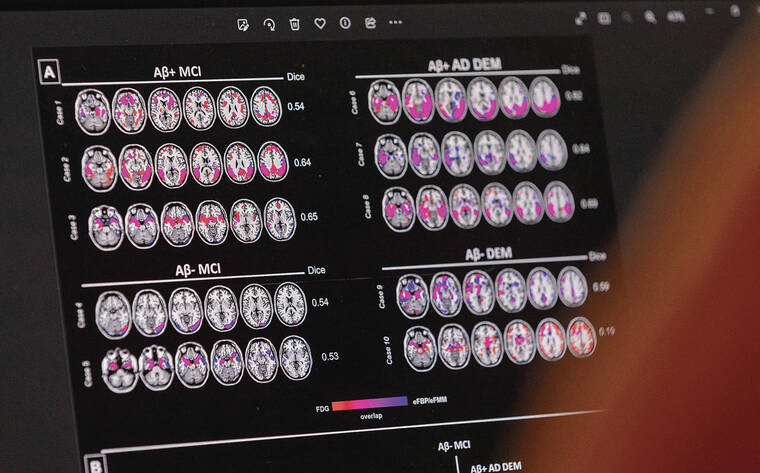
In a significant move to enhance Alzheimer’s care, Hawaii has enacted House Bill 700, also known as Act 286, which mandates cognitive testing for all residents aged 65 and over during their annual Medicare wellness visits. This legislation, passed in the final moments of the legislative session, marks a crucial shift towards early detection and diagnosis of Alzheimer’s disease, ensuring that preventive measures are not merely suggested but required by law.
Breakthroughs in Alzheimer’s Detection and Treatment
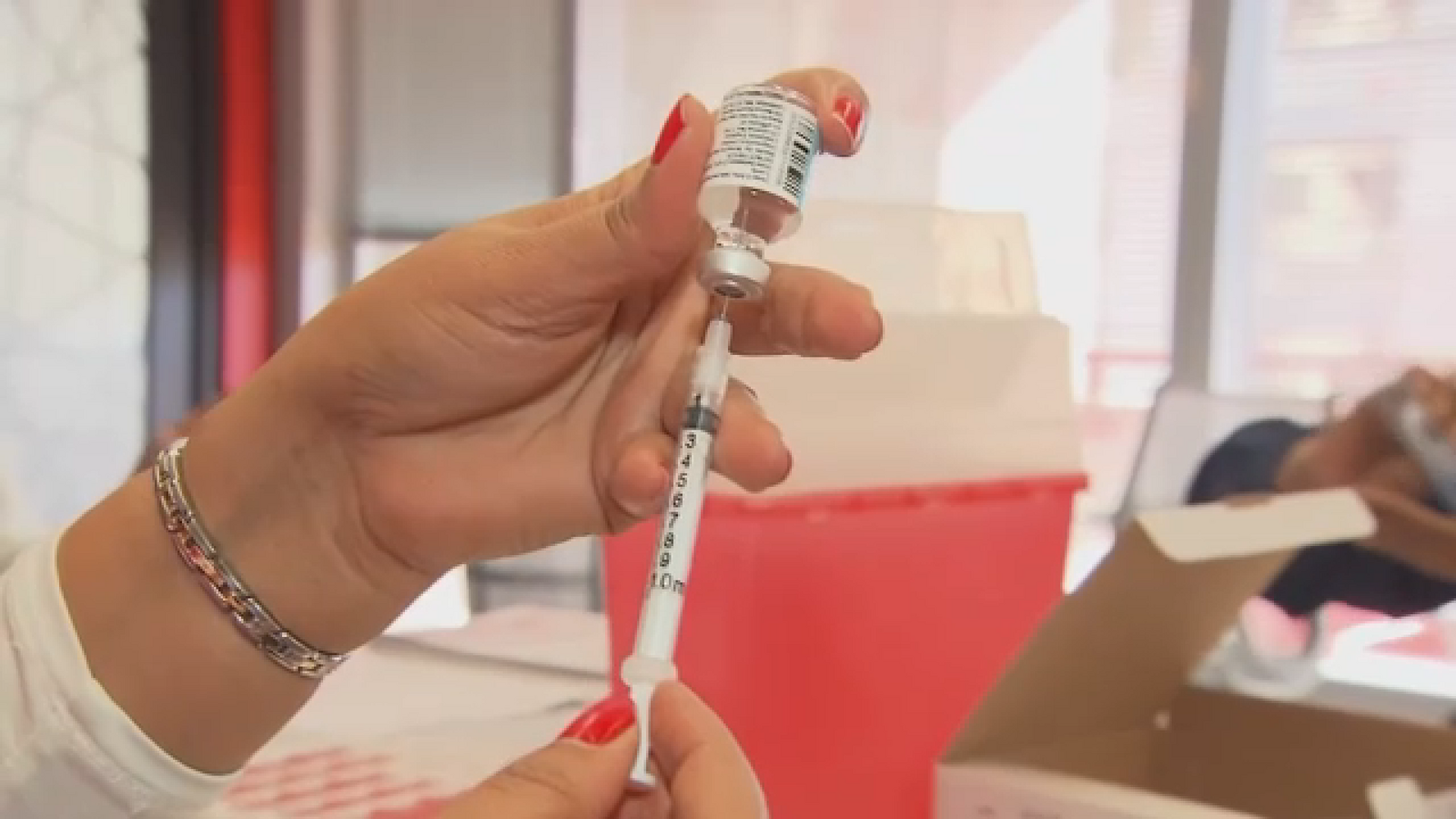
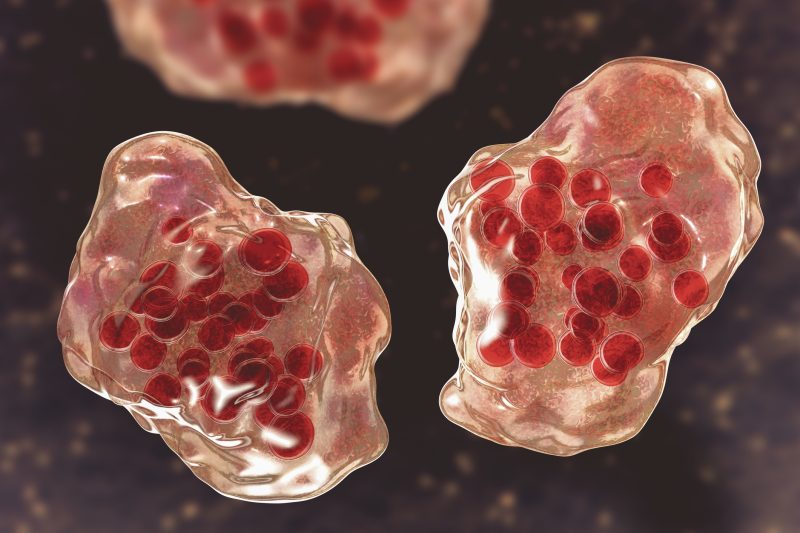
Alongside this legislative victory, two groundbreaking developments have emerged in the realm of Alzheimer’s care. The FDA recently approved a blood test that can detect amyloid plaques—indicators of Alzheimer’s—potentially years before symptoms manifest. This innovative testing method eliminates the need for PET scans and lengthy waiting periods, allowing for immediate insights through a simple blood sample taken in primary care settings.
Just days later, the introduction of an at-home version of Leqembi (lecanemab) further revolutionizes treatment options. Previously administered only through hospital infusions, this medication is now available as a subcutaneous auto-injector, enabling patients to receive care in their own homes. This development promises to ease the burden on families who previously faced exhausting trips to healthcare facilities for treatment.
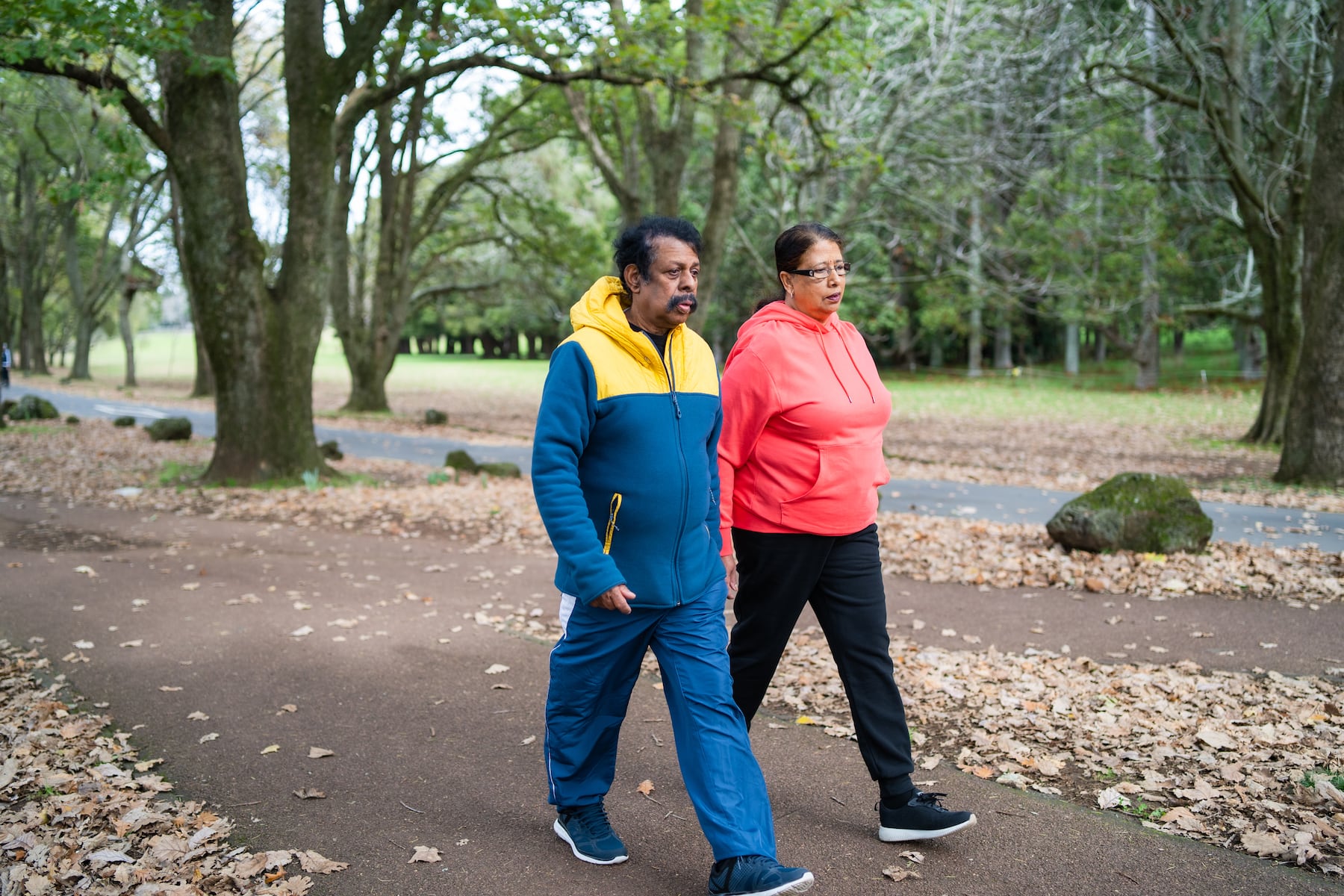
For families in Hawaii, these advances represent more than just medical progress; they are essential lifelines. With a senior population growth rate of 22%, significantly above the national average, the challenges posed by the geographical isolation of the islands become increasingly pressing. Caregivers in remote areas, such as Hilo or Lanai, should not have to travel to Honolulu for crucial treatment that could help preserve their loved ones’ memories and quality of life.
Ensuring Equal Access to Innovative Healthcare
Despite the promise of these new tools, there remain critical steps to ensure equitable access. If these advancements are available only to those who can afford them, the progress made will simply replace one form of inequality with another. Immediate action is necessary to guarantee that communities across Hawaii, from Kalihi to Kaunakakai, benefit from these innovations.
It is imperative that insurers, particularly Medicare, extend coverage to include the new blood tests, allowing those affected by Alzheimer’s to receive timely diagnoses and access to treatment. The strength of Hawaii has always been its sense of ohana (family), and this spirit must inform the framework of the health system moving forward.
Hawaii stands at a pivotal moment in its healthcare journey. The scientific groundwork is laid, the technology is available, and legislative support has been established. What remains is the collective commitment to harness these resources effectively.
To this end, U.S. Senator Brian Schatz is urged to support the bipartisan Alzheimer’s Screening and Prevention (ASAP) Act. This legislation aims to authorize the Secretary of Health and Human Services to provide Medicare coverage for routine blood-based dementia screening, a transformative measure that could facilitate earlier detection.
Community engagement is equally important. Residents are encouraged to discuss the new blood tests and cognitive screenings with their healthcare providers, and to advocate for legislative support. The future of Alzheimer’s care will not only be determined in laboratories or legislative halls; it will also unfold around the kitchen tables of Hawaii, where families can come together to confront this challenge.
By acting decisively and inclusively, Hawaii can set a powerful example for the rest of the nation—a model of how culture, compassion, and science can unite to protect the elderly population and combat despair. This vision includes a future where Alzheimer’s is detected early, treated at home, and supported by a comprehensive community network, ensuring that memory loss does not go unchallenged.
The opportunity is now to transform scientific breakthroughs into tangible hope, granting Hawaii’s elderly the time, dignity, and connection they deserve. If approached correctly, the world will observe how a small chain of islands chose to embrace what truly matters in the fight against Alzheimer’s.