As winter months bring shorter days and reduced sunlight, many individuals experience symptoms of Seasonal Affective Disorder (SAD). This condition affects mood and behavior, often leading to feelings of hopelessness and fatigue. Recent insights into light therapy suggest it may serve as a viable treatment option for those struggling with SAD.
Understanding Seasonal Affective Disorder
Seasonal Affective Disorder is a type of depression that typically occurs during the fall and winter months. According to health experts, the lack of natural sunlight during this time can significantly impact individuals’ emotional well-being. Symptoms can include fatigue, irritability, and a general sense of melancholy, often lifting with the arrival of spring.
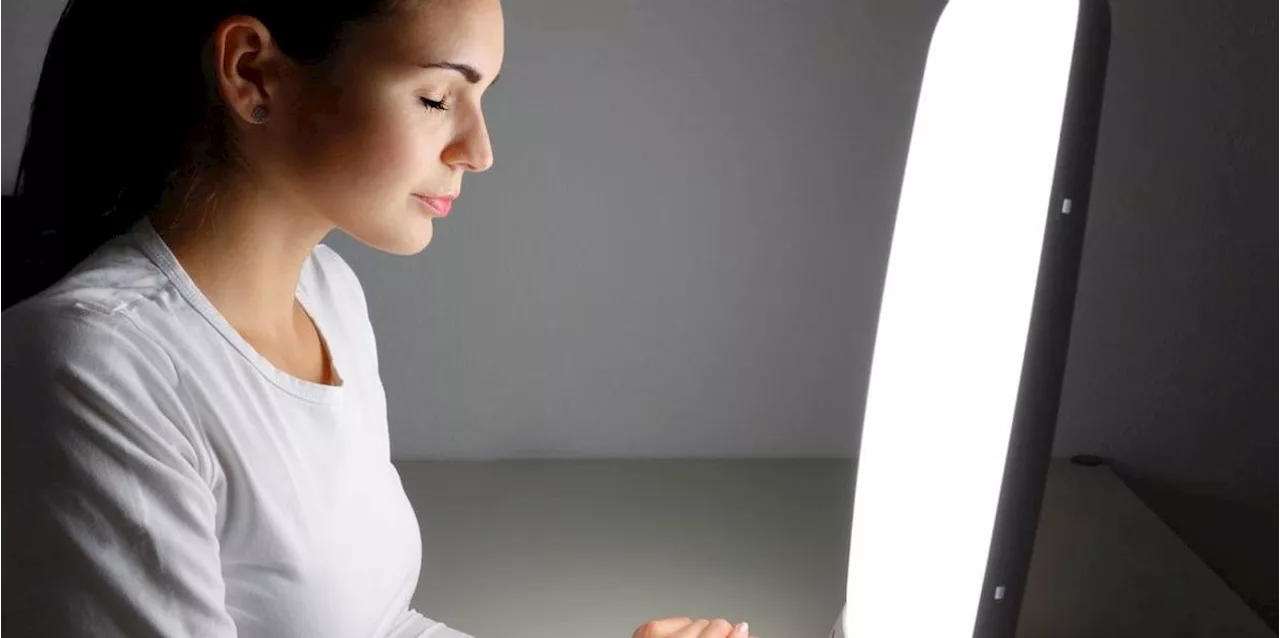
Research indicates that approximately 5% of adults in the United States experience SAD, with symptoms generally beginning in late fall. For those affected, light therapy offers a promising avenue for relief. This treatment involves sitting in front of a specially designed light box that emits a bright light, typically at an intensity of 10,000 lux, mimicking outdoor light on an overcast day.
The Science Behind Light Therapy
Experts like Dr. Mark Zeitzer, a professor in the Department of Psychiatry and Behavioral Sciences at Stanford University, highlight the effectiveness of light therapy in improving symptoms of SAD. Dr. Zeitzer explains that exposure to bright light can positively influence the body’s circadian system, which regulates crucial functions such as sleep and mood.
“In some individuals, there seems to be a direct impact of light on mood. While we don’t fully understand the mechanics, we know that being outdoors generally leads to higher levels of happiness compared to staying indoors,” Dr. Zeitzer noted.
Light therapy requires a commitment, with recommendations suggesting daily sessions of about 30 minutes. Users should avoid looking directly into the light source, as it can cause discomfort. Many individuals find it convenient to engage in other activities, such as reading or working, while receiving treatment.
Although light therapy is generally safe for most people, it is crucial for individuals with certain conditions—such as light sensitivity or pre-existing eye conditions—to consult their healthcare provider before starting treatment. “It’s important for individuals to seek medical advice to ensure that light therapy is an appropriate solution for their specific symptoms,” Dr. Zeitzer advised.
Some studies have shown that light therapy can also positively affect other types of depression. For example, research involving 22 women indicated that morning light therapy was associated with a significant reduction in symptoms of perinatal depression. While the therapy holds promise, it is essential to recognize that it may not cure underlying conditions.
For those considering light therapy, various options are available for purchase online and in retail stores. The affordability and accessibility of these devices make them an appealing choice for many seeking to alleviate their symptoms during the darker months of the year.
As winter approaches and the days grow shorter, understanding and addressing the impact of Seasonal Affective Disorder becomes increasingly important. For individuals feeling the weight of the season, light therapy may provide a beacon of hope and relief.
If you or someone you know is experiencing symptoms of depression, it is advisable to consult a healthcare professional. Taking proactive steps early can help ensure that individuals receive the support and treatment they need to navigate the challenges of seasonal changes.