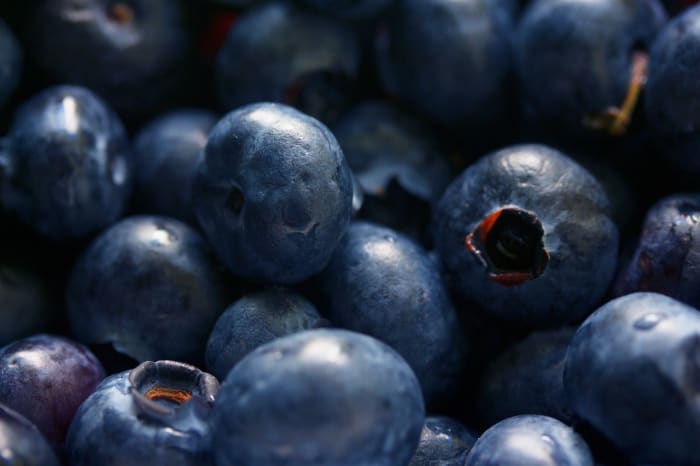
A significant recall has been initiated for nearly 60,000 pounds of frozen blueberries due to potential contamination with listeria monocytogenes, a bacterium that poses serious health risks. The recall, classified as Class I by the U.S. Food & Drug Administration (FDA), was first announced on February 12, 2026, by the Oregon Potato Company LLC, the parent company of Willamette Valley Fruit Company.
On February 24, 2026, the FDA upgraded the recall’s severity, indicating a “reasonable probability that the use of, or exposure to, a violative product will cause serious adverse health consequences or death.” This classification underscores the serious nature of the risk involved with consuming these products.
The frozen blueberries were packaged in polyethylene bags, either in 30-pound corrugated cases or 1,400-pound totes. The lot codes for the affected products include 2055 B2, 2065 B1, and 2065 B3 for the smaller cases, all of which have expiration dates of July 23, 2027 and July 24, 2027. The larger totes bear lot codes 3305 A1 and 3305 B1, set to expire on November 25, 2027.
These blueberries were distributed across several states, including Michigan, Oregon, Washington, Wisconsin, and in Canada, but they were not sold directly to consumers in retail outlets. The FDA has yet to provide specific details regarding the distribution points or stores involved in this recall.
While the recall is still active, the FDA has not yet issued further guidance for consumers who may have purchased the affected blueberries. The agency’s silence has raised questions among public health advocates regarding the urgency of consumer awareness in such cases.
Listeria monocytogenes can be found in various environments, including soil, water, and decaying vegetation. It poses a particularly high risk in food production settings where sanitation practices may be inadequate. The bacterium is capable of surviving, and even thriving, at refrigeration temperatures, making it a significant concern for food safety.
Individuals who consume contaminated food may experience listeriosis, a serious foodborne illness. Symptoms of listeriosis can range from mild to severe. Less severe, non-invasive symptoms may include:
– Fever
– Muscle aches
– Nausea
– Vomiting
– Diarrhea, which often lasts for 1 to 3 days
In contrast, the more severe, invasive form of the disease can present symptoms such as:
– Headache
– Stiff neck
– Confusion
– Loss of balance
– Convulsions
This invasive form can be particularly dangerous, especially for vulnerable populations, including newborns, elderly adults, and individuals with compromised immune systems.
As the situation develops, consumers who might have purchased these blueberries are advised to remain vigilant and consult the FDA for any updates regarding this recall.