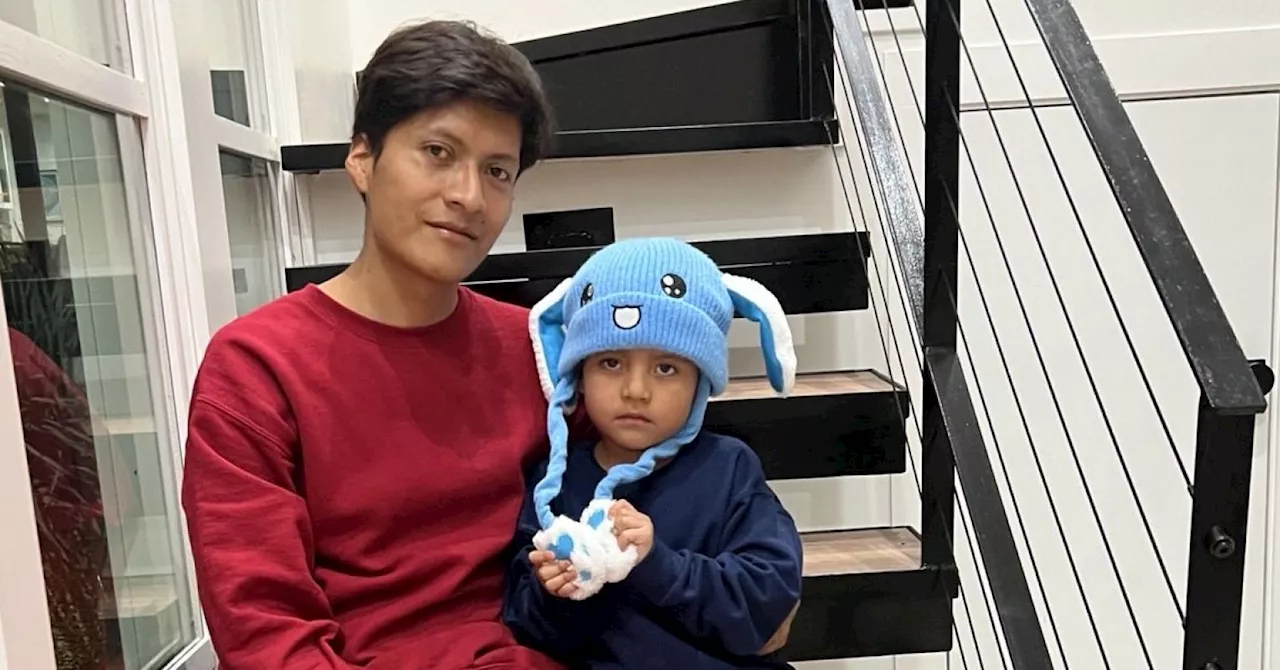
The recent detention of five-year-old Liam Conejo Ramos has ignited a critical discussion regarding child welfare practices in the United States. On January 20, 2026, Liam and his father were apprehended by Immigration and Customs Enforcement (ICE) in their Minneapolis suburb. They were subsequently transferred to a detention facility in Texas, despite claims from their attorney that they entered the United States legally, seeking asylum. This incident highlights the severe implications of family separation on children’s mental health, a concern increasingly voiced by mental health professionals.
Family separation, even when framed as a protective measure, has devastating effects on a child’s psychological well-being. Research indicates that such separations can lead to conditions like post-traumatic stress disorder (PTSD), anxiety, and depression. Moreover, the impact extends to reduced life expectancy among detained children. Various systems, including child welfare, juvenile justice, and immigration enforcement, perpetuate family separations under the guise of safety, leading to harmful outcomes for vulnerable populations.
Psychological Consequences of Family Separation
The trauma of seeing peers taken away can devastate communities, instilling fear and anxiety in families. Concerns about deportation can deter families from seeking necessary healthcare, further exacerbating health disparities. One example is a child whose classmates threatened to report her parents to immigration authorities; the distress she faced ultimately contributed to her tragic passing. This illustrates how fear regarding immigration status can permeate children’s lives, affecting their overall health and educational experiences.
The mental health field is at a crossroads. A child psychiatrist focused on health equity asserts that family separation is systemic and predominantly impacts Black and Brown communities. Historical practices of separating families, such as those seen in the transatlantic slave trade and the forced removal of Indigenous children, resonate in today’s child welfare system. The justification for these separations often stems from labeling children as deficient or deviant, rather than addressing the structural issues that contribute to their circumstances.
Mental health providers must confront their roles in perpetuating these harmful practices. Mandated reporting can inadvertently funnel non-abusive families into the welfare system, while certain psychiatric diagnoses may unjustly criminalize children. This cycle of detention, often framed as care, neglects the root causes of distress and further compounds the harm experienced by the children it aims to help.
Reevaluating Mental Health Practices
Mental health providers may operate under the belief they are assisting those in need. Yet, the reality is that they risk legitimizing the notion that healing is achievable within detention settings, contradicting established knowledge about trauma and safety. For instance, prescribing sleep aids to children suffering from separation anxiety can obscure the need to question the very existence of detention itself.
Instead of viewing detention as a site of care, providers should advocate for alternatives that prioritize family unity. This shift involves redirecting funding away from detention facilities towards community support systems. For example, California’s Differential Response and New York’s Family Assessment Response initiatives emphasize voluntary support over punitive investigations, recognizing the importance of maintaining family integrity.
The mental health rights and recovery movements have already begun to forge community-based alternatives that prioritize relational support over confinement. As evidence mounts that juvenile detention is a policy choice rather than an unavoidable reality, states are increasingly closing detention facilities and expanding diversion programs, illustrating a growing recognition of the need for reform.
As children like Liam Conejo Ramos await release from detention, their suffering serves as a poignant reminder of the broader psychological harm caused by family separation. Thousands of other children currently confined in ICE facilities, group homes, or juvenile halls face similar circumstances. Mental health providers have a professional and ethical obligation to confront their complicity in these systems. By prioritizing initiatives that keep families together, they can play a crucial role in promoting mental wellness and healing.
The call for change is clear: healing cannot occur in cages. It is time for mental health professionals to redirect their efforts towards community support and advocacy, ensuring that the wellbeing of children and their families remains the foremost priority.