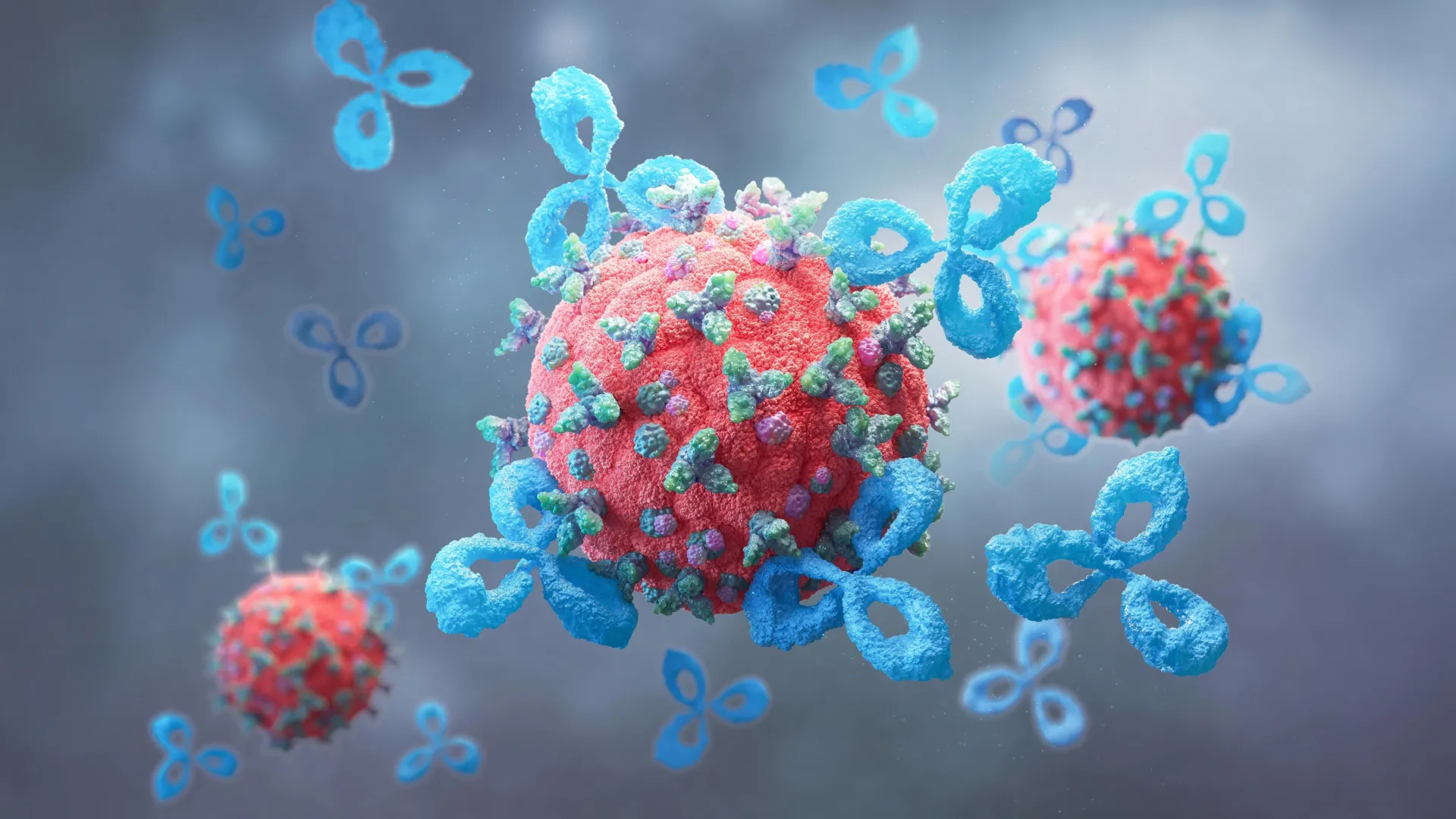
A collaborative team of scientists from the Massachusetts Institute of Technology (MIT) and Stanford University has developed a pioneering method to enhance the immune system’s ability to identify and eliminate cancer cells. This innovative approach targets special sugar molecules on the surface of tumors that suppress immune activity, potentially transforming cancer immunotherapy for numerous patients.
The researchers focus on disrupting a biological “off switch” that cancer cells utilize to evade immune detection. These sugar molecules, known as glycans, play a crucial role in dampening immune responses. Early experiments demonstrate that this technique can significantly boost immune activity, outperforming existing antibody therapies.
Unraveling the Immune Response
The foundation of this research lies in understanding how cancer cells manipulate the immune system. Tumors often activate a mechanism that inhibits immune cells, primarily through interactions between proteins known as PD-1 and PD-L1. Current immunotherapy treatments, classified as checkpoint inhibitors, aim to block this interaction, allowing immune cells to target and destroy cancer cells. While these therapies have proven effective for some patients, many do not experience significant benefits, emphasizing the need for alternative strategies.
One promising avenue involves studying how tumor glycans interact with immune cell receptors. Specifically, a sugar called sialic acid appears on many cancer cells but is typically absent on healthy cells. When sialic acids bind to receptors known as Siglecs on immune cells, they trigger an immune-suppressing effect, effectively putting the immune response on hold.
Jessica Stark, the Underwood-Prescott Career Development Professor at MIT and the study’s lead author, explained, “When Siglecs on immune cells bind to sialic acids on cancer cells, it puts the brakes on the immune response. It prevents that immune cell from becoming activated to attack and destroy the cancer cell.”
Innovative Therapeutic Approach
To address this challenge, the research team has engineered multifunctional molecules called AbLecs, which combine a lectin—a type of protein that binds to specific sugars—with an antibody designed to target tumors. The antibody directs the lectin to cancer cells, where it can block sialic acid from interacting with Siglec receptors. This action effectively lifts the immune suppression, enabling immune cells, including macrophages and natural killer (NK) cells, to attack the tumor.
“By linking the lectin domain to a high-affinity antibody, we can ensure it binds effectively to the cancer cell surface, blocking sialic acids and empowering the immune response,” Stark noted.
In laboratory trials, the researchers used trastuzumab, an antibody approved for treating breast, stomach, and colorectal cancers, to create an AbLec. They replaced one arm of the antibody with either Siglec-7 or Siglec-9, leading to notable changes in immune cell behavior, resulting in increased cancer cell destruction.
The researchers also conducted tests on mice engineered to express human Siglec receptors. Following treatment with the AbLec, the mice exhibited a reduction in lung metastases compared to those treated with trastuzumab alone. This approach proved flexible, allowing the team to substitute different antibodies and lectins to target various cancer types.
Stark expressed enthusiasm about the modular design of AbLecs, stating, “You can imagine swapping out different decoy receptor domains to target different members of the lectin receptor family. This is important because different cancer types express different antigens.”
Future Directions and Clinical Trials
Following the promising results, Stark, Bertozzi, and their colleagues have founded Valora Therapeutics to advance their lead AbLec candidates. They aim to initiate clinical trials within the next two to three years, moving closer to making this innovative treatment available to patients.
Funding for this significant research has been supported by various prestigious organizations, including the Burroughs Wellcome Fund, the National Cancer Institute, and the American Cancer Society.
The findings of this study were published in Nature Biotechnology, representing a significant advancement in the ongoing battle against cancer. As researchers continue to explore the complex interactions between tumors and the immune system, innovations like AbLecs may pave the way for more effective and widely applicable cancer therapies.