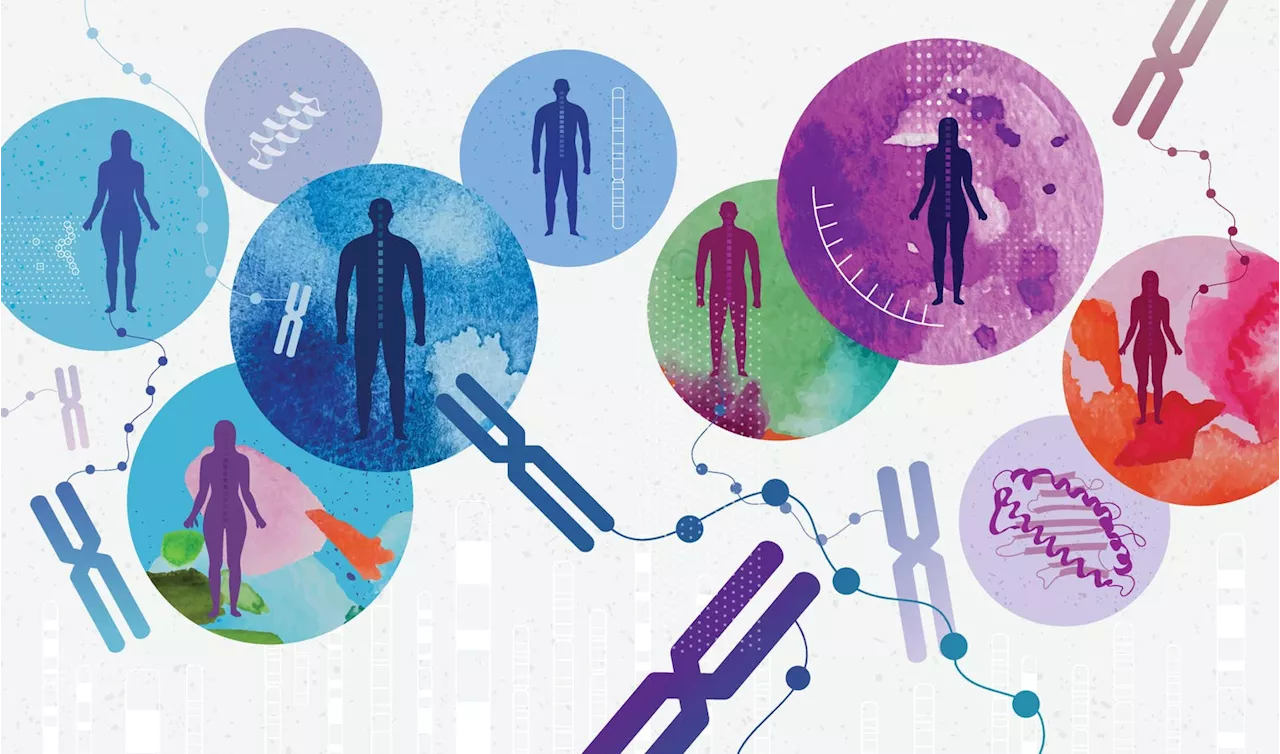
A recent study has revealed that obesity is not a singular disease but rather a complex interplay of distinct biological factors. Researchers have identified various obesity phenotypes that explain the significant differences in weight gain and treatment responses among individuals. The findings emphasize that these variations are primarily driven by biological mechanisms rather than individual willpower.
Understanding obesity as a collection of phenotypes rather than a single entity provides clarity to clinicians and patients alike. Some individuals find it relatively easy to lose weight, only to regain it quickly, while others struggle to shed any pounds at all. The new research indicates that these disparities are influenced by underlying biological patterns that dictate weight regulation, known as obesity phenotypes.
Defining Obesity Phenotypes
A phenotype is defined as a biological profile influenced by a range of factors, including genetics, physiology, immune signaling, and the gut-brain axis. Each obesity phenotype is built upon a genetic foundation, with genes interacting with hormones, neural circuits, and environmental influences.
For example, certain rare genetic disorders can severely impact appetite regulation, making it difficult for affected individuals to sense hunger or fullness. These conditions, although uncommon, highlight how biological factors can overwhelm behavioral strategies aimed at weight loss. By contrast, most cases of obesity stem from a combination of multiple genetic factors, where hundreds of genetic loci affect body weight, appetite, and metabolism.
Large-scale genome-wide association studies have linked obesity risk to genes involved in critical pathways, such as hypothalamic signaling and gut-brain communication. This research underscores the relationship between genetics and the gut microbiome, revealing how these elements work together to influence weight regulation.
Broader Implications of Obesity Phenotypes
Obesity phenotypes can be categorized in various ways, including functional descriptions based on appetite and energy expenditure or by their association with specific metabolic diseases. These classifications are not mutually exclusive; rather, they offer complementary insights into the biological underpinnings of obesity.
For many individuals, the driving force behind obesity is not merely behavior related to appetite but rather a broader disruption in metabolic, immune, and signaling pathways. Inflammation within adipose tissue, for example, can significantly affect insulin signaling and weight regulation. This inflammatory phenotype can explain why certain individuals develop metabolic complications even with modest weight gain, while others maintain metabolic health at higher weights.
Additionally, many individuals experience obesity in conjunction with metabolic syndrome or conditions like type 2 diabetes and nonalcoholic fatty liver disease. These disease-associated phenotypes carry increased cardiometabolic risks and often require tailored treatment approaches.
Researchers have begun translating these biological insights into functional phenotypes that can guide clinical practices. For instance, specific phenotypes highlight different points where the weight-regulation system may fail. Some individuals may experience disrupted satiety signaling, resulting in larger meal portions, while others may have rapid gastric emptying, leading to frequent feelings of hunger.
Understanding these various functional phenotypes allows for more personalized treatment strategies. Individuals whose hunger signaling is primarily disrupted may respond well to GLP-1-based therapies, while others might benefit more from interventions targeting gastric signaling or metabolic function.
In conclusion, the recognition of obesity as a collection of distinct biological phenotypes shifts the focus from self-blame to understanding the underlying biological mechanisms. This shift is essential for developing effective, personalized treatment plans that can improve outcomes for those struggling with obesity. As research continues to evolve, future discussions will focus on translating these insights into actionable treatment strategies, ensuring that obesity care is no longer one-size-fits-all.