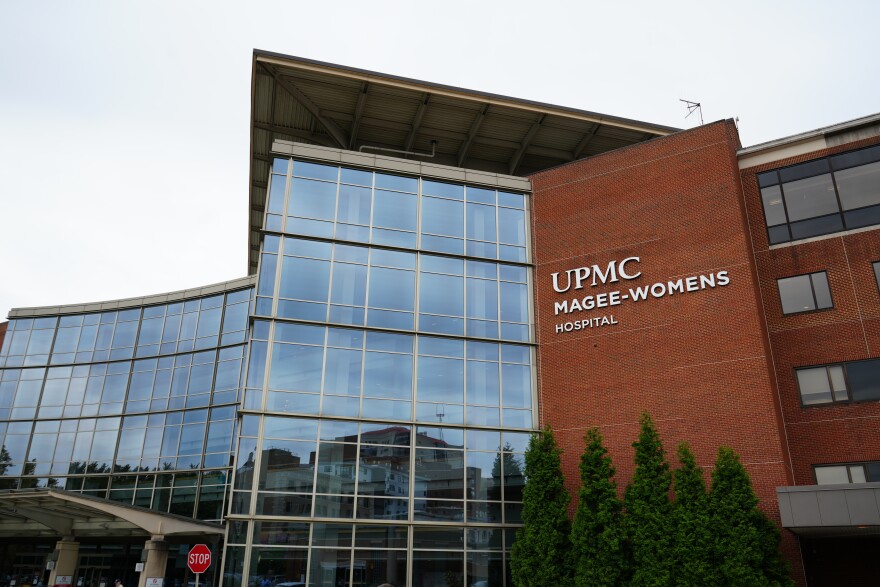
Nurses at Magee-Womens Hospital in Oakland are advocating for the adoption of “evidence-based national staffing standards” during a meeting with UPMC leaders set for Tuesday. This initiative aims to improve nurse-to-patient ratios in a facility that serves as Pennsylvania’s largest non-government employer.
Mariah Park, a registered nurse in the labor and delivery department at Magee for nearly four years, emphasized the need for nurses to devote more time to their patients. “In Labor and Delivery, we’re helping patients through one of the most monumental moments they ever experience, bringing new life into the world,” Park said in a news release. She noted that even uncomplicated births can be daunting for mothers, who often seek personal, one-on-one attention to feel supported and informed.
Despite the significance of patient care, Park stated that Magee does not adhere to national staffing standards in her department. She pointed out UPMC’s reported profits of $643 million in 2025, urging the $30 billion health care system to implement staffing ratios recommended by professional organizations such as the Association of Women’s Health, Obstetric and Neonatal Nurses.
In addition to labor and delivery, nurses at Magee plan to propose staffing standards for multiple departments, including the emergency department, adult intensive care unit, medical-surgical unit, oncology unit, lactation consultants, and outpatient clinics. Park referenced the approach taken by Allegheny Health Network’s West Penn Hospital, where nurse contracts incorporate national standards similar to what Magee nurses are advocating for.
UPMC, however, has expressed resistance to implementing fixed staffing ratios, which they describe as a “one-size-fits-all” approach. Paul Wood, UPMC’s vice president and chief communications officer, stated, “At UPMC Magee, we share our nurses’ goal of providing safe staffing and excellent patient care in every unit and every shift.” He elaborated that research indicates staffing complexities cannot be adequately addressed through rigid ratios, which may not account for factors like patient acuity and team structure. Wood cautioned that such inflexible standards could lead to unintended consequences, such as reduced flexibility and limited patient access to care.
This negotiation follows a significant development in August 2022, when Magee-Womens Hospital nurses voted to unionize with SEIU Healthcare Pennsylvania. This move aligns with a growing trend of medical professionals across the country organizing to address concerns regarding burnout, working conditions, and their role in patient care. Nurses have been engaged in negotiations for their first contract over the past several months.
“If we can elevate staffing standards, it’s only going to help to continue to elevate the care that Magee already provides,” Park said. She expressed a commitment not only to improving conditions for nurses but also to enhancing the quality of care for the community they serve daily.