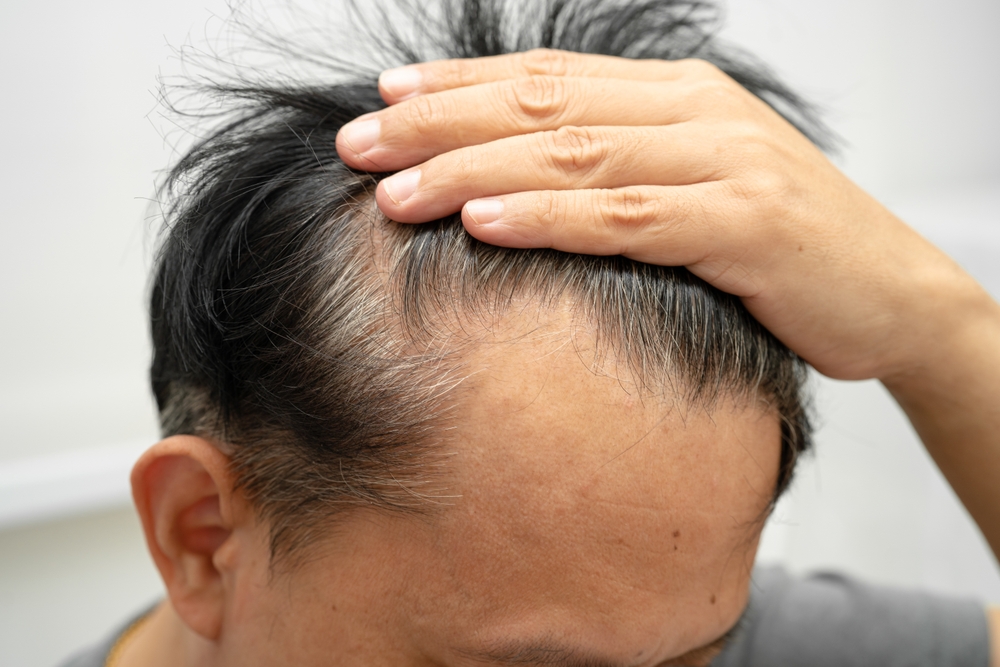
Nvidia CEO Jensen Huang recently made headlines by choosing to embrace his gray hair, opting not to dye it in a bid to present a “natural look appropriate for his age.” Rather than appearing older, Huang’s gray hair has become a personal hallmark, sparking conversations about the implications of early-onset grayness and its potential health warnings.
While Huang’s decision showcases a shift in perspective on aging, it also raises questions about the underlying health factors associated with changes in hair color. According to principles of Traditional Chinese Medicine (TCM), gray hair may be indicative of deeper health issues, primarily linked to deficiencies in the body.
Understanding the Causes of Hair Damage
TCM identifies three major causes of hair damage that can lead to premature graying: kidney deficiency, blood deficiency, and insufficient nourishment. These concepts differ significantly from Western medical interpretations, focusing instead on energy systems within the body.
The first cause, kidney deficiency, is central to TCM philosophy. TCM texts suggest that “the luster of hair is the manifestation of the kidneys,” implying that healthy hair reflects robust kidney function. In this context, the kidneys are seen as pivotal to a person’s vitality and overall health. A deficiency in kidney qi, or vital energy, results in hair that is thin, soft, dry, and prone to brittleness. In addition to gray hair, individuals may experience symptoms such as lower back pain, memory decline, and frequent nighttime urination, all potential indicators of kidney issues.
The second cause of premature graying is blood deficiency. TCM posits that “hair is the excess of blood,” highlighting the crucial role of a healthy blood supply in sustaining vibrant hair growth. Insufficient blood flow to the hair follicles can lead to loss of color and ultimately hair loss. This analogy likens the hair follicles to plants needing adequate nutrients; just as dry soil stifles growth, a lack of blood supply hampers hair vitality.
Dietary Approaches to Nourish Hair
To counteract these deficiencies, TCM suggests dietary therapies alongside lifestyle changes. Emphasizing a balanced diet rich in nutrients can support kidney health and improve blood circulation. Foods that nourish the kidneys, such as black beans, walnuts, and goji berries, are often recommended. Additionally, incorporating leafy greens and high-iron foods can bolster blood health, promoting better hair quality and potentially restoring its natural color.
While Huang’s personal choice to display his gray hair reflects a broader acceptance of aging, it also serves as a reminder of the intricate connections between health and appearance. Individuals noticing changes in their hair color or texture may benefit from consulting healthcare professionals to explore underlying health conditions and consider holistic dietary approaches.
Ultimately, as more individuals like Jensen Huang choose to embrace their natural aging, the conversation shifts toward understanding the health implications behind such changes. By addressing deficiencies and adopting nourishing diets, one can not only enhance their hair health but also contribute to overall well-being.