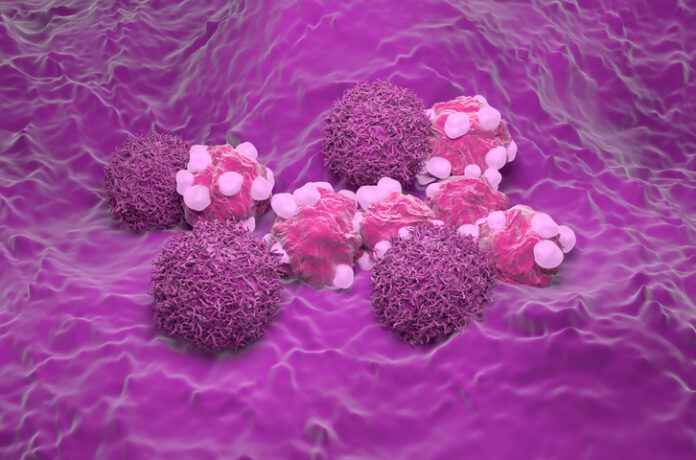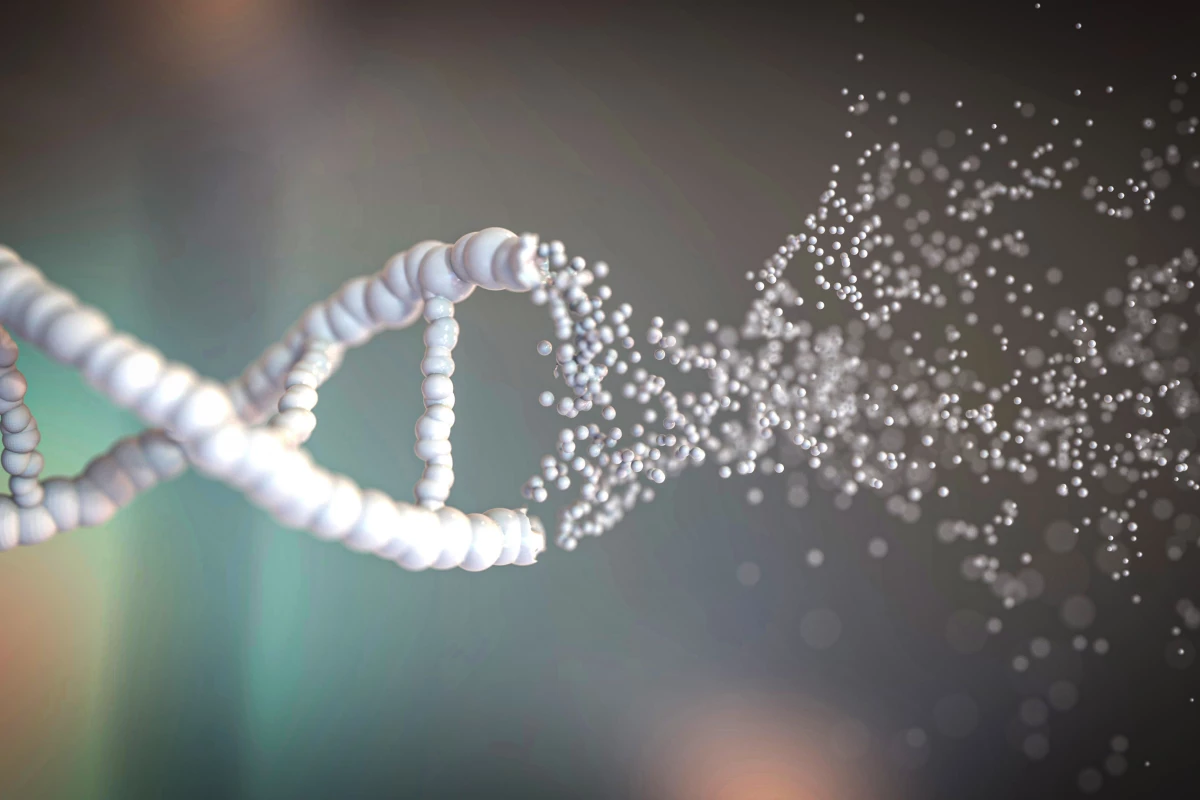
Scientists at Utrecht University have unveiled a groundbreaking tool that enables real-time monitoring of DNA damage within living cells. This advancement addresses a critical challenge in molecular biology: understanding how cells repair dangerous DNA injuries, specifically double strand breaks. These breaks are among the most severe forms of DNA damage and can disrupt genomic stability, leading to various diseases when repair mechanisms falter.
Until now, observing DNA repair processes in real time was largely unattainable. Traditional methods required halting and preserving cells at various stages, offering only fragmented insights. The new tool, developed by a team led by Tuncay Baubec, utilizes glowing sensors that illuminate the precise locations of DNA breaks as they occur. This innovation provides an unprecedented view into the cell’s repair mechanisms, akin to opening a window into cellular activity.
Innovative Design of the Glowing Sensors
The sensors are engineered from components of a natural protein already utilized by cells, allowing them to interact seamlessly with the cellular environment. According to Baubec, “Our sensor is different. It goes on and off the damage site by itself, so what we see is the genuine behavior of the cell.” This feature enables the probe to detect single DNA breaks, even in densely packed regions known as heterochromatin, establishing the tool’s versatility across various chromatin environments.
Critical to the sensor’s functionality is its glowing tag, which is linked to a small protein domain derived from the cell itself. This domain temporarily binds to markers on damaged DNA, revealing the injury without interfering in the natural repair process. The researchers confirmed that this brief interaction does not disrupt the cell’s ability to repair itself, allowing scientists to observe how DNA damage and repair unfold over time in living cells and even in live animals.
Applications and Future Implications
The research team extended the application of the sensor beyond cultured cells by testing it in a common worm model organism. Remarkably, the sensor functioned effectively, demonstrating its capability to identify natural DNA breaks during developmental processes. This versatility indicates that the tool is not limited to laboratory conditions, offering potential insights into DNA repair mechanisms in various biological contexts.
Beyond simply observing repair processes, the sensor can be linked to other molecules, enabling scientists to map the locations of DNA breaks, track the proteins that respond to these breaks, and even manipulate damaged DNA within the nucleus. Baubec notes that this tool could revolutionize how current cancer therapies are evaluated, stating, “Right now, clinical researchers often use antibodies to assess this. Our tool could make these tests cheaper, faster, and more accurate.”
The findings from this research have been published in the journal Nature Communications, marking a significant step forward in the study of DNA repair mechanisms. The implications of this innovative sensor extend well beyond basic research, potentially transforming medical research methodologies and contributing to the development of more effective therapies for conditions linked to DNA damage.