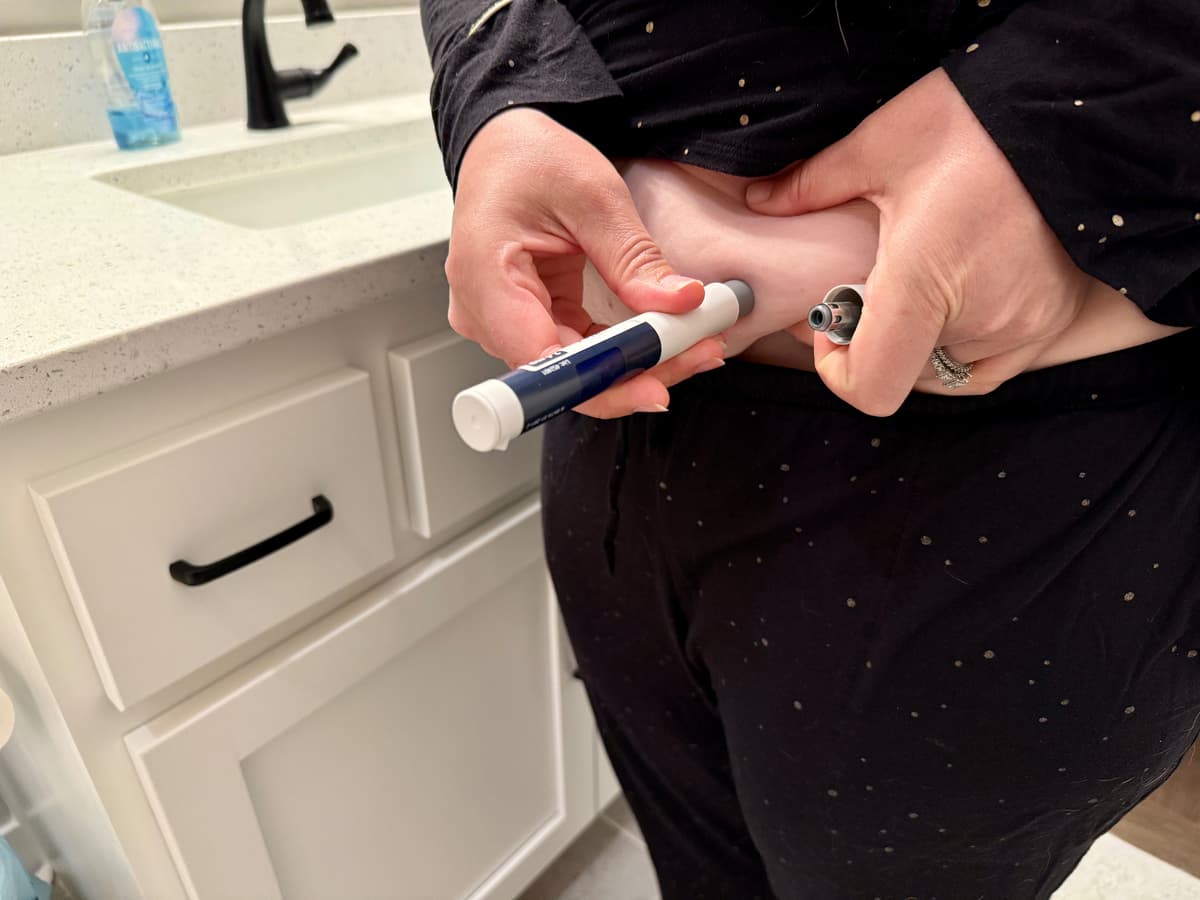
Recent trends indicate that users of GLP-1 medications, such as semaglutide, are significantly influencing restaurant spending. As these weight loss drugs gain popularity, many individuals are opting to dine out rather than prepare meals at home. This shift is prompting restaurants to adapt their menus to meet the preferences of this growing customer base.
GLP-1 medications, including well-known brands like Ozempic and Wegovy, are designed to assist in weight management by reducing appetite. As of 2023, the increasing demand for these drugs has not only impacted healthcare but is extending into the culinary landscape. According to the National Restaurant Association, eateries are witnessing a rise in patronage from customers seeking convenient dining options that align with their dietary goals.
Restaurants are responding by innovating their menus to cater specifically to this segment. Many establishments are emphasizing healthier choices, smaller portions, and lower-calorie options. This adaptation not only serves the needs of GLP-1 users but also attracts a broader audience interested in healthier dining.
The financial implications for the restaurant industry are notable. A recent report from the Food and Drug Administration (FDA) highlights that the sales of GLP-1 medications are projected to surpass $20 billion by the end of 2025. This surge in pharmaceutical spending is likely to result in increased restaurant expenditures as users seek convenient solutions for their meal planning.
Moreover, this trend is resonating across various demographics, as more individuals become health-conscious. Restaurants are not just altering their menus; they are also marketing their offerings to highlight nutritional value and caloric content, maximizing appeal to GLP-1 users.
The changes in consumer behavior underscore the interconnectedness of healthcare and the food industry. As more people turn to weight loss medications, restaurants face a unique opportunity to capture a share of this expanding market. This alignment between health management and dining out suggests a lasting impact on how meals are prepared and consumed.
In conclusion, the rise of GLP-1 medications is reshaping the restaurant landscape, driving up spending and prompting significant changes in menu offerings. As this trend continues, it will be essential for the food service industry to remain agile, adapting to the evolving preferences of health-conscious diners. The future of dining is increasingly intertwined with personal health management, highlighting a significant shift in consumer priorities.