DeAnna Duran, a 21-year-old from San Jose, California, has successfully overcome a severe addiction to fentanyl, thanks to a pioneering treatment program in Santa Clara County. As a teenager, DeAnna unknowingly became addicted to the powerful synthetic opioid, believing she was taking Percocet, a prescription painkiller. This alarming trend reflects a growing epidemic in the United States, where fentanyl now accounts for over half of all overdose deaths.
At just 15 years old, DeAnna began taking what she thought were “percs.” “At first, I didn’t want to do it, and I think it got to the point where my friends were doing it, so why can’t I?” she recounted. As her use escalated, she struggled to convince herself that she was not an addict. The reality of her situation became undeniable when the pills she consumed turned out to be counterfeit, laced with fentanyl.
Between January 1, 2018, and October 25, 2025, Santa Clara County reported 807 fentanyl overdose deaths, which represent approximately 75% of all opioid-related fatalities in the region. The average age of those who died from these overdoses is 38. “I didn’t know what fentanyl was, period,” DeAnna said, recalling her shocking discovery after researching the counterfeit pills online.
After multiple unsuccessful attempts to escape the grip of addiction, DeAnna’s turning point arrived last December. Faced with withdrawal symptoms, she watched a video featuring Dr. Lee Trope, who introduced Santa Clara Valley Medical Center’s youth inpatient opioid treatment program.
Launched in 2021, this program is the first of its kind in the nation, specifically designed for individuals under 21 struggling with opioid addiction. The aim is to provide a supportive environment, addressing the unique challenges young patients face. Previously, young patients would often receive treatment in emergency settings, which may not always cater to their needs.
Dr. Trope, a pediatric hospitalist and director of the program, explained that young patients benefit from a more nurturing atmosphere. “Our goal is to have a menu of options that different people with different life situations could choose to start their treatment,” he noted. Since its inception, the program has admitted 115 patients, emphasizing medical support and comfort during the detox process.
Just days before her 21st birthday, DeAnna made the decision to enter the program. “I wanted a better life for myself,” she expressed. Upon her admission to the pediatric wing of Valley Med, medical staff waited for her to experience mild withdrawal before administering Suboxone, a medication that helps reduce cravings by binding to opioid receptors.
The withdrawal symptoms, described by DeAnna as “hell,” were closely monitored with additional medications to alleviate discomfort. Her mother, Jennifer Duran, took time off work to support her daughter during this critical period. Jennifer, who had been unaware of the dangers of fentanyl until her daughter’s addiction, vividly recalls the sleepless nights filled with fear for DeAnna’s life.
“I told her it’s only a matter of time — it’s not if you overdose, it’s when,” Jennifer shared emotionally. “For a parent to lose a child, I don’t think it’s something you ever come back from.”
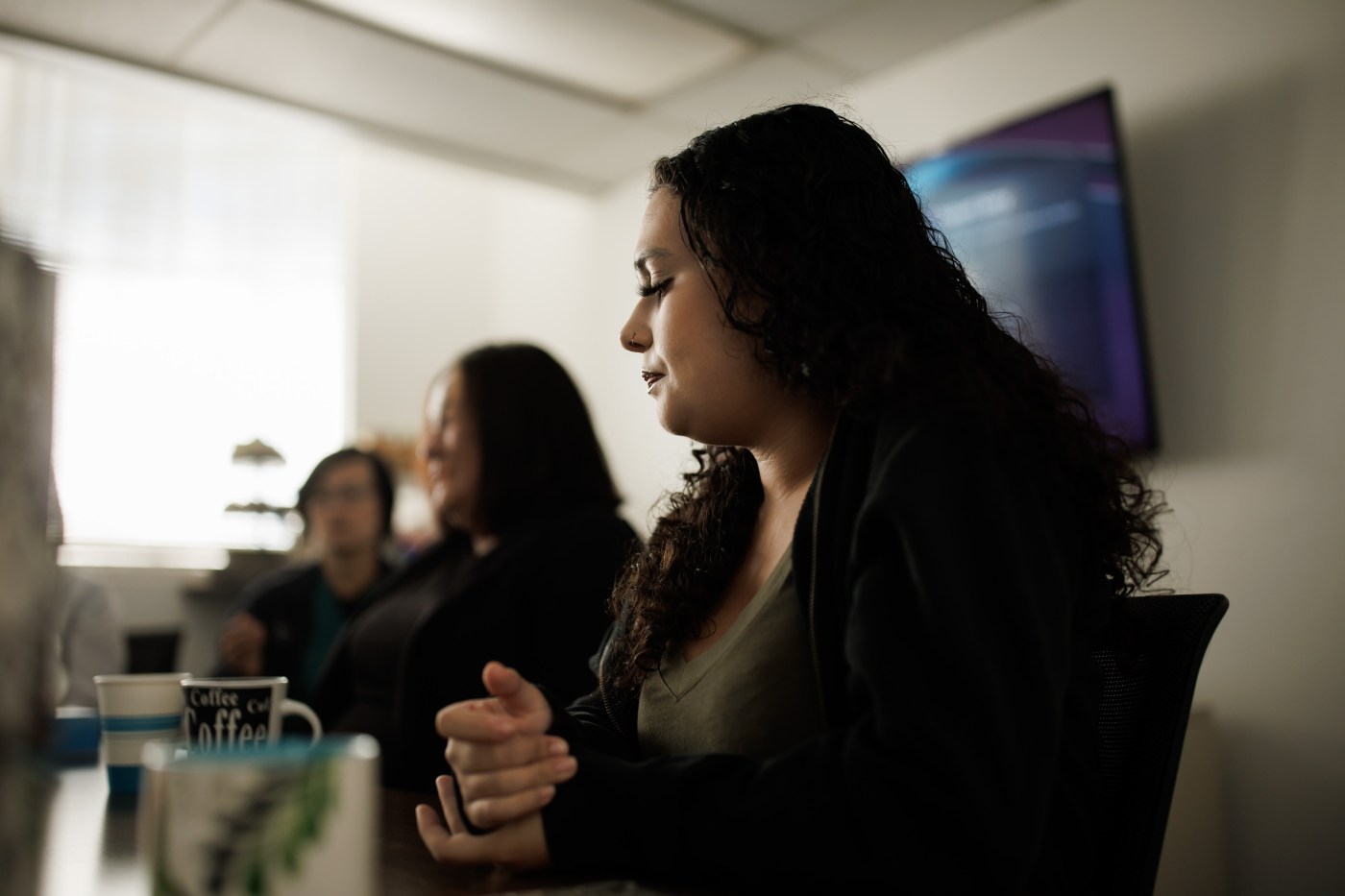
Now, nearly a year since DeAnna entered the program, she has achieved a significant milestone in her recovery. Each month, she visits the Re-entry Resource Center in downtown San Jose for a monthly injection of Sublocade, which helps manage her cravings. DeAnna’s physician, Dr. Annie Chang, highlighted the importance of providing young patients with stable treatment options. She noted the stark difference in treatment approaches for adolescents compared to adults, as many medications are primarily studied in adult populations.
From a public health perspective, Dr. Chang emphasized the necessity of ensuring young people have equal access to treatment for opioid addiction. “When we see the trajectory of substance use, it often leads to involvement in the criminal justice system if not addressed properly,” she explained.
Jennifer takes pride in her daughter’s achievements, acknowledging the ongoing journey of rebuilding trust within the family. “I want her to go out in life and become something that makes her happy and gives her joy,” Jennifer stated. She credits the treatment program with helping DeAnna regain control of her life.
For DeAnna, the support she received was transformative, allowing her to focus on her healing and ensuring she does not relapse. She hopes to return to school to complete her GED and is proud of the progress she has made. “I think overall I’m just proud of myself from where I started to where I am now,” she reflected.
Individuals under the age of 21 seeking assistance with opioid addiction can contact Valley Med’s youth opioid inpatient program at (408) 885-5255.