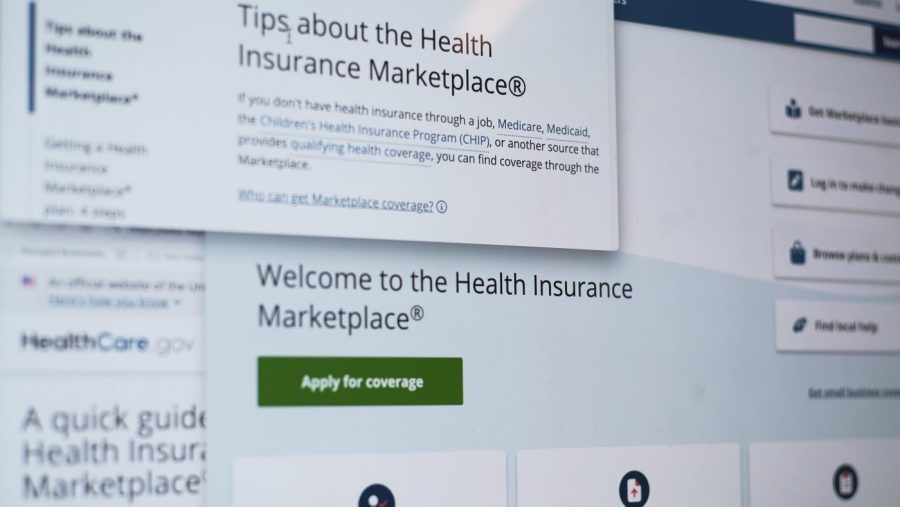
The U.S. Senate is preparing to vote on two competing health bills on April 4, 2024. This decision is critical as it addresses the impending expiration of COVID-19 era subsidies. Without these subsidies, millions of Americans could face significantly increased health insurance costs.
The proposed legislation reflects stark partisan divides. The Democratic Party’s plan aims to extend the subsidies, ensuring that individuals and families continue to receive financial assistance for health coverage. In contrast, the Republican Party’s proposal seeks to reduce federal spending on health care, suggesting alternative measures that could limit benefits for many.
Should the Senate fail to act, approximately 15 million Americans could see their insurance premiums rise, according to estimates from the Congressional Budget Office. This potential increase is particularly concerning for low-income families who have relied on these subsidies to maintain access to necessary health services.
Impact of Potential Changes
The health bills in question have wide-ranging implications for both consumers and the health care system. The Democratic proposal not only extends subsidies but also aims to lower prescription drug prices, which has been a significant issue for many Americans. Conversely, the Republican plan emphasizes personal responsibility and seeks to shift some of the financial burden back to individuals.
Senators from both parties have expressed their views on the importance of this legislation. Senator Chuck Schumer, the Majority Leader, stated, “We have a responsibility to protect the health of our citizens, especially those most vulnerable.” On the other hand, Senator Mitch McConnell, the Minority Leader, argued that the current spending levels are unsustainable and that reforms are necessary.
As the vote approaches, lobbying efforts intensify. Health care advocacy groups are mobilizing to push for the Democratic plan, highlighting the critical need for continued support for low-income individuals. They argue that the loss of subsidies would not only affect access to care but could also lead to worsening health outcomes across the nation.
The Broader Context
This vote comes against the backdrop of ongoing debates about health care in the United States. The COVID-19 pandemic highlighted existing disparities in access to care, prompting calls for reforms that ensure equitable health services for all Americans. The outcome of this vote could set a precedent for future health policy discussions, influencing both political and public perceptions of health care in the country.
In summary, the Senate’s decision on these rival health plans carries significant weight. As legislators prepare to cast their votes, the implications for millions of Americans hang in the balance. The outcome will not only affect insurance costs but also shape the future of health care policy in the United States.