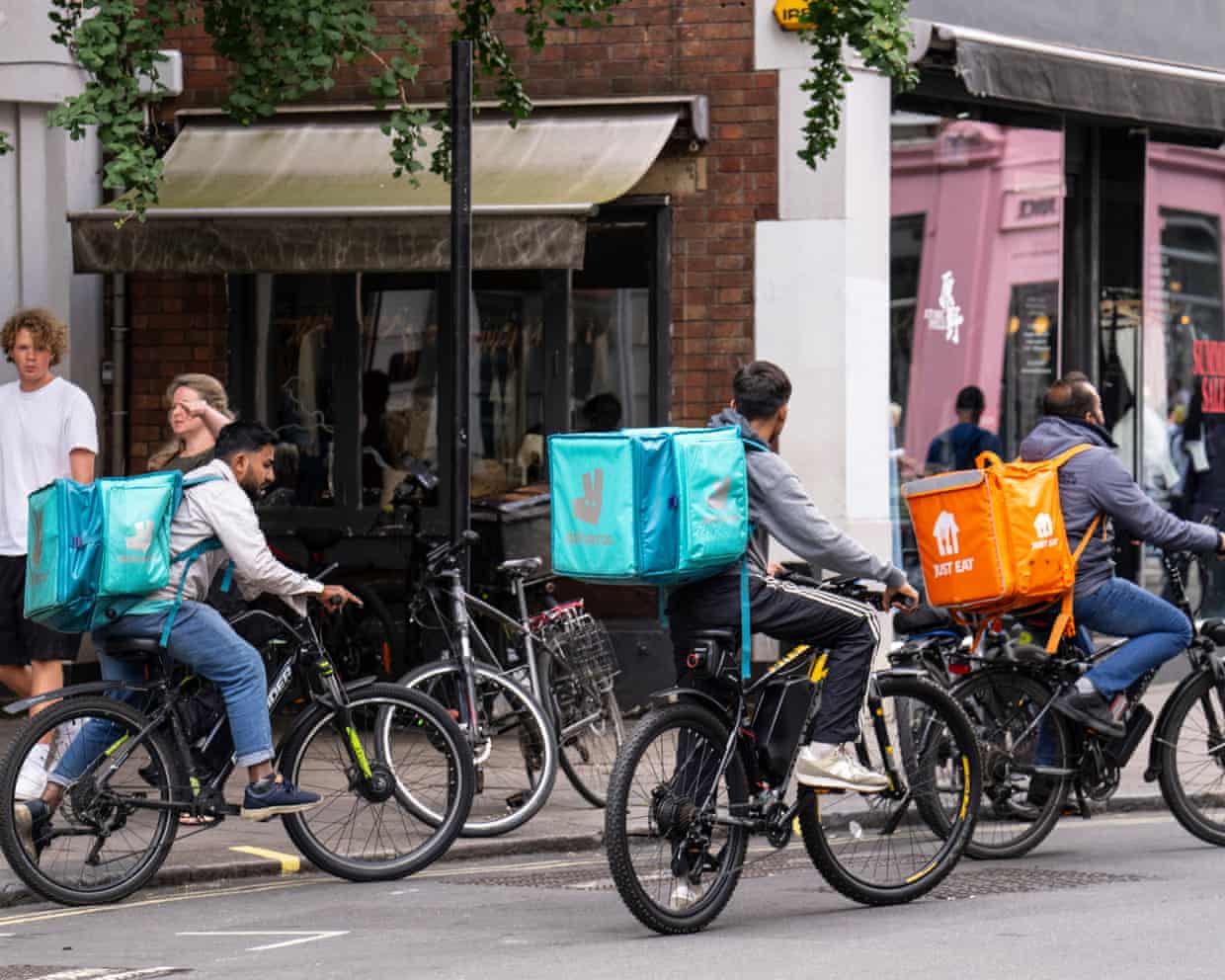
A recent study conducted by the University of Sheffield has revealed that one in seven food delivery businesses on major platforms, including Deliveroo and Just Eat, operates as a “dark kitchen.” These establishments, also referred to as “cloud,” “ghost,” or “virtual” kitchens, are delivery-only entities without a customer-facing storefront. The study highlights that approximately 15% of all online food retailers in England fall into this category, illuminating the scale of this burgeoning sector.
Defining Dark Kitchens and Their Implications
The research, commissioned by the National Institute for Health and Care Research, aimed to establish a clear definition of dark kitchens, a concept that has previously lacked consistency. Co-lead investigator Dr. Lucie Nield emphasized the need for greater transparency regarding online food orders, stating, “People deserve greater transparency about the food they are ordering online, and these businesses must be held to the appropriate regulatory standards.”
The study’s findings suggest that without proper regulation, dark kitchens may pose public health risks. Dr. Nield noted that these kitchens can contribute to increased consumption of unhealthy food options, as they often promote high-fat, high-sugar meals. The lack of visibility compared to traditional takeaway outlets makes it challenging for regulators to enforce food safety and health standards effectively.
Researchers collaborated with various stakeholders, including public health professionals and local authorities, to develop a shared definition. The final definition describes dark kitchens as “technology-enabled commercial kitchen(s) operating primarily for delivery, to fulfil remote, on-demand, consumer online orders of food for immediate consumption.” This clarity is expected to enhance communication and facilitate more effective regulatory measures.
Examining the Scale and Visibility of Dark Kitchens
The study employed data-scraping techniques across platforms such as Uber Eats and Deliveroo to assess the prevalence of dark kitchens. By identifying clusters of food brands operating from the same postcode, researchers uncovered significant numbers of delivery-only hubs. Cross-referencing with tools like Google Maps further illustrated how difficult it can be for consumers and regulators to locate and identify these kitchens.
Despite the commercial advantages that dark kitchens offer—such as lower operating costs and flexible locations—concerns about food safety and transparency persist. For instance, multiple businesses can share the same kitchen space, potentially leading to allergen cross-contamination. A 2023 survey revealed that 40% of respondents ordered takeout at least weekly, primarily through delivery apps, yet awareness of dark kitchens remained low. Only 25% of participants had heard of them, with just 9% having knowingly ordered from one.
Interestingly, after reviewing the working definition of dark kitchens, over half of the survey participants indicated they would consider ordering from such establishments, provided that this information was clearly communicated.
The introduction of a unified definition is intended to bring delivery-only hubs under stricter planning and public health regulations, enhancing consumer understanding and safety. As the food delivery landscape continues to evolve, it becomes increasingly vital to address the challenges posed by dark kitchens to ensure that public health remains a priority.