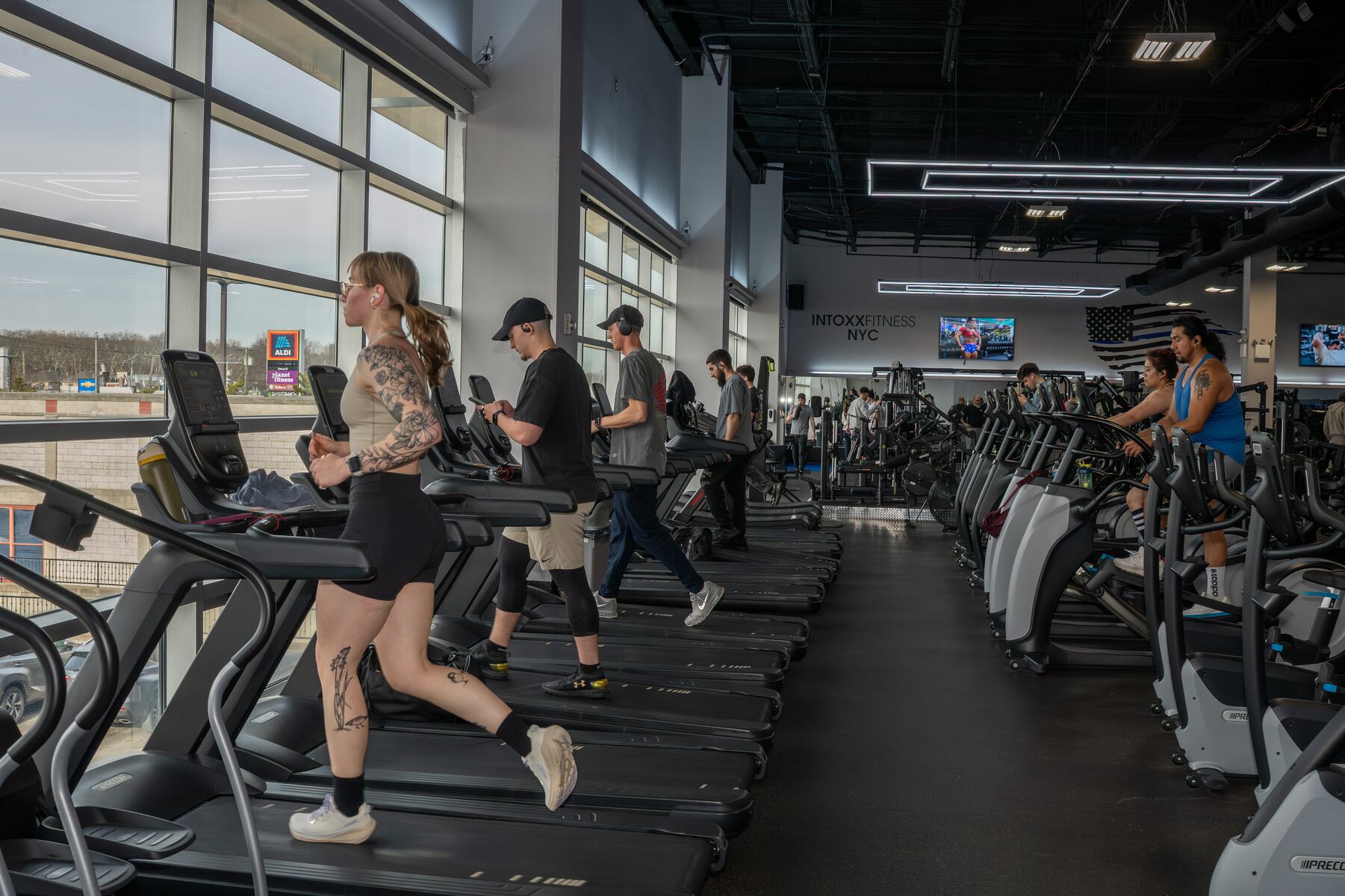
A recent survey indicates that “exercising more” is the most popular New Year’s resolution, with a striking 25% of adults planning to prioritize fitness in 2026. This surge in fitness enthusiasm often leads to a noticeable increase in gym attendance during January, but it also coincides with a spike in preventable exercise-related injuries. Health experts stress the importance of caution as individuals embark on new workout routines.
Orthopedic surgeon Dr. Andrew Carbone highlights a predictable pattern observed each January. “We see a very predictable spike of very preventable injuries every year,” he states. The post-holiday season brings heightened motivation, but many newcomers to fitness are not adequately conditioned for the sudden increase in physical activity.
Dr. Carbone notes that social media trends can exacerbate the situation. He points to a current trend involving kettlebell swings, where participants are encouraged to perform 100 swings a day for 30 days. “That kind of stuff will cause overuse injuries,” he warns. Common injuries arising from these enthusiastic yet often reckless exercise regimes include tendonitis, particularly in the biceps, rotator cuff problems in the shoulder, and a range of knee injuries.
“Especially if someone suddenly takes up running,” Dr. Carbone explains, “you go from zero to running 3-4-5 miles; you’re going to get a lot of patellar tendonitis and runner’s knee.” Such injuries can derail fitness goals and lead to long recovery periods.
To mitigate the risk of injury, Dr. Carbone advises beginners to adopt a gradual approach. He recommends working out no more than three days a week and incorporating rest days into any exercise regime. “Rest is when your body starts to build muscle,” he emphasizes.
In addition to pacing oneself, Dr. Carbone suggests steering clear of fleeting social media fads. Instead, he encourages individuals to focus on foundational exercises, such as bodyweight workouts and core strengthening. “Consider getting a trainer to help keep your technique on track,” he adds. Starting with higher repetitions and lower weights can build strength safely.
Once a solid foundation is established—encompassing a strong core, lower back, and shoulders—individuals can gradually increase weights and intensity. Dr. Carbone acknowledges that some soreness is a normal part of starting a new workout routine, but he cautions that if soreness does not improve quickly or if swelling occurs, it is advisable to consult a medical professional.
As the new year approaches, individuals are reminded that while the pursuit of fitness can be rewarding, it is essential to approach it thoughtfully and safely to avoid setbacks.