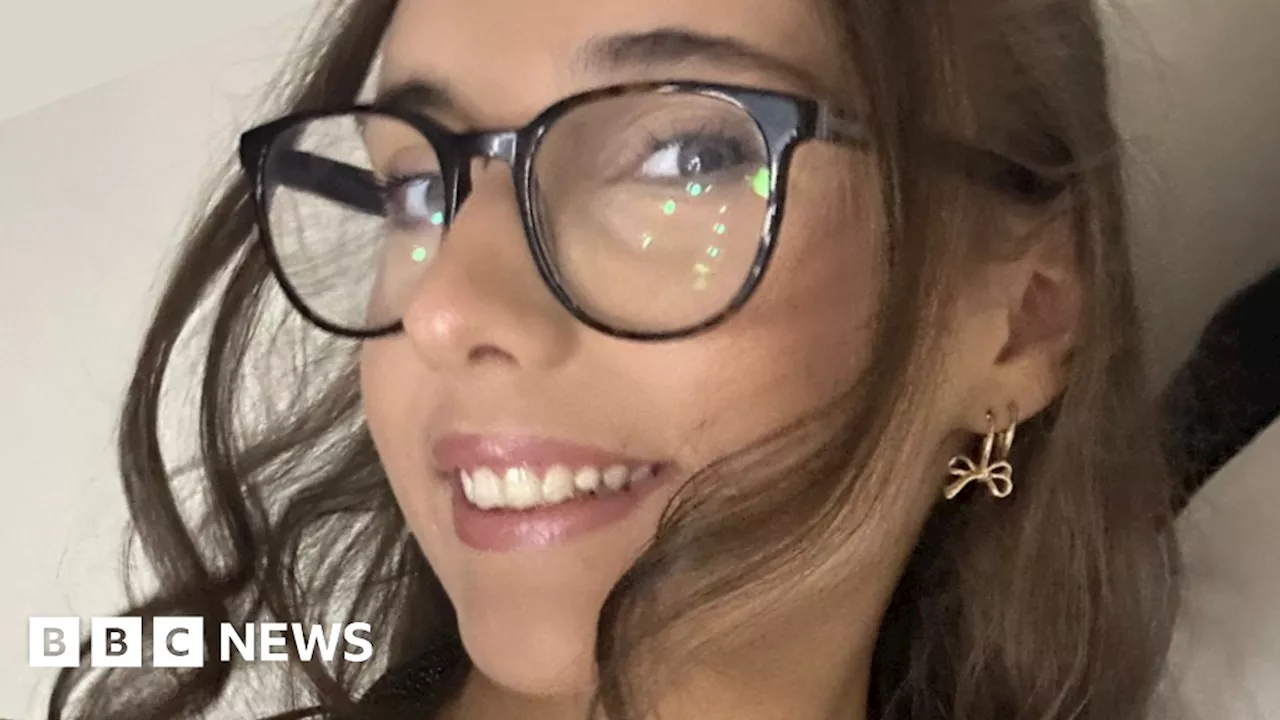
A 16-year-old girl from Abergele, located in Conwy County, is navigating the challenges of living with a rare condition known as cold urticaria. This allergy causes her to experience hives and swelling, triggered by cold temperatures, even as mild as a cool breeze in summer. Amber hopes that new antihistamine injections, administered every four weeks, will alleviate her symptoms and allow her to engage more fully in life.
Amber has faced significant obstacles due to her condition. She expressed feeling “always scared” of having an allergic reaction, which has forced her to miss social gatherings and left her feeling self-conscious. “I just want a normal life,” she shared, highlighting the emotional toll of her diagnosis. According to Anaphylaxis UK, cold urticaria can be difficult to diagnose and manage, with symptoms varying widely among individuals. The underlying cause of this condition remains unknown.
Her journey began when she experienced her first allergic reaction while walking home from her part-time job as a waitress. Initially attributing her breakout to food, she later sought help from her general practitioner. Unfortunately, the doctor suggested that her skin was reacting to pollution and did not prescribe any medication. Amber recalled that her mother was deeply concerned, insisting she wear double layers to protect herself, as they were unaware of the condition’s nature.
Taking matters into her own hands, Amber conducted research and discovered cold urticaria. This led to a referral to a dermatologist, who validated her experiences. “I was kind of relieved that I had support,” she noted. Despite this encouragement, her symptoms persisted, with reactions occurring whenever the temperature fell below 12°C. She also experiences hives and rashes after exposure to water, regardless of the water’s temperature.
Amber’s daily life is deeply affected by her condition. She often arrives at work and school with visible redness and hives, making her feel as though “everyone is looking” at her. Socially, she faces challenges when her friends invite her out, as outdoor activities are off-limits. “We have to plan around where we go. If it’s somewhere inside or at someone’s house, that’s fine, but outside, I can’t do it,” she explained.
The emotional impact of being unable to participate in activities has been significant for Amber. “My friends are always out, and they’re always inviting me out, and I can’t really go out because of it, so I feel left out,” she added. Despite the challenges, Amber remains hopeful for the future and wishes for more research and treatment options for her condition. “I’m hoping there’s going to be a lot more research going into this,” she stated.
Amber’s story sheds light on the complexities of living with a rare allergy and the resilience required to navigate daily life. She continues to advocate for awareness and understanding of cold urticaria, hoping that advancements in treatment will someday lead her to the normalcy she longs for.