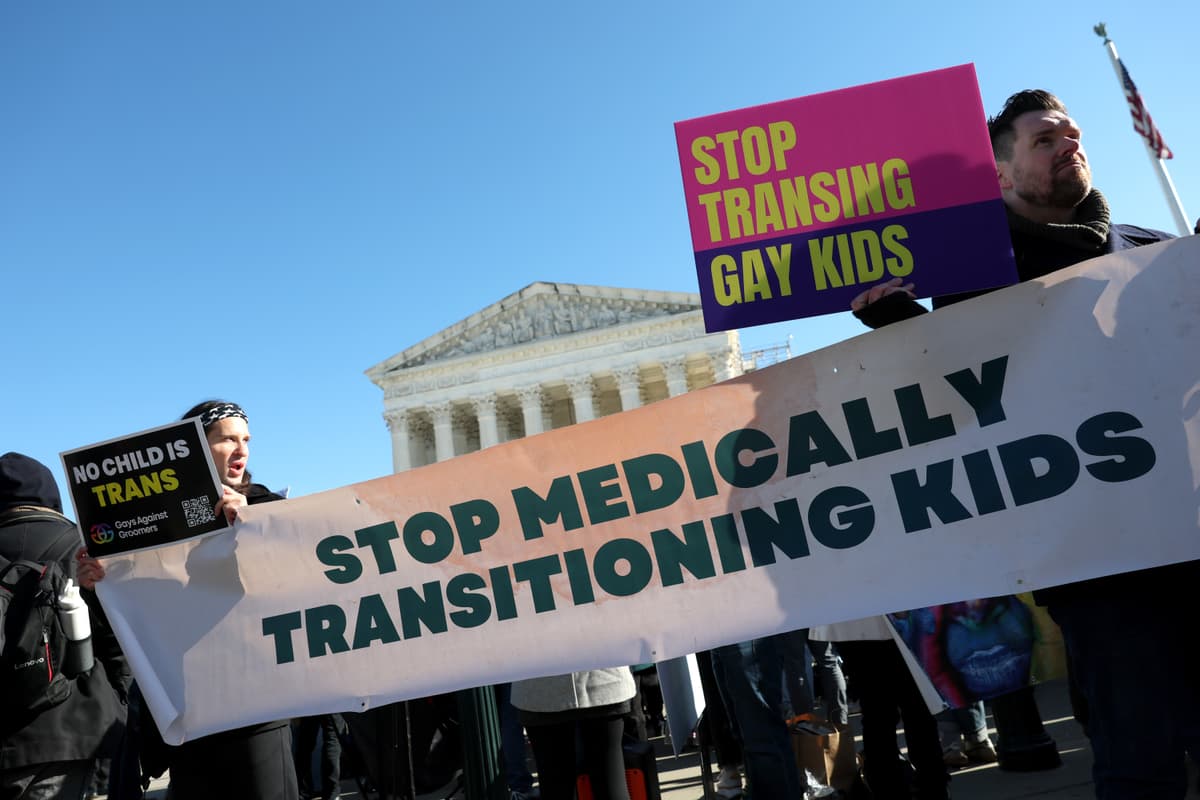
The Trump administration has announced a significant policy shift aimed at blocking medical gender treatments for minors, citing safety and efficacy concerns. Health Secretary Robert F. Kennedy Jr. described these procedures as “junk science,” asserting that they pose risks to the long-term health of children. This initiative follows a series of proposed rule changes that could dramatically impact the availability of treatment options for transgender youth.
At a press conference on January 4, 2024, Kennedy characterized gender-affirming care as harmful, suggesting it has caused “lasting physical and psychological damage” to young individuals. He emphasized that the proposed changes are intended to protect children from what he termed “malpractice.” The announcement aligns with a broader executive order signed by former President Donald Trump, titled “Protecting Children From Chemical and Surgical Mutilation.”
One of the proposed regulations would prevent any hospital that receives Medicaid or Medicare funding from providing puberty-blocking treatments or transition surgeries to minors. This restriction would likely affect nearly all hospitals across the United States. Additionally, the administration plans to bar Medicare and Medicaid from covering the costs of such procedures, further limiting access for families seeking these treatments.
The initiative has also prompted actions from the Food and Drug Administration (FDA), which announced it would issue warning letters to 12 manufacturers of breast binders. These products, which flatten the chest, are now claimed to be illegally marketed to minors experiencing gender dysphoria.
In a related move, the Department of Health and Human Services is working to reverse the previous administration’s classification of gender dysphoria as a disability. Kennedy referenced a recent report commissioned by the Trump administration that criticized pediatric gender medicine, stating, “Sex rejection procedures rob children of their futures.”
At the press event, activist Chloe Cole, who has publicly opposed gender transition treatments for minors, shared her personal experience. Cole described undergoing puberty blockers at the age of 13 and undergoing a double mastectomy at 15. She conveyed feelings of being pressured into identifying as male and noted her journey of detransitioning that began at 17. “Because of the moral failings of my doctors, I have forever lost significant parts of my identity,” she stated.
The proposed rules will undergo a 60-day public comment period before any final decisions are made. Advocacy group Human Rights Campaign has urged supporters to voice their opposition during this time. The organization argues that these regulations would intrude on critical decisions that should be made by families and healthcare providers. Kelley Robinson, president of the Human Rights Campaign, stated, “These rules aim to completely cut off medically necessary care from children no matter where in this country they live.”
As discussions continue, the new regulations are anticipated to face legal challenges. Kennedy expressed confidence that the administration would prevail in any lawsuits arising from these proposed changes. The ongoing debate over medical gender treatments for minors reflects a deepening division in American society regarding transgender issues and the appropriate care for young individuals navigating their gender identities.