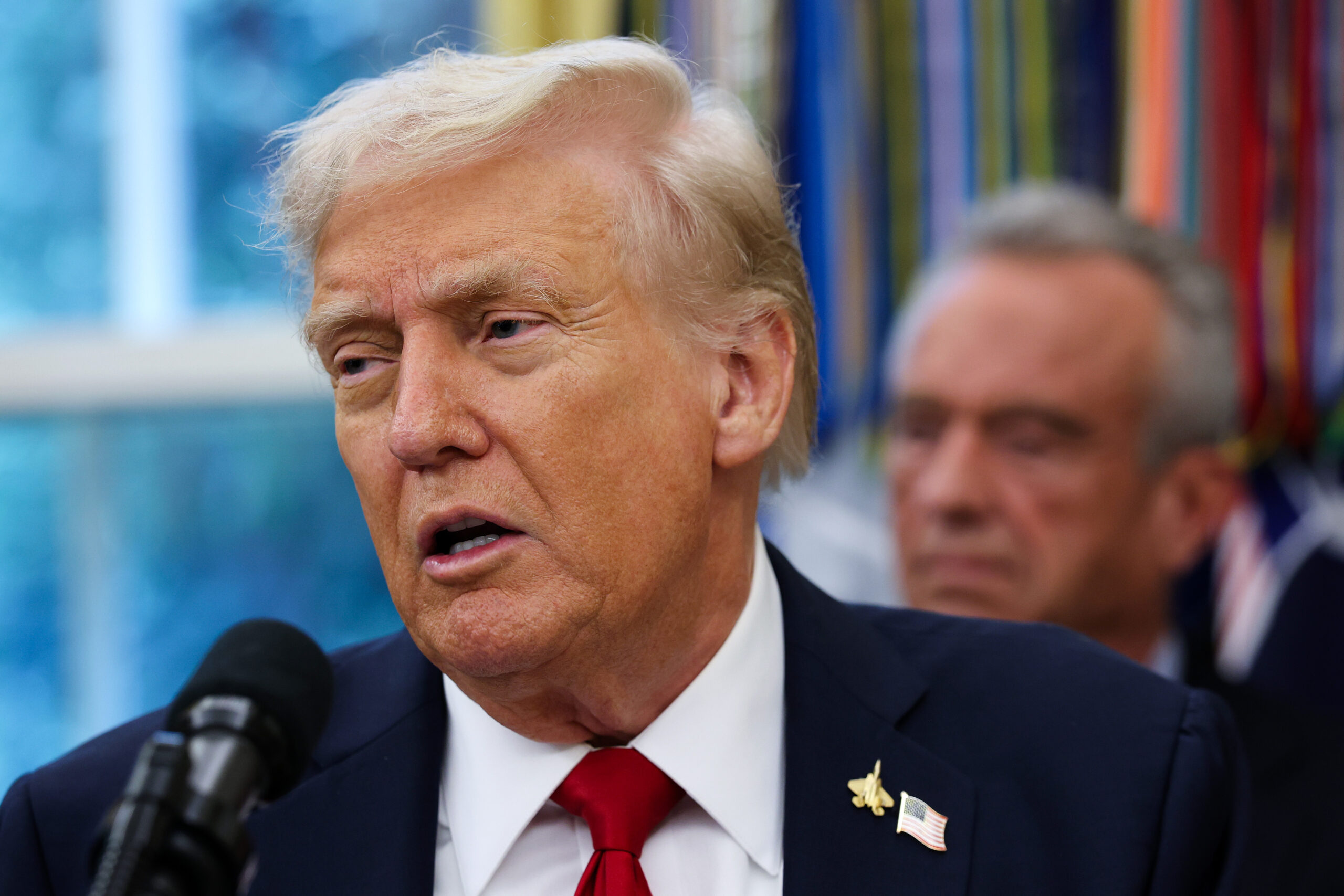
Former President Donald Trump has announced a plan aimed at compelling insurance companies to reduce healthcare prices, but skepticism surrounds the feasibility and potential impact of these voluntary cuts. Trump’s proposal, which he unveiled on March 15, 2024, seeks to encourage insurers to lower costs for Americans, a move that he claims could lead to significant savings in the healthcare sector.
Despite the ambitious nature of this initiative, experts warn that relying on voluntary measures may not yield the desired results. According to a report from the National Health Policy Forum, historical data suggests that insurance companies are often reluctant to implement price reductions without regulatory pressures or competitive market dynamics.
The Congressional Budget Office (CBO) has also weighed in, expressing caution about the likelihood of sustained savings from such voluntary cuts. “Without a structured approach, efforts to lower prices may end up being temporary or superficial,” stated a CBO representative. This raises concerns about the long-term effectiveness of Trump’s proposal, especially in a healthcare landscape that has seen rising costs for many years.
Supporters of the plan argue that it could lead to a more consumer-friendly insurance market. They believe that if insurers feel pressure from both the public and the government to lower prices, it might spark competition that ultimately benefits consumers. However, critics contend that this strategy overlooks the complexities of the healthcare system, including the roles of providers, pharmaceutical companies, and regulatory bodies.
The potential impact on American consumers remains uncertain. While some may welcome any initiative aimed at lowering costs, others fear that without enforceable regulations, the plan could fall short of its objectives. “The healthcare industry is notoriously resistant to change,” cautioned a healthcare policy analyst. “Voluntary cuts may sound appealing, but they often lack the teeth needed to drive true reform.”
Trump’s administration has previously attempted various healthcare reforms, but many have faced backlash and legal challenges. As this new plan unfolds, it will be critical to monitor how insurance companies respond and whether they will embrace the proposed voluntary cuts.
In the coming months, the administration is expected to engage with industry leaders to discuss the potential framework for these initiatives. The outcome of these discussions could determine the future of healthcare costs in the United States and the administration’s legacy on this pressing issue.
As the debate continues, the American public remains hopeful for meaningful change in a system that many consider broken. Whether this latest attempt will lead to genuine relief for consumers is yet to be seen, but the stakes are undeniably high.