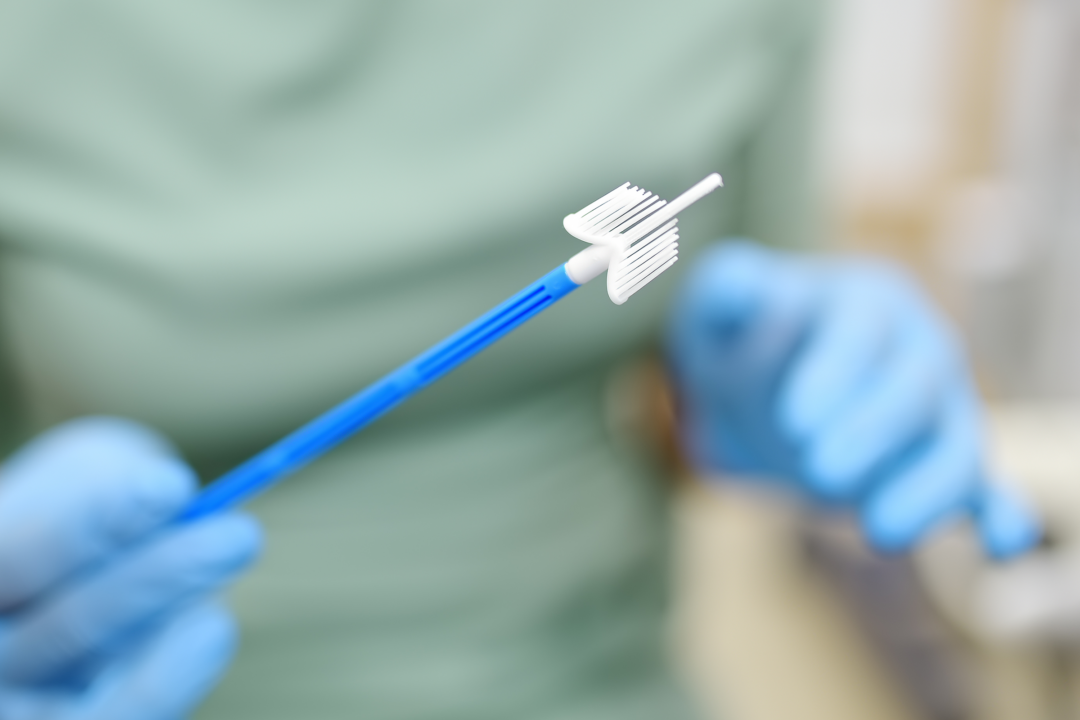
New guidelines from the Health Resources and Services Administration (HRSA) will allow women to screen for cervical cancer from the comfort of their own homes. This significant update introduces self-collection tests as an official screening option, particularly impacting women aged 30 to 65.
Under the revised guidelines, women in this age group are encouraged to test for the presence of human papillomavirus (HPV), a virus closely linked to cervical cancer. They can choose to perform this test themselves or opt for a clinical setting. This move aims to increase screening rates and improve early detection of cervical cancer, which remains a serious health concern.
In contrast, the guidelines for women aged 21 to 29 remain unchanged; they are still recommended to undergo traditional Pap smears, which cannot be self-administered. This distinction highlights the evolving understanding of cervical cancer risks in different age demographics.
The self-collection test option will be covered by private insurance starting in January 2027. This coverage is expected to enhance accessibility for women who may find it challenging to attend clinical appointments. With this initiative, health authorities aim to promote regular screening, which is crucial for reducing cervical cancer rates.
The introduction of at-home testing is a response to the increasing demand for flexible healthcare options. By allowing women to manage their screening in a familiar environment, it is hoped that more individuals will take proactive steps towards their health.
As health organizations continue to adapt to the needs of the population, these new guidelines represent a significant step towards improving women’s health outcomes on a larger scale.