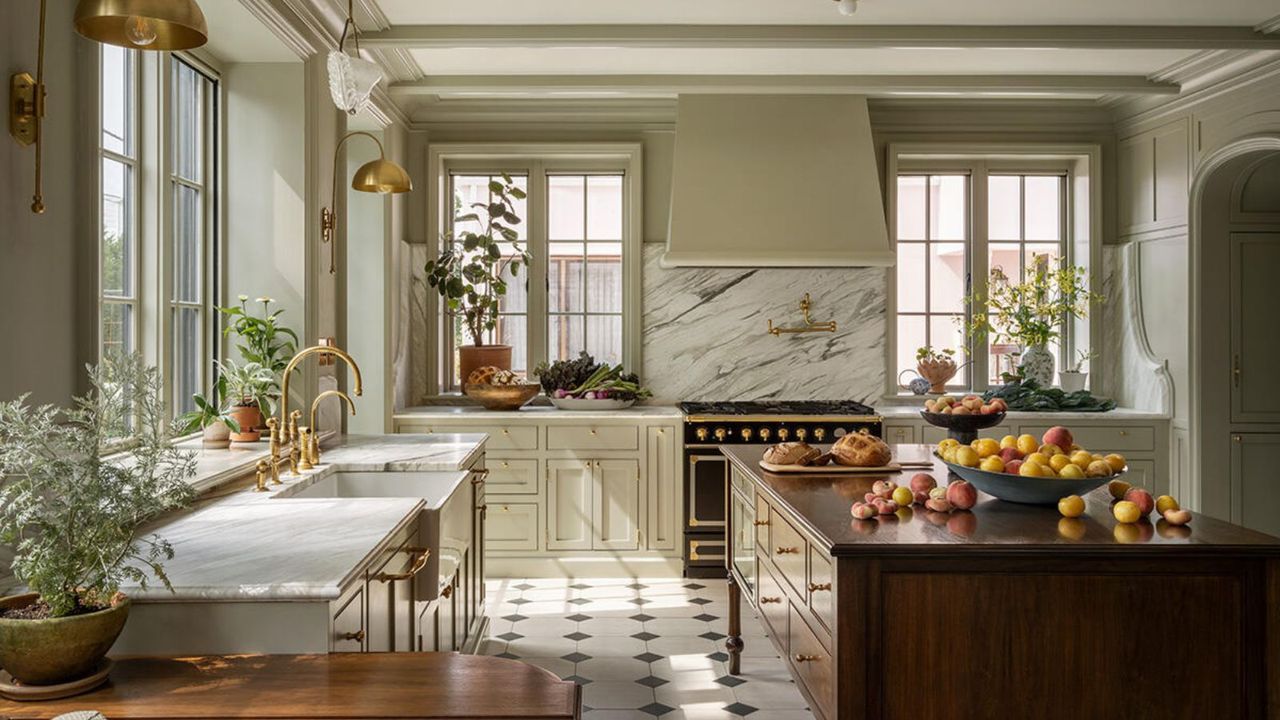
Kitchens are undergoing a significant transformation as designers revive decorative elements previously overshadowed by minimalism. Among these elements is the sidesplash, a panel used alongside kitchen backsplashes. This reintroduction signals a shift towards more traditional and visually appealing designs, emphasizing warmth and character in modern kitchens.
Rediscovering the Sidesplash
Historically, kitchens featured elaborate details that enhanced their overall charm. Yet, in recent decades, the trend leaned heavily towards clean lines and sleek finishes, often at the expense of decorative features. Now, as the tide turns, the sidesplash is gaining attention for its aesthetic and practical benefits. According to Heather French, Creative Director and Principal at French & French Interiors, “A sidesplash is a beautiful way to round out a kitchen design. It adds another layer of visual interest while also being functional.” This renewed focus on detail reflects a broader trend, where homeowners are seeking to create more inviting and personalized spaces.
The sidesplash serves dual purposes: it enhances the design while protecting walls from water damage. Interior designer Jessica Helgerson notes, “A sidesplash helps to avoid water damage to the side walls. It creates a full volume of the material instead of just an accent wall, making the space feel more complete.” This functional yet decorative aspect makes the sidesplash an essential addition to contemporary kitchen designs.
Material and Design Considerations
Choosing the right material for a sidesplash is crucial. As Caroline Levenson, an interior designer, explains, “Any material suitable for a backsplash is also appropriate for a sidesplash.” However, the shape and style should complement the overall kitchen design. “The most successful sidesplashes feel tailored to the home,” she adds. “A gently shaped silhouette can echo surrounding millwork, making the element feel integrated rather than merely added on.”
Natural stone is often the material of choice for its elegance and durability. “Marble with expressive veining beautifully draws the eye vertically and highlights the craftsmanship,” Levenson states. The right finish can also enhance the timeless quality of the material, with honed finishes providing an architectural feel that resonates with many homeowners.
Execution is key when adding a sidesplash. Designers recommend treating it as part of the overall kitchen design. French advises, “It should feel intentional and integrated with the overall space.” Attention to scale and alignment with other kitchen elements is essential for achieving a seamless look. “Keep the height intentional,” Levenson suggests, noting that a refined height just above the counter is often most effective.
As the trend toward decorative details continues to gain momentum, the sidesplash exemplifies a return to warmth and sophistication in kitchen design. This small addition can significantly elevate the space, providing both functional benefits and visual appeal. Designers emphasize the importance of thoughtful integration, ensuring that each feature contributes to a cohesive and inviting environment.
With the sidesplash’s resurgence, homeowners are encouraged to embrace the beauty of detail in their kitchens, marking a shift towards more personalized and character-rich designs. As the industry evolves, it’s clear that the sidesplash is more than just a trend; it’s a reflection of a broader desire for homes that feel both stylish and lived-in.