Interior designers have identified key trends set to shape living rooms in 2026. According to insights gathered by Business Insider, the focus will shift toward antique decor and color capping, while minimalist and sterile designs will fade from favor.
Living rooms serve as the heart of the home, designed for hosting guests, spending quality time with family, and personal relaxation. Given their importance, designers emphasize the need for these spaces to feel warm, inviting, and filled with personal touches.
Emerging Trends for Living Rooms
One notable trend for 2026 is color capping. Candace Griffin, principal designer and founder of Candace Mary Interiors, explains that this technique involves using multiple shades from the same color family to create depth and visual interest. This contrasts with color drenching, where a single hue dominates the entire space. Griffin notes, “Color capping can sometimes be used to draw your eye up, to make your ceilings feel taller,” highlighting its dual functional and aesthetic purposes.
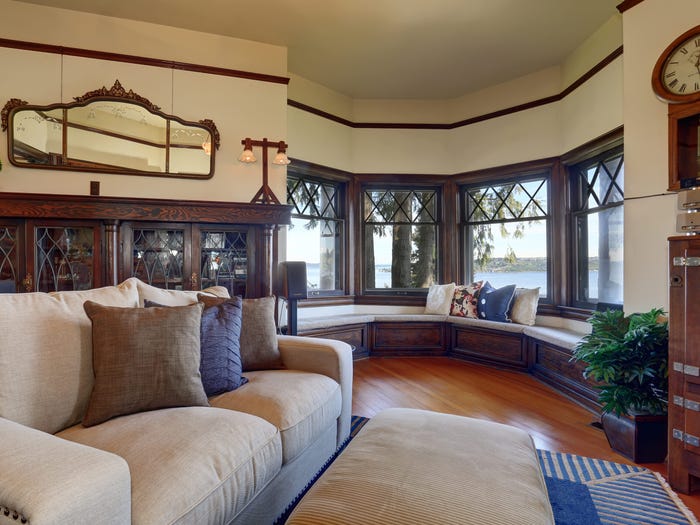
Another anticipated trend is the growing interest in sourcing antique pieces. Kara Thomas, founder of Studio KT, predicts a decline in ultra-glam light fixtures, replaced by soft, antique-style lamps. “The desire to fill a home with antiques stems from a need for uniqueness,” she states, pointing to a shift toward rustic decor, mixed metals, and vintage artwork.
Designers like Molly Torres Portnof of DATE Interiors are also advocating for more intimate and creative layouts. This could include cozy reading nooks or small play areas within the living room. “If you have the space to create separate conversation areas, you can get creative,” says Griffin, emphasizing the importance of maximizing every inch of the room.
Craftsmanship and Personalization Take Center Stage
A significant trend is the increased appreciation for craftsmanship in furniture and decor. Molly Miller, principal designer at Molly Miller Interiors, highlights the appeal of handmade, wooden furniture and handwoven textiles, which add depth and authenticity that mass-produced items lack. As people seek inviting and emotionally calming environments, these elements are becoming essential.
The concept of dual-purpose furniture is also gaining traction. Torres Portnof mentions the rising popularity of mirror TVs, which function as both a stylish mirror and a high-definition television. “I love the fact that it’s dual-purpose,” she says, indicating a growing trend toward practical yet elegant solutions in living spaces.
In terms of color palettes, earthy tones are expected to dominate. Designers predict that hues like burgundy, deep browns, olive greens, and darker blues will become popular choices as homeowners gravitate towards designs that evoke warmth and comfort.
Conversely, the trend of relying on single overhead lights is fading. Miller anticipates a shift toward layered ambient lighting, with clients increasingly requesting a mix of floor lamps, sconces, and table lamps. “Layered, ambient lighting is becoming a priority,” she notes, as people seek warmth and flexibility in their lighting choices.
Moving Away from Sterile Designs
The minimalist, sterile aesthetic is losing its appeal, according to Danielle Chiprut, founder of Danielle Rose Design Co.. She observes a growing preference for textured designs featuring warmer colors and patterned upholstery. “We’re moving away from that minimalist design into a more layered, cozy layout,” she explains.
Griffin echoes this sentiment, observing a shift towards spaces that feel truly “lived in.” She advises homeowners to take their time in curating their living spaces by incorporating personal items and avoiding mass-produced decor. “The real way to achieve that is by taking your time and incorporating the things that you like and that are important to you,” she concludes.
As 2026 approaches, these insights from leading interior designers offer a glimpse into the evolving landscape of living room design, emphasizing warmth, individuality, and a departure from cold, sterile environments.