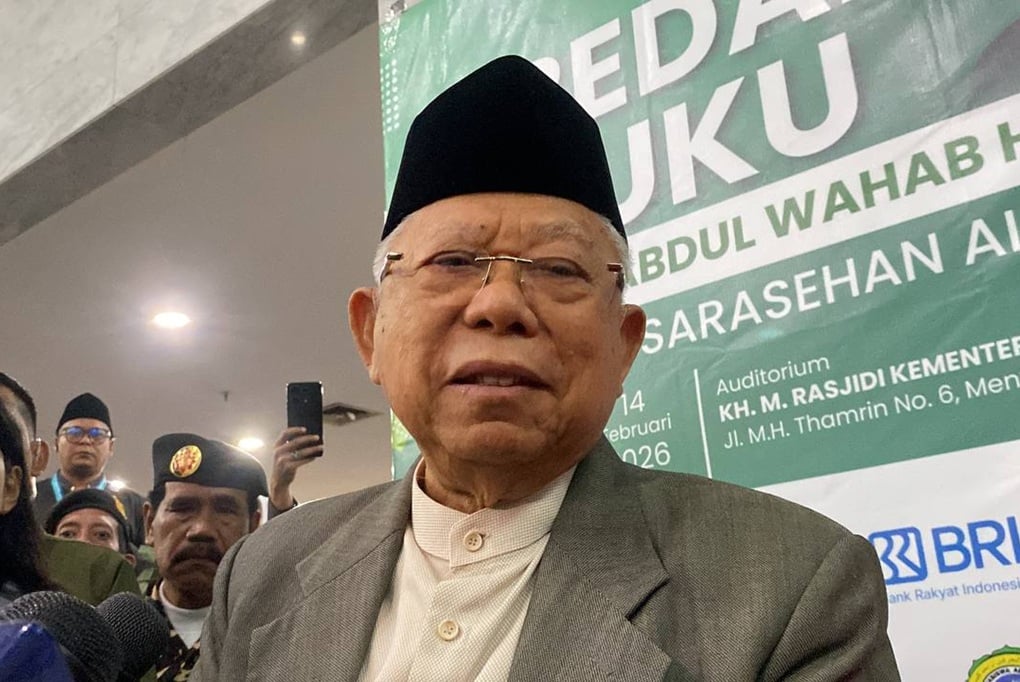
The 13th Vice President of Indonesia, Ma’ruf Amin, recently paid tribute to the late KH Abdul Wahab Hasbullah, a prominent Islamic scholar and politician. Amin described Hasbullah as a rare figure in Indonesian history, noting his profound influence as both a religious leader and a statesman.
Legacy of KH Abdul Wahab Hasbullah
Hasbullah, who passed away in 1971, played a significant role in shaping Indonesia’s religious and political landscape. He was a founding figure of the National Islamic Council and was instrumental in advocating for the integration of Islamic values within the state framework. His commitment to education and social welfare left a lasting impact on many communities across the country.
During a recent ceremony, Amin reflected on Hasbullah’s unique contributions, stating, “He was not only a scholar but also a dedicated politician who worked tirelessly for the betterment of society.” This sentiment illustrates the deep respect held for Hasbullah among contemporary leaders.
Impact on Indonesian Society
According to reports, Hasbullah’s teachings emphasized the importance of harmony between religion and governance. His approach to Islamic scholarship was characterized by a commitment to moderation and tolerance, principles that resonate in Indonesia’s diverse society today. As Amin highlighted, Hasbullah’s legacy continues to inspire future generations of leaders and scholars.
In a country known for its rich tapestry of cultures and beliefs, Hasbullah’s vision of inclusivity remains vital. The Vice President’s remarks serve as a reminder of the importance of leaders who bridge the gap between faith and civic duty.
As Indonesia continues to evolve, the teachings of KH Abdul Wahab Hasbullah remind citizens of the value of leadership grounded in ethical and moral principles. His life’s work stands as a testament to the potential of combining spiritual guidance with responsible governance.