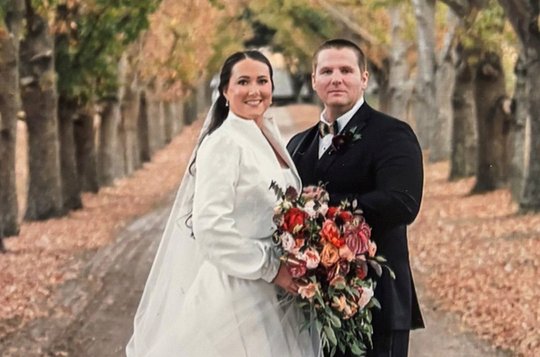
Planning a wedding can be both an exciting and challenging endeavor, especially when it comes to managing the guest list. A mother recently sought advice on how to use a save-the-date card effectively, as her daughter prepares for a wedding scheduled for 14 months from now. With the venue located six hours away from their hometown, the family faces the reality that many potential guests may be unable to attend.
During the wedding planning process, the mother expressed her concern about how to communicate with invited guests. She wondered if it would be appropriate to use a save-the-date card as a way to encourage those who might not attend to inform her in advance. This would allow them to adjust the guest list accordingly, especially given the limited capacity of the venues being considered.
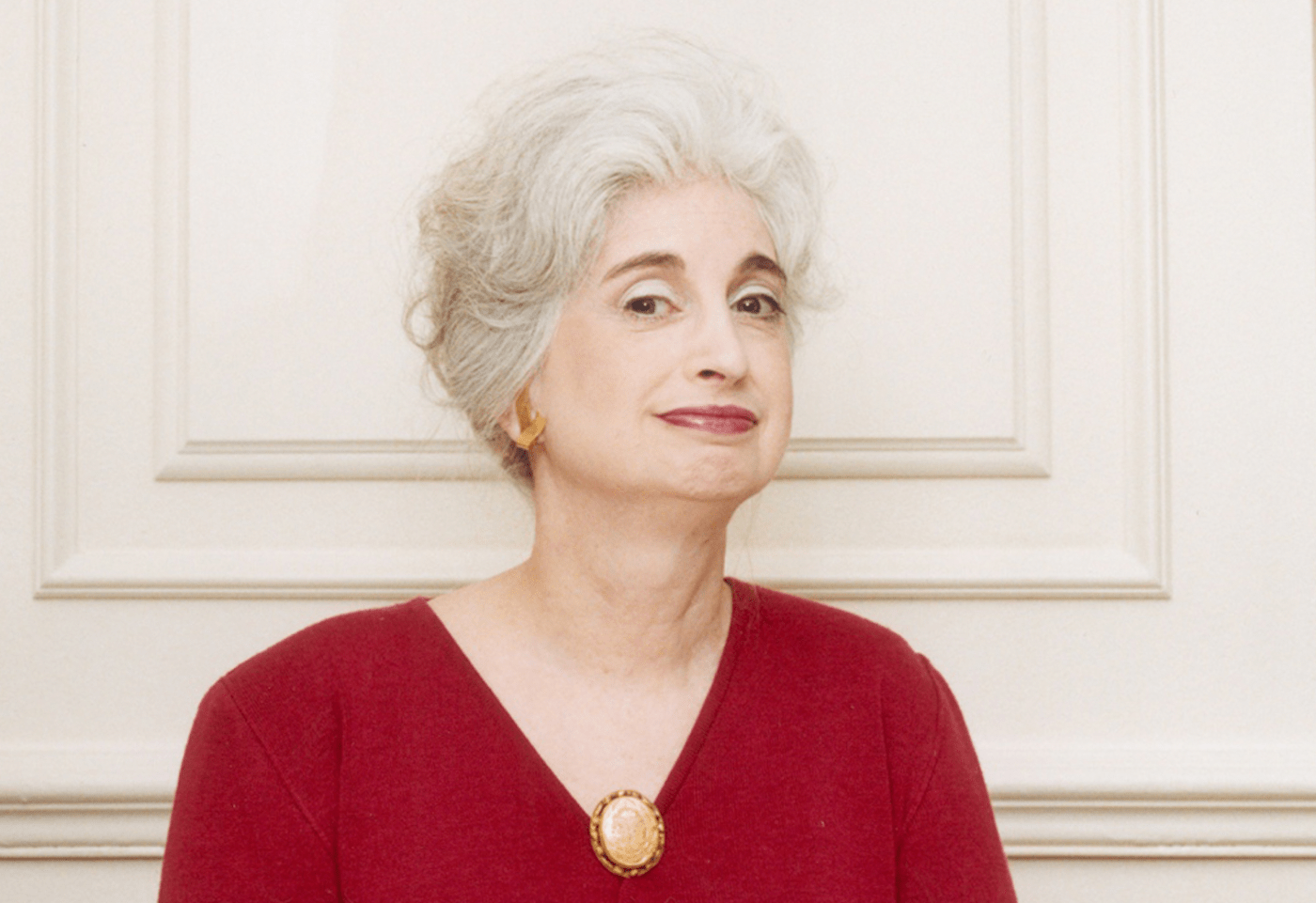
While the intention behind this approach is clear, Miss Manners, a well-known etiquette expert, provided insight into the complexities of such communication. According to her, there is no polite way to ask guests to indicate their ability to attend before sending formal invitations. It is crucial to remember that making assumptions about who will decline is risky, as circumstances can change unexpectedly.
In an ideal scenario, guests would respond to invitations within a week of receiving them, but this is often not the case. Miss Manners suggested that when the time comes for actual invitations, the hosts may find themselves following up with non-responders to confirm their attendance. If guests express uncertainty about their availability, a gracious response would be, “Oh, I’m so sorry. I know Brenda will be disappointed. But of course, we understand.”
The conversation continued with another inquiry about navigating personal interactions, specifically how to decline an invitation from someone who is not a suitable match. Many individuals face the challenge of rejecting advances without causing hurt feelings. The mother of the bride shared her attempts to decline invitations politely, often using reasons that she hoped would be understood.
Miss Manners noted that individuals typically do not appreciate being told they are unattractive, regardless of how delicately the message is conveyed. Instead of providing excuses that may lead to more questions or awkwardness, she advised a straightforward approach. A simple, “Thank you for asking, but no, I think not,” can effectively communicate a lack of interest.
When it comes to requests for contact details, Miss Manners recommended a slight variation on the usual response. Rather than outright declining, one could say, “Why don’t you just give me yours? But frankly, I’m not sure I’ll be able to call because I’ve been very busy.” This response maintains politeness while clearly setting boundaries.
In summary, while wedding planning is often fraught with emotional and logistical hurdles, approaching invitation management with clarity and sensitivity can ease some of the stress. Understanding the nuances of communication, whether it involves save-the-date cards or personal invitations, is key to maintaining relationships while navigating social obligations. For those seeking further guidance, Miss Manners encourages individuals to reach out through her website or email for personalized advice.