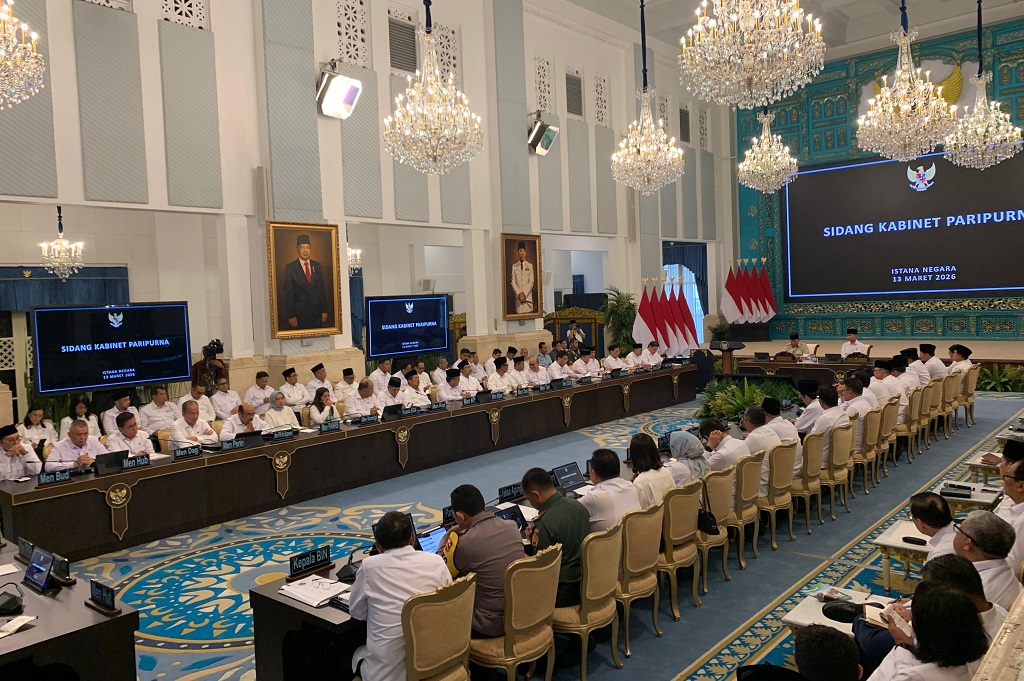
The Indonesian President, Prabowo Subianto, is evaluating potential salary reductions for ministers and members of the House of Representatives (DPR) as part of a broader strategy to implement cost-saving measures in response to the ongoing conflicts in the Middle East. This initiative has garnered a supportive reaction from M Sarmuji, Secretary-General of the Golkar Party, who expressed readiness from party members to accept pay cuts if deemed necessary.
Sarmuji emphasized that the proposed salary adjustments are not merely fiscal strategies but also reflect a sensitivity to the current national and global economic climate. In comments made on March 14, 2026, he stated, “If the country needs us, we are prepared to have our salaries cut.” This sentiment underscores a commitment to public service during challenging times.
Political Context and Financial Implications
The potential salary cuts come as Indonesia grapples with economic pressures stemming from international conflicts, particularly in the Middle East. The government is exploring various avenues to mitigate the financial impact of these global events on the national economy.
Sarmuji further elaborated that this move would not only serve as a measure of austerity but also demonstrate the government’s dedication to addressing the economic realities faced by the nation. He stated, “This is not just about savings, but a form of our willingness to be sensitive to the conditions at hand.” His remarks reflect a broader understanding among political leaders of their role in navigating economic difficulties.
The Golkar Party, a significant player in Indonesian politics, appears poised to support initiatives that align with national interest. As discussions continue, the implications of such salary adjustments could resonate throughout the political landscape, influencing both public perception and governmental operations.
As President Prabowo moves forward with this evaluation, the focus will remain on balancing fiscal responsibility with the need to maintain morale and public trust among government officials. The outcomes of these considerations will likely shape the future financial policies of Indonesia in the coming months.