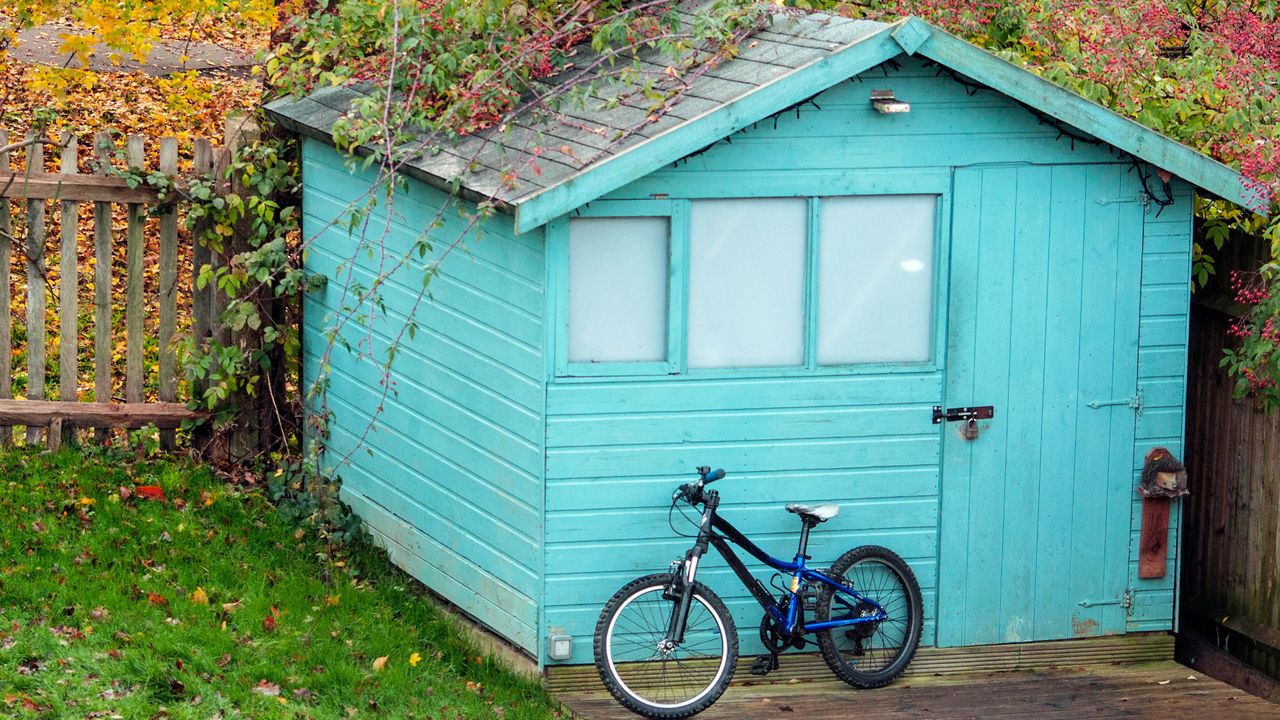
As winter approaches, shed owners must take proactive steps to prevent shed rot, a common issue that can lead to significant damage. Shed rot occurs when timber decays due to fungi feeding on moist wood, weakening the structure and potentially making it unsafe. By preparing your shed ahead of the colder months, you can avoid costly repairs and maintain its integrity.
Understanding the causes of shed rot is essential. Fungi thrive in damp conditions, so preventing moisture buildup is crucial. Here are three effective methods to keep your shed rot-free throughout winter.
Control Moisture Levels
The first step to preventing shed rot is to control moisture levels around your structure. Guttering plays a vital role in directing rainwater away from the shed. Regularly check and clear any debris from the gutters to ensure they function properly. Accumulations of leaves, soil, and weeds around the shed can trap moisture against the wood, creating conditions conducive to rot.
On dry, sunny days, take the opportunity to open your shed doors for a few hours. This practice helps promote airflow and reduces moisture levels inside the shed.
Reapply Waterproofing Measures
Even if your shed was waterproofed in the past, it’s important to reapply a protective coating annually. Use a water-based wood preservative to minimize environmental impact. These products are less toxic than oil-based alternatives and dry quickly, ensuring safety for surrounding plants and soil.
While waterproofing, inspect the roof for any holes or tears. Small openings can lead to significant rot damage if water enters. Additionally, replace any worn sections of wood to maintain the shed’s structural integrity. A comprehensive wood repair kit can help you achieve professional-looking results without the high costs associated with hiring a contractor.
Elevate the Shed Base
If your shed is resting directly on the ground, consider investing in a raised base. Elevating the shed can prevent moisture absorption from the soil. For new sheds, a base made from paving slabs laid over compacted sand or gravel is ideal. If you have an older shed that cannot be moved, you can still mitigate moisture by installing a perimeter drain and extending the roof overhang to direct water away from the base.
Taking these preventive measures now can save shed owners from unpleasant surprises in the spring, ensuring that your outdoor storage remains functional and safe. With minimal effort and cost, you can protect your investment and extend the lifespan of your shed.