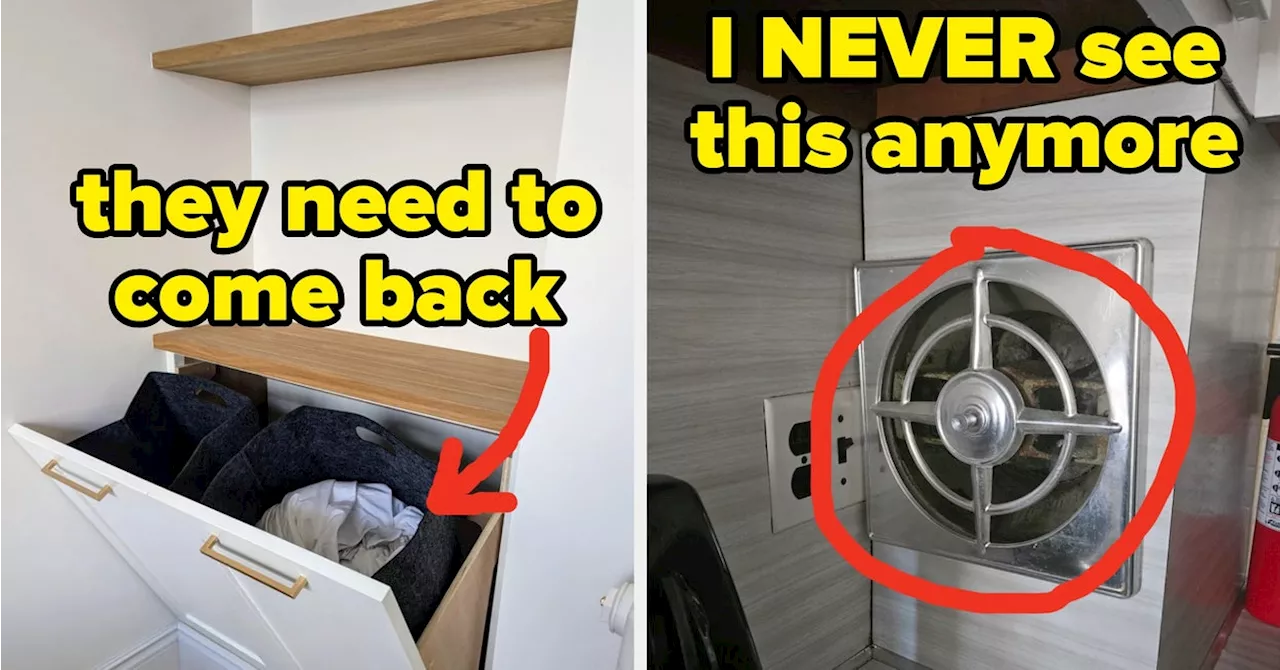
A wave of nostalgia is sweeping through home design discussions as readers express a desire for the return of older features that they believe offer greater functionality. Many are advocating for design elements such as built-in clothes hampers, Formica countertops, dedicated laundry rooms, and smaller showers, arguing that these attributes better meet the practical needs of daily life compared to contemporary trends.
Among the most discussed features is the built-in clothes hamper. One reader commented, “Bring back built-in clothes hampers in bathrooms. Just toss your dirty clothes in before your shower.” This design not only saves floor space but also eliminates the hassle of relocating hampers during cleaning. The practicality of this feature resonates with many, suggesting a shift back to utility over aesthetics.
Enduring Appeal of Classic Materials
Another element receiving renewed interest is Formica countertops. While modern stone countertops are often praised for their beauty, they come with higher costs and maintenance requirements. “Formica is inexpensive, easy to clean, and requires no maintenance,” a reader pointed out. This perspective emphasizes that kitchens should prioritize ease of cleaning and sanitizing, an aspect that many feel has been overshadowed by the push for luxury finishes.
The desire for physically separated rooms is also prevalent. A reader who chose a home built in the 1950s shared, “When I’m relaxing with a book in the living room or watching TV in the family room after dinner, I don’t want to see the kitchen and the pots and pans still to be washed.” This sentiment echoes a longing for distinct spaces that allow for privacy and a cleaner division of household activities.
The practicality of dedicated laundry rooms has also emerged as a topic of interest. One former resident of Glen Rock reminisced about a mudroom leading into a laundry area, facilitating the easy removal of dirty clothing. The convenience of having a designated space for laundry, separate from kitchens or living areas, is seen as a significant advantage that many modern homes lack.
Reassessing Shower Sizes and Home Layouts
The trend towards oversized showers has also drawn criticism. Many readers argue that large showers are often impractical, being cold, drafty, and difficult to clean. One comment succinctly summed up this perspective: “Who needs a shower this big? Make it big enough for two people if you want, or a wheelchair, if you have to, and that’s it!” This call for functionality suggests a shift in the conversation around bathroom design priorities.
Additionally, readers expressed nostalgia for traditional architectural features, such as front-facing living rooms. One individual lamented the loss of homes designed with visibility for seasonal decorations, stating, “My dream is to have my Christmas tree visible from the front window, and there just aren’t houses made like that anymore.” This highlights a yearning for designs that foster community and personal expression.
The conversation extends beyond aesthetics to include safety and well-being. Current housing developments often feature insufficient space between homes, leading to privacy concerns and heightened fire risks. As one reader noted, “Most new developments allow for 5-foot setbacks from the property line. Not only is this grossly inadequate for privacy, it’s a HUGE fire hazard.” This raises important discussions about urban planning and residential safety.
Among the other features mentioned were walk-in pantries, wood-burning fireplaces, and the return of overhead lighting in living spaces. Many readers advocate for the practical benefits these older designs offer, such as increased storage and improved functionality.
The growing discourse around these “outdated” trends indicates a collective reevaluation of what constitutes a functional and comfortable living space. As homeowners reflect on their preferences, it appears that a blend of nostalgia and practicality could reshape future design choices.
Readers are encouraged to share their thoughts on which older home design features they would like to see return in the comments section, engaging in a dialogue about the balance between modernity and tradition in home design.