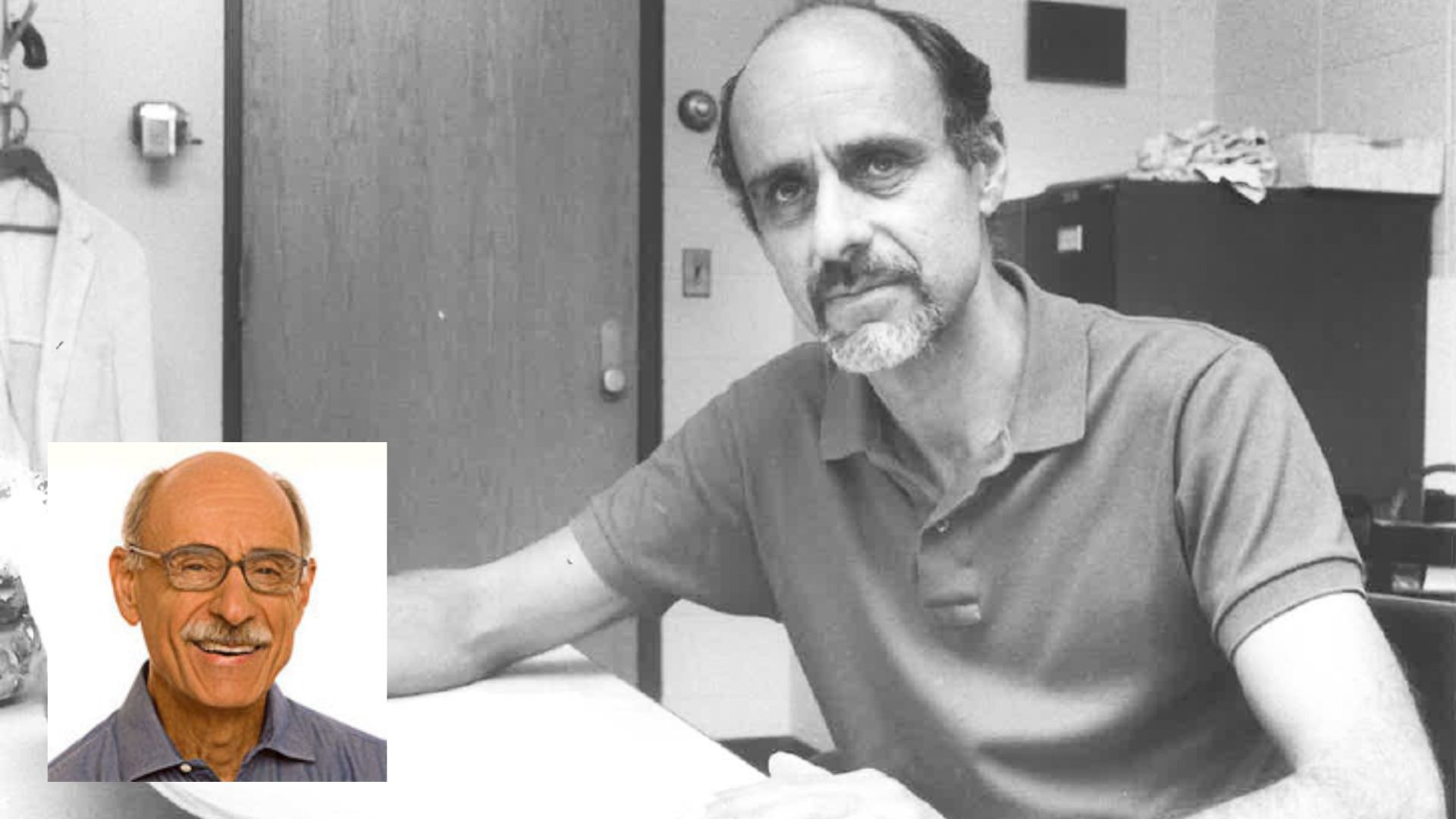
A retired professor from Brandeis University has made an exceptional contribution of $18 million to the institution, a gift that pays tribute to his family’s history and experiences during World War II. Peter Jordan, who taught chemistry at Brandeis for nearly 50 years before retiring in 2011, along with his wife Barbara Palmer, announced the donation on Friday. The funds will be directed towards advancing research in theoretical and physical chemistry, creating new professorships and graduate fellowships that will enhance the department’s future.
Jordan’s journey is deeply rooted in his family’s past. His parents fled Nazi Germany in the 1940s, seeking refuge in California, where they faced numerous challenges. His father, a qualified scientist, struggled to find employment in his field due to discrimination stemming from his Jewish heritage. Eventually, he secured a position in the defense industry, a common route for many European scientists escaping persecution. Despite these obstacles, he pursued his passion for innovation and developed one of the first widely used garbage disposals, a product that became a staple in American kitchens.
Reflecting on his father’s sacrifices, Jordan stated, “My becoming a professor was somewhat of a full circle moment for my father. His sacrifices helped make it possible for me to pursue a career that he once aspired to.” This sentiment underscores the profound impact of his family’s journey on his academic success.
After earning his bachelor’s degree from the California Institute of Technology and obtaining a PhD from Yale University, Jordan joined Brandeis University. His research focused on theoretical biophysical chemistry, contributing significantly to understanding complex biological systems with implications for medical science. Jordan’s work was funded by the National Institutes of Health, reflecting its relevance to both pure and applied sciences.
Teaching was a significant aspect of Jordan’s career. He found joy in inspiring students, especially those who were genuinely interested in chemistry for its own sake. He recalled a standout student, a classics major, who excelled in his freshman chemistry class due to her genuine curiosity. This experience emphasized Jordan’s belief that a passion for learning is more crucial than prior knowledge.
Barbara Palmer also played a vital role at Brandeis, serving in multiple administrative capacities, including associate dean and university registrar. Her contributions complemented Jordan’s academic pursuits, fostering a shared understanding of the university’s mission and the importance of their philanthropic vision.
The couple previously established the Jordan-Dreyer Endowed Summer Undergraduate Research in Chemistry Fellowship Fund in 2018, aimed at providing students with hands-on research opportunities. The newly announced donation expands their charitable commitment, supporting three interconnected initiatives within the Chemistry Department.
The gift will create a senior professorship in theoretical chemistry, allowing Brandeis to attract a distinguished scholar in the field. Additionally, it will fund a junior professorship in physical chemistry to support early-career faculty members. This structure aims to enhance the department’s capacity to nurture talent at all stages of academic development.
The donation will also establish three new graduate research fellowships, which will cover tuition and living expenses for PhD students. These fellowships are designed to alleviate financial burdens, enabling students to focus entirely on their research.
Jordan’s substantial gift comes at a crucial time for university chemistry departments, which face increasing competition for federal research funding. As such, private contributions are becoming essential for maintaining research excellence and recruiting top faculty. Brandeis University, founded by the American Jewish community in 1948, prides itself on scholarly achievement and social justice, values that resonate with Jordan’s family history.
The significance of this donation extends beyond its financial value; it represents a tribute to Jordan’s parents and their determination to seek a better future. Brandeis University President Arthur Levine expressed gratitude for the donation, recognizing its transformative potential. “Peter and Barbara’s extraordinary gift will have a transformative impact on chemistry research and education at Brandeis for generations to come,” he remarked.
As Brandeis works to implement the provisions of the gift, the Chemistry Department will gain a competitive edge in faculty recruitment and student support. The endowed positions will enhance the university’s profile and commitment to chemistry research, attracting prospective students and scholars alike. With this legacy, Peter Jordan not only honors the aspirations of his father but also ensures that future generations of chemists are equipped with opportunities that once seemed unattainable.