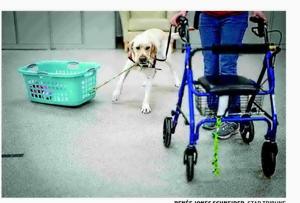
The capabilities of service dogs are expanding significantly, providing vital assistance to individuals with disabilities. A recent demonstration highlighted Teddy, a three-year-old yellow Labrador, showcasing his impressive skills. In a short span of time, Teddy effectively pressed a wall button, opened a kitchen cabinet by tugging on a rope, and pulled a walker across the floor. These actions exemplify how service dogs are increasingly becoming essential companions, enhancing independence for their owners.
The growing recognition of service dogs’ potential is reshaping perceptions about disability assistance. Traditionally viewed merely as companions, these animals are now recognized for their diverse roles in aiding individuals with various needs. Organizations like the National Service Animal Registry are advocating for broader training programs that equip dogs with specific skills tailored to their owners’ requirements.
Expanding Roles in Disability Assistance
Service dogs are being trained to perform a variety of tasks that go beyond traditional support roles. For example, they can assist individuals with mobility challenges by retrieving objects, opening doors, and even providing stability when walking. This level of assistance allows individuals to navigate their environments more confidently and independently.
Teddy’s training reflects a growing trend among service dog programs to incorporate advanced skills into their training regimens. Many programs are now focusing on the specific needs of each individual, ensuring that the dog is prepared to assist with unique challenges faced by their owners. Such personalized training has been shown to improve the quality of life for many, enabling them to engage more fully in daily activities.
Research indicates that the presence of a service dog can lead to significant improvements in mental health as well. The companionship of a service dog can reduce feelings of anxiety and depression among individuals coping with disabilities. This emotional support, combined with practical assistance, underscores the multifaceted benefits that service dogs provide.
Training and Certification Standards
To ensure that service dogs are well-prepared for their roles, rigorous training and certification standards are essential. Organizations dedicated to training service dogs are implementing comprehensive programs that include obedience training, task-specific skills, and socialization techniques. These programs often span several months, with dogs undergoing assessments to confirm their readiness for service.
The commitment to high training standards is crucial, as it ensures that these animals are reliable and effective in their roles. As more people recognize the potential of service dogs, the demand for qualified training programs is expected to rise. This increase in demand may lead to the establishment of new training facilities and resources to support the growing population of service dogs.
The evolution of service dogs is a testament to their adaptability and the important roles they play in society. As organizations continue to advocate for the rights and recognition of these animals, their impact on the lives of individuals with disabilities will only become more significant. The future looks promising for the service dog community, with innovations in training and support paving the way for enhanced independence and quality of life for many.