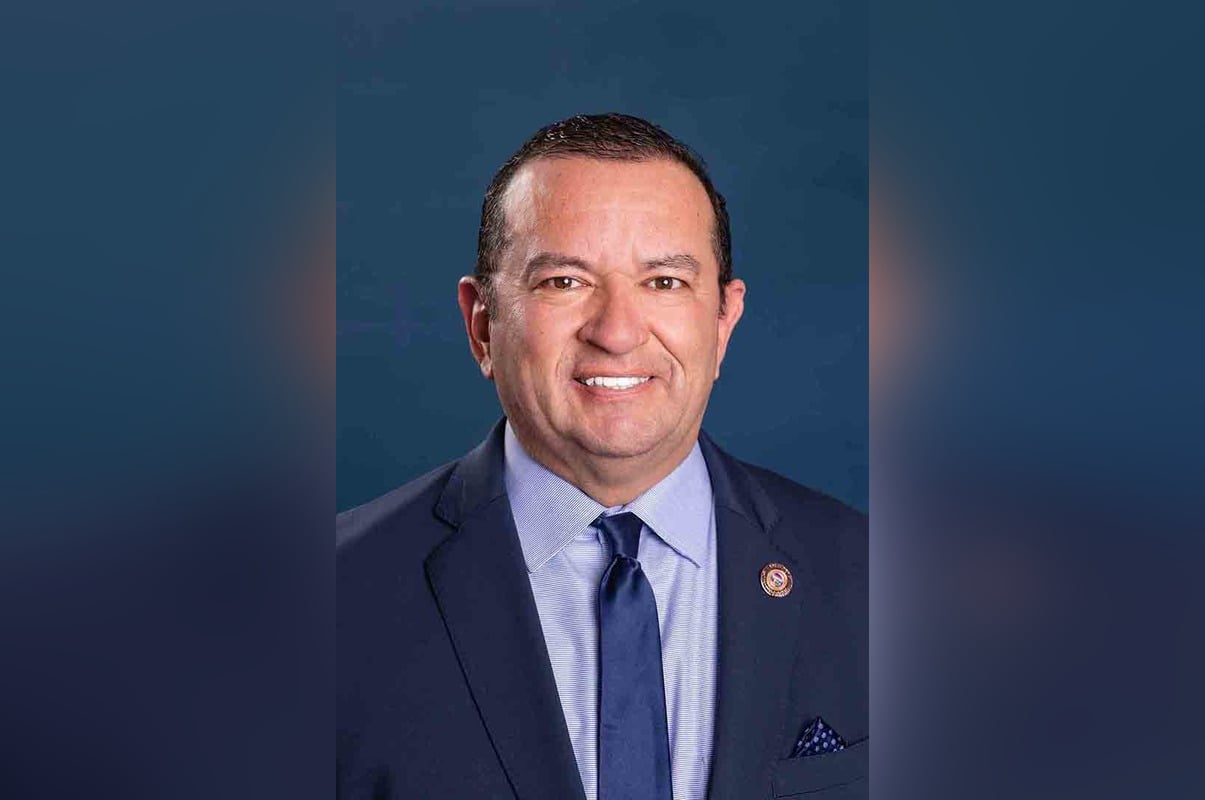
A new legislative proposal in Arizona seeks to alleviate beef prices by cutting taxes on rancher infrastructure. Introduced by Rep. Chris Lopez, House Bill 2152 aims to exempt certain upgrades on grazing lands from the state transaction privilege tax. This initiative is designed to support ranchers and ultimately reduce costs for consumers.
The bill specifically targets essential infrastructure improvements, including fence lines, drinking troughs, water lines, and storage tanks. These upgrades play a crucial role in maintaining the health and safety of cattle, while also benefitting local wildlife. According to AZLeg.gov, Lopez noted, “Families are paying more for beef every time they check out at the grocery store.” He emphasized that the legislation intends to lower expenses that are inevitably passed on to consumers, thereby providing financial relief for households.
Current state law presents challenges by classifying improvements made on federal grazing land as federal property once they are installed, despite ranchers footing the bill. Lopez pointed out that ranchers receive no reimbursement when ownership transfers, yet Arizona continues to collect state sales tax on these improvements. He stated, “At a time when federal land policies already make ranching harder, Arizona should not be adding another layer of cost.”
Supporting Arizona Ranchers
The proposed legislation directly impacts ranchers who manage public grazing lands across Arizona. Lopez, a Republican representing parts of Pinal and Pima counties in Legislative District 16, aims to champion the interests of these crucial contributors to the state’s agricultural economy. By removing the transaction privilege tax on infrastructure improvements, the bill seeks to foster a more favorable environment for ranching.
This proposed tax exemption has the potential to enhance the financial viability of ranching operations, which are essential for maintaining a stable beef supply in Arizona. As ranchers invest in necessary upgrades, the hope is that these savings will translate into lower beef prices for consumers.
The introduction of House Bill 2152 reflects a growing recognition of the challenges faced by the ranching community. As the cost of living continues to rise, legislative measures like this one may play a significant role in stabilizing prices in the agricultural sector.
The bill is now slated for discussion in the Arizona House of Representatives. If passed, it could mark a significant step towards easing the financial pressures on ranchers and consumers alike.
In a state where agriculture is deeply woven into the fabric of local economies, policies that support ranchers are vital. As this legislative process unfolds, the implications for both the ranching community and consumers will be closely observed.