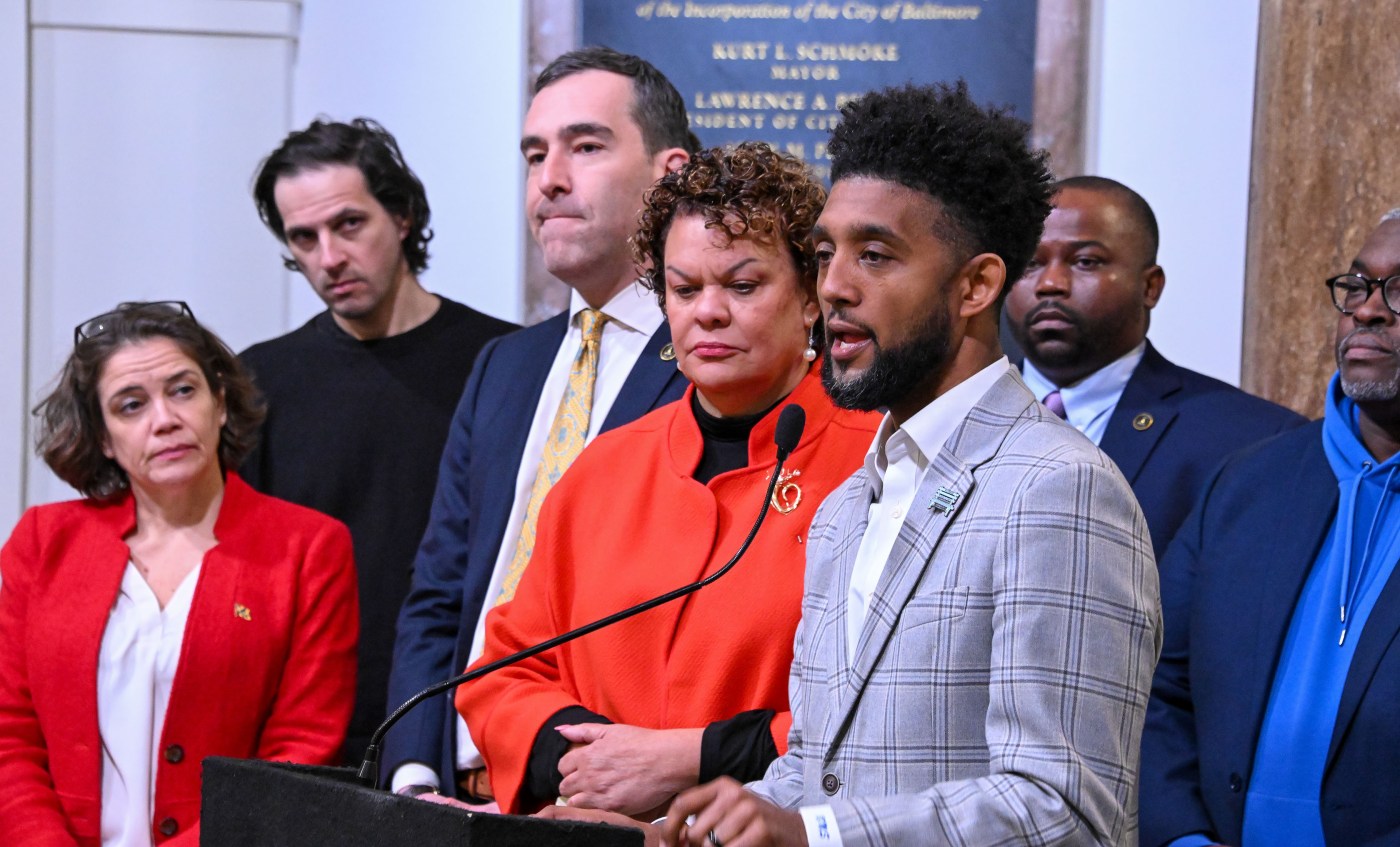
Concerns over accountability in Baltimore’s nonprofit sector have intensified following recent scrutiny of financial practices within organizations funded by the office of Mayor Brandon Scott. A report published on February 21 highlighted allegations of “sloppy” finances within one nonprofit, raising questions about oversight and financial integrity in the city.
Critics argue that accountability is not a priority for either the government or the citizens of Baltimore. These sentiments were echoed in a commentary by Andrew G. Kelly, a resident from Sparks Glencoe, who expressed disbelief that anyone could expect accountability from Baltimore’s nonprofits. He pointed to a series of lawsuits filed by the city against various industries, suggesting that these actions reflect a broader culture of evading responsibility.
Litigation Against Industries
Kelly’s commentary outlined several notable lawsuits. Baltimore has taken legal action against tobacco companies, contending that these firms contributed to health issues in the community, despite widespread knowledge of the dangers of smoking. Similarly, the city has sued gun manufacturers, attributing local gun violence to the availability of firearms, particularly in situations involving minor disputes.
The city has also pursued legal claims against pharmaceutical companies and pharmacies, citing the misuse of prescription drugs by residents. Additionally, Baltimore has challenged financial institutions over predatory lending practices, which have left many citizens trapped in cycles of high-interest debt.
Moreover, the city has initiated lawsuits against fossil fuel companies, linking their activities to climate change impacts felt within Baltimore. Recent efforts have also targeted online gambling companies for their role in fostering gambling addiction among residents, leading to significant personal financial distress.
Culture of Accountability
Critics like Kelly argue that these lawsuits illustrate a troubling trend where the city seeks to place blame on external entities instead of addressing underlying issues within the community. He asserts that expecting accountability from Baltimore’s nonprofit organizations is ultimately misguided, as it reflects a deeper societal pattern of evasion.
As Baltimore navigates these complex issues, the question of how to foster a culture of accountability remains at the forefront. Many community members are calling for better oversight and transparency within nonprofits, particularly those handling public funds.
The challenges facing Baltimore’s government and its citizens highlight the need for a concerted effort to promote accountability and responsible governance. Without significant changes, the cycle of litigation and blame may continue, further complicating the city’s ability to address its pressing social and economic issues.