Cancer-stricken children are pleading with lawmakers for the passage of a critical health care bill designed to improve treatment options for pediatric cancer patients. The urgency stems from the recent blockage of the Mikaela Naylon Give Kids a Chance Act by Senator Bernie Sanders, who has faced backlash for his decision. The bipartisan legislation aims to ensure that children diagnosed with cancer have access to essential treatments and clinical trials.
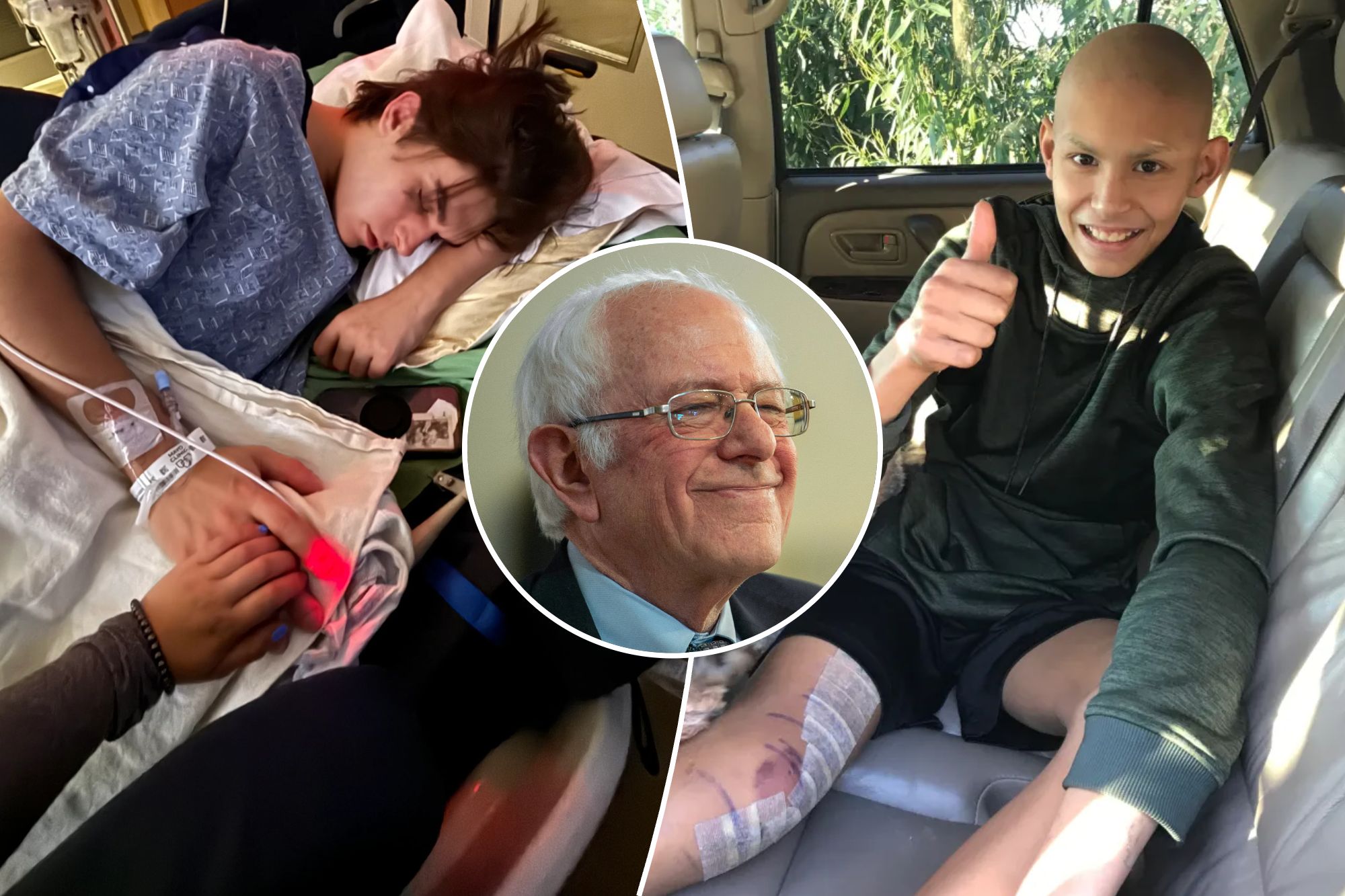
Among those advocating for the bill is Jacob Knudsen, an 18-year-old college freshman at California State Long Beach. Knudsen, who is currently undergoing diagnostic tests to determine if he has cancer in his lungs, has faced a harrowing battle with the disease since being diagnosed with osteosarcoma at age 12. He has undergone 21 surgeries and numerous rounds of chemotherapy and radiation. “I’m willing to do anything just to survive,” Knudsen said, illustrating the desperate circumstances faced by many young patients.
The Mikaela Naylon Give Kids a Chance Act was inspired by Knudsen’s friend, Mikaela Naylon, who passed away from osteosarcoma at the age of 16. The bill, which received unanimous support in the House, was intended to facilitate pediatric cancer research and treatment. However, Sanders blocked its progress in the Senate, demanding additional provisions related to community health centers before he would support it. This decision has drawn significant criticism, with some labeling him as “evil” for obstructing a bill that could save lives.
Nancy Goodman, executive director of Kids V Cancer, expressed her frustration over the Senate’s inability to pass such a crucial piece of legislation. “This is a bill that has bipartisan support that saves the lives of children with cancer that costs taxpayers nothing, and yet they can’t pass it,” she stated. Goodman, who lost her son to cancer in 2009, highlighted the emotional toll on families navigating the complexities of pediatric cancer treatment.
The Mikaela Naylon Act aims to secure funding for innovative clinical trials and encourage pharmaceutical companies to develop new treatments specifically for children. Goodman emphasized that the bill would ensure the most promising pediatric cancer studies are conducted, potentially leading to breakthroughs in treatment.
Knudsen, alongside other young patients, is now appealing to Sanders to reconsider his position on the bill. “We need heroes. You have a chance to be a hero,” he urged, underscoring the profound impact that lawmakers can have on the lives of children battling cancer. He added, “You would rather die yourself than have them go through that,” a sentiment echoed by many families affected by cancer.
Anderson Coy, a 21-year-old diagnosed with Diffuse Intrinsic Pontine Glioma (DIPG), shared his perspective on the urgent need for legislative change. “When 16,000 kids under the age of 20 are diagnosed with pediatric cancer every year, it’s upsetting to see decisions being made that delay essential support,” said Coy’s mother, JuliAn. Their determination to see the Mikaela Naylon Act passed reflects the frustrations of countless families who feel their children’s lives are at stake.
The current landscape of pediatric cancer treatment is dire, with Coy’s diagnosis highlighting the stagnation in research and treatment options for certain types of cancer. “There’s been no progression in curing treatment since the 1960s, and the survival rate is less than 2%,” JuliAn pointed out, emphasizing the critical need for new legislation.
Knudsen’s resilience is a testament to the strength many young cancer patients exhibit despite their battles. He graduated high school on time and is determined to advocate for the passage of the Mikaela Naylon Give Kids a Chance Act, viewing it as an investment in the future of America’s children. “How many children have died from cancer? How many of those were the next Albert Einstein that never made it?” he asked poignantly.
Despite the challenges, both Knudsen and Coy remain hopeful that the bill may resurface in the Senate. They, along with their advocates, continue to push for change, emphasizing the urgency and necessity of improving pediatric cancer treatment options. As Knudsen aptly stated, “The sooner we pass acts like this, the more lives we save.”