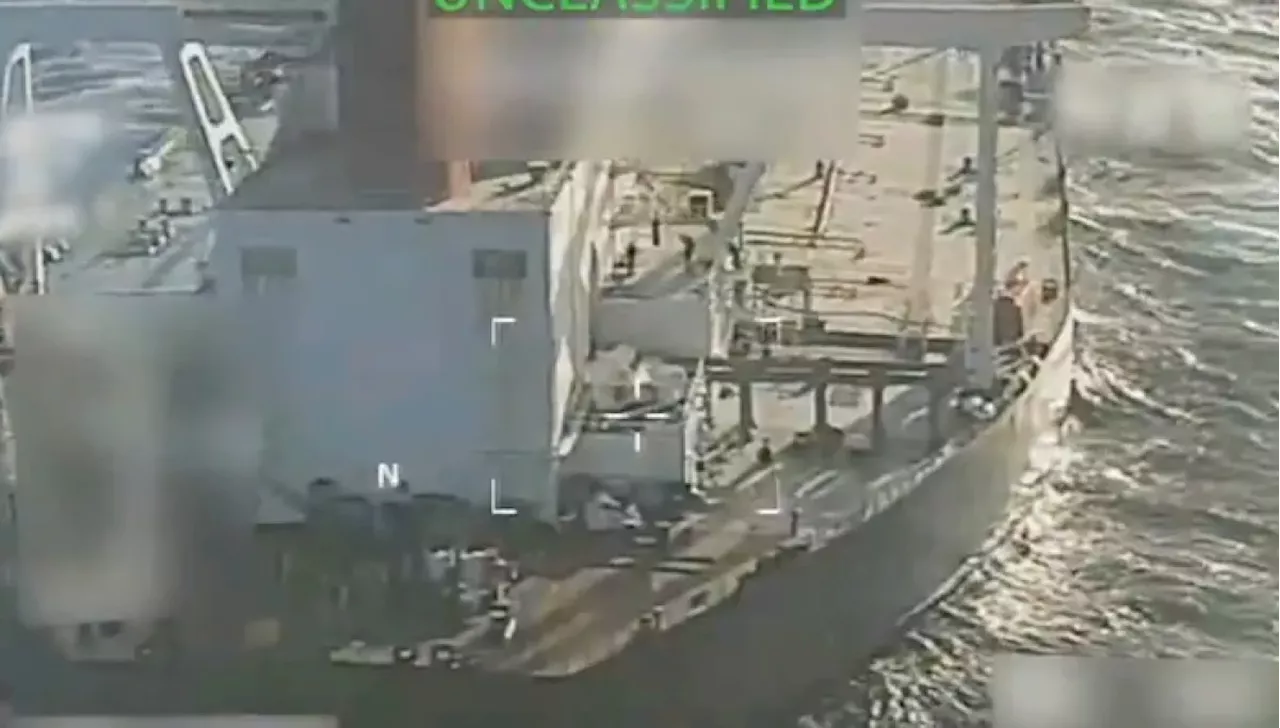
The Central Intelligence Agency (CIA) has reportedly conducted its first land strike in Venezuela, following an authorization by former President Donald Trump in October 2023. This operation involved a drone strike targeting a dock believed to be utilized by the Tren de Aragua gang. No casualties were reported from the attack, which took place at a remote location.
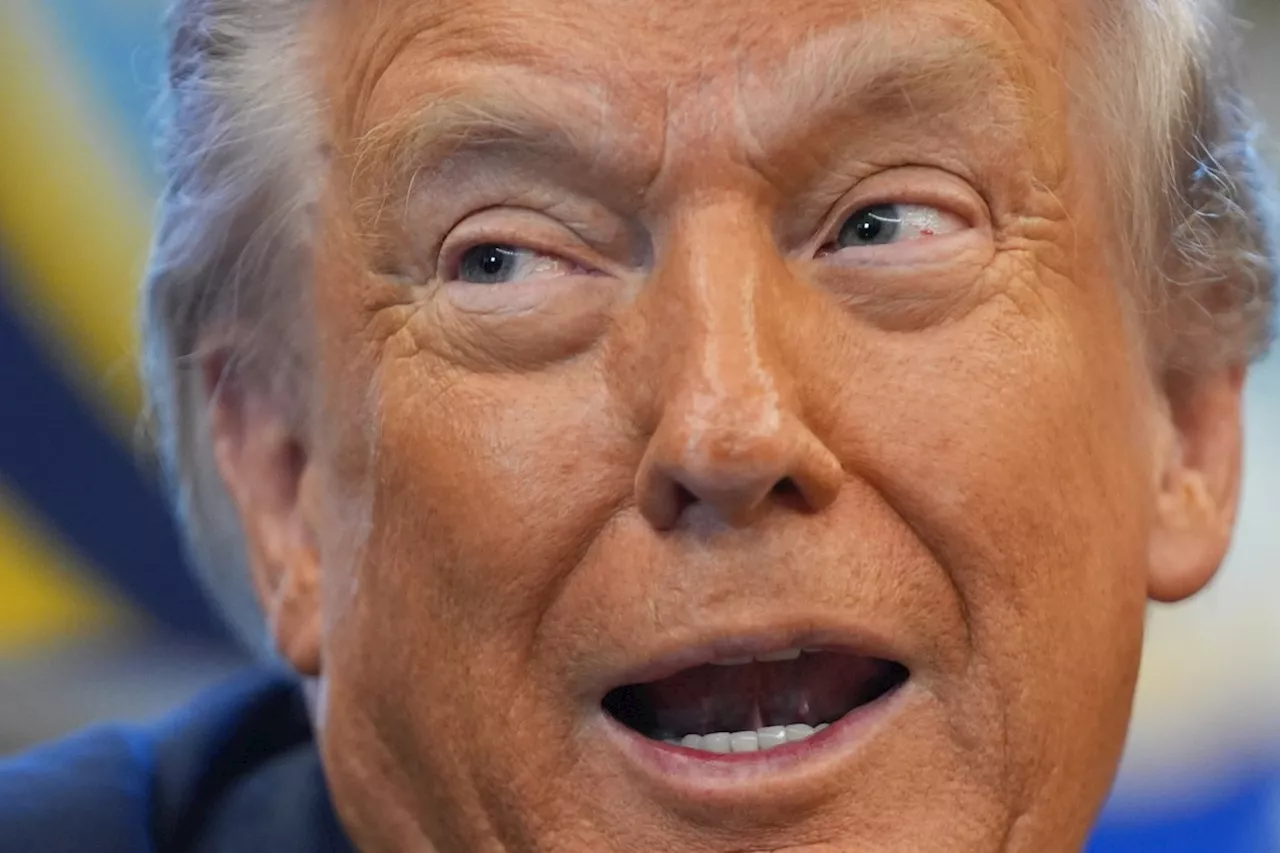
During an interview with radio hosts John Catsimatidis and Rita Cosby, Trump hinted at the operation, stating, “We just knocked out — I don’t know if you read or you saw — they have a big plant or big facility where they send the, you know, where the ships come from.” He elaborated further during a press conference alongside Israeli Prime Minister Benjamin Netanyahu in Florida, describing the strike as a “major explosion” at the dock area used for loading boats with drugs.
The drone strike is part of a broader U.S. military campaign targeting drug trafficking in the region. Since the first strike on September 2, over 100 individuals have reportedly been killed in operations against alleged drug trafficking boats. The recent strike marks a significant shift in U.S. tactics, moving from maritime to land-based operations.
U.S. Special Operations Forces were said to have provided intelligence support for the drone strike. However, Col. Allie Weiskopf, a spokesperson for the U.S. Special Operations Command, denied this claim, complicating the narrative surrounding the operation.
Despite this new focus on land operations, the U.S. military continued its maritime campaign on the same day as the drone strike, conducting its 30th strike and reportedly killing two suspected drug traffickers. The ongoing military efforts highlight the U.S. government’s commitment to combating drug trafficking networks linked to Venezuela.
The implications of U.S. military actions in Venezuela have drawn attention from both political analysts and international observers. While some view the operations as necessary to disrupt drug trafficking, others warn that such interventions could escalate tensions between the U.S. and the Venezuelan government.
As the situation develops, questions remain about the long-term strategy and potential consequences of U.S. involvement in Venezuela. The recent actions signify a notable escalation in this complex geopolitical landscape.