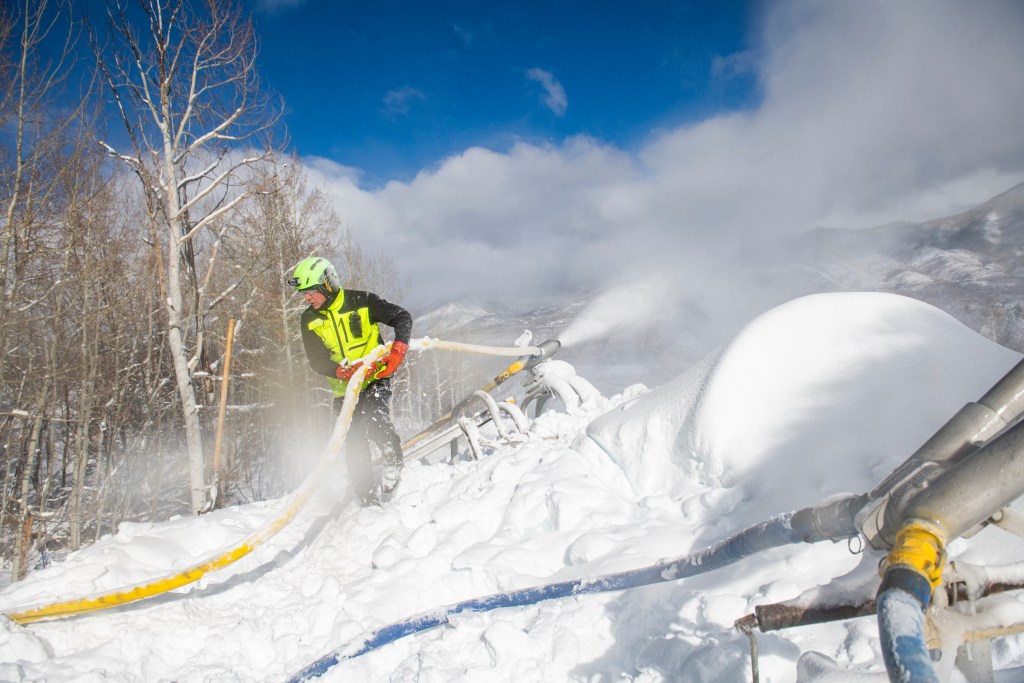
Concerns about Colorado’s diminishing snowpack have intensified following a recent three-part series in the Denver Post, titled “Endangered Snowpack,” which examined the impacts of climate change on the ski industry. The articles, published from February 15 to 17, 2024, have prompted a range of responses from readers, highlighting the need for a comprehensive discussion around the complex factors influencing snowfall and water availability.
Some readers, like William Turner from Denver, argue that the Denver Post’s focus on climate change overlooks important contextual information. Turner emphasized that the region has experienced typical snow and temperature patterns over the past five years, suggesting that recent weather may not indicate a long-term trend. He pointed to significant cold and snowfall in the eastern United States this year, which he believes challenges the Post’s narrative on climate variability.
Others, such as John Contino from Golden, expressed skepticism about the Post’s projections for ski resort operations in the coming decades. Contino criticized the article for presenting data solely from the near future, arguing that historical data from previous decades is crucial for understanding long-term trends in snowfall. He noted the absence of graphs detailing ski days from years like 2015 or 2000, calling for a more thorough examination of historical snowfall metrics.
The series also addressed the implications of current drought conditions on the Colorado ski industry. Richard Emerson of Denver highlighted the ongoing negotiations between Colorado River states regarding water allocation, particularly as ski resorts rely heavily on river water for artificial snow production. He warned that the state’s political climate, characterized as a “blue state,” may complicate its position in negotiations, especially with the federal government potentially intervening.
The debate surrounding energy policy has also surfaced in response to the Post’s coverage. Chris Hoffman from Boulder criticized the framing of energy policy as a mere moral choice, arguing it also presents systemic challenges. He pointed out that the scientific consensus attributes climate change to fossil fuel consumption, underscoring the need for a transition to cleaner energy sources. Colorado has made strides in this area, recently becoming the leading state in electric vehicle sales, accounting for 25.3% of new sales in the United States.
In a lighter tone, Craig Marshall Smith from Highlands Ranch reflected on the role of dogs during challenging times, particularly during the pandemic. He noted how pets have evolved into essential companions, providing comfort in an increasingly tumultuous world.
Finally, David Shaw of Highlands Ranch addressed broader societal issues, questioning why political discourse often emphasizes increasing birth rates without providing adequate support for families. He criticized current Republican policies that restrict access to childcare and healthcare, arguing they contradict the desire for more children in a climate of rising living costs.
As the conversation around Colorado’s snowpack and resource management continues, the implications for the ski industry and broader environmental policy remain significant. The ongoing dialogue reflects diverse perspectives, underscoring the complexities of climate change and its impact on local communities.