A group of Democratic lawmakers in the United States has drawn sharp criticism for publicly encouraging military personnel to disregard orders they deem unlawful. This call to action has sparked a debate reminiscent of historical tensions during the Civil War, particularly the actions of the “Copperheads,” a faction within the Democratic Party that opposed President Abraham Lincoln’s policies.
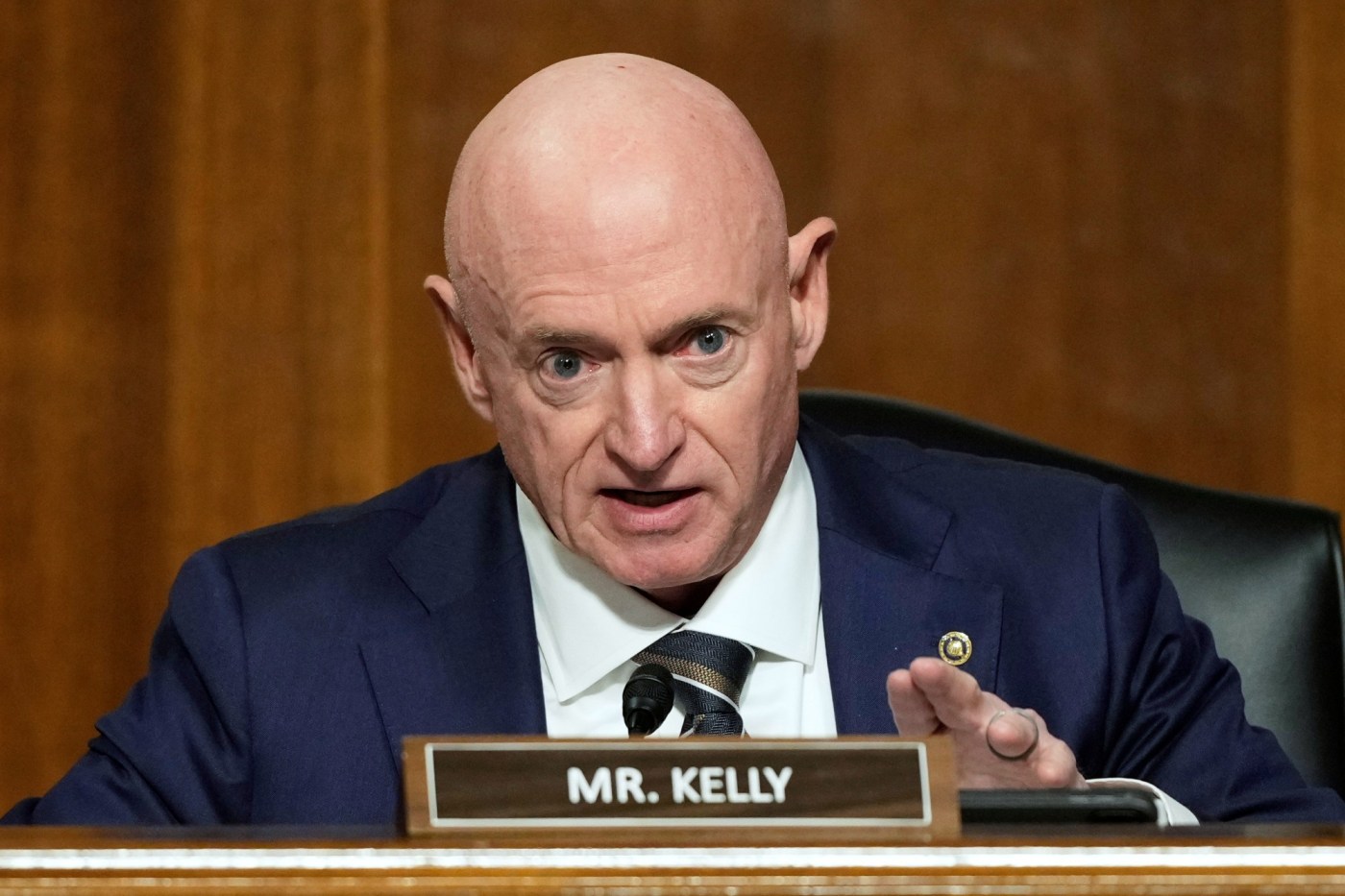
Senators Elissa Slotkin (D-Mich.) and Mark Kelly (D-Ariz.), alongside their House colleagues, have positioned themselves as advocates for service members questioning the legality of their orders. Their statements express solidarity with military personnel, claiming, “We have your back.” Critics argue that this stance could undermine military discipline and unity, leading to dangerous precedents.
The historical parallels are striking. Lincoln, in a letter dated June 1863, questioned the morality of punishing soldiers for desertion while allowing political agitators to incite rebellion. This sentiment echoes today, as modern critics liken current lawmakers to the Copperheads of Lincoln’s era, who actively sought to weaken Union forces.
The lawmakers have yet to clarify which specific orders they consider illegal, leaving their statements open to interpretation. As such, many military experts and political commentators view this ambiguity as potentially harmful, suggesting that it could lead to a divided military where individual service members pick and choose which commands to follow.
In a 2007 review by Mackubin T. Owens of Jennifer Weber’s book, “Copperheads: The Rise and Fall of Lincoln’s Opponents in the North,” he highlights how the actions of the Copperheads significantly hampered Lincoln’s administration during the Civil War. The Copperheads not only encouraged desertion but also sowed discord within the ranks, which forced the Union Army to redirect its resources to maintain order at home rather than focusing on the battlefield.
Owens notes that the Copperheads’ inflammatory rhetoric is reminiscent of today’s political discourse. For instance, Marcus M. “Brick” Pomeroy, a prominent Copperhead newspaper editor, published vehement criticisms of Lincoln, describing him as a “tyrant.” This kind of incendiary language appears to have resurfaced in contemporary politics, raising concerns about the implications for national security.
The dangers of politicizing the military are underscored by historical accounts. Many Union soldiers expressed a greater disdain for the Copperheads than for Confederate forces, believing that betrayal could emerge from within their own ranks. A letter from Indiana soldiers captures this sentiment, condemning Copperhead sympathizers as “cowardly traitors” who jeopardized the Union’s efforts.
Democratic leaders advocating for military dissent might be playing a risky game, as historical evidence suggests that undermining military cohesion can have dire consequences. The political ramifications could also be significant, potentially alienating voters who prioritize a stable and unified military.
As this debate unfolds, it is essential for politicians to reflect on the broader implications of their actions. The actions of the current lawmakers could have profound effects on both the military and their own political futures. The call for service members to resist orders not only threatens military discipline but also raises questions about loyalty and responsibility in governance.
In a broader context, the discussion of military loyalty ties back to President Lincoln’s values. In 1863, he established Thanksgiving as a national holiday, emphasizing gratitude and reflection. He issued calls for prayer and thanksgiving, urging citizens to recognize the blessings of peace and prosperity while acknowledging their duty to uphold the nation.
As Thanksgiving approaches, this historical perspective serves as a reminder of the importance of unity and the need for leaders to prioritize the interests of the country over partisan gains. The challenge remains for all Americans to discern between leaders who genuinely wish to serve and those who exploit their positions for personal advantage.
As discussions continue, the hope is for a commitment to national integrity and the well-being of the American military, fostering an atmosphere of respect and unity rather than division.