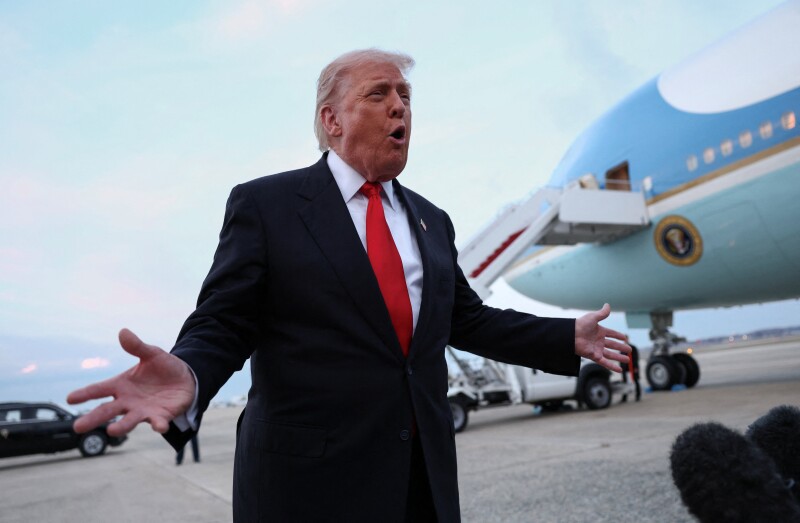
Transport Secretary Sean Duffy has sparked a heated discussion regarding passenger behavior on flights by urging travellers to “dress with respect.” This appeal, however, has encountered significant backlash, drawing comparisons to former President Donald Trump‘s dismissive remarks toward a female reporter on Air Force One. Duffy’s observation about a “degradation of civility” among air travelers resonates with many, yet it also highlights the broader frustrations surrounding modern air travel.
In 2022, the Federal Aviation Administration reported a staggering 1,240 cases of unruly passenger behavior, not accounting for countless instances of rudeness or inappropriate attire, such as wearing pajamas on flights. Duffy’s call for a more respectful dress code has been met with passionate responses, particularly from those who argue that the decline in service quality from airlines justifies a more relaxed approach to clothing.
One notable response came from Vogue Magazine, which published an article titled, “I Will Start Dressing Respectfully When Airlines Start Respecting Me.” The piece criticized societal pressure to dress for comfort, suggesting that the idea of being shamed for casual attire is inappropriate. The author contended that dressing comfortably should not be equated with a lack of respect.
In rebuttal, it is essential to clarify that the call for respectful attire is not about personal comfort but rather about consideration for others. Dressing neatly does not require formal wear; simple, clean clothing can convey respect for fellow passengers and airline staff. The airline industry has increasingly faced complaints regarding cramped seating, flight cancellations, and additional fees for basic services. Yet, passengers often overlook the impact of their attire on the overall flying experience.
Flight attendants frequently bear the brunt of passenger disrespect, making Duffy’s request particularly relevant. By presenting a more polished appearance, travelers contribute to a more pleasant atmosphere on board.
A personal anecdote illustrates this point: an elderly gentleman I knew, who traveled in economy class, always dressed in a blazer, pressed shirt, and tie. During one flight, he received special attention from the flight attendants, who praised his attire and expressed a desire for more passengers to follow suit. His respectful demeanor resulted in a delightful exchange, proving that a little effort can foster goodwill.
While legitimate grievances about air travel persist, such as uncomfortable seating and service quality, these issues will continue to thrive if passengers do not hold themselves accountable for their behavior. Many people choose budget airlines for cost-effectiveness, which can lead to compromises in service. Yet, opting for a more respectful appearance can elevate the experience for everyone on board.
The conversation surrounding decorum in air travel reflects broader societal norms. Leaders in various sectors often set poor examples, and maintaining low standards should not be the goal. Instead, striving for civility and respect in public spaces, including airplanes, is essential for a more enjoyable travel experience.
Ultimately, Duffy’s plea for a dress code encourages a cultural shift towards greater respect for fellow travelers and the hard-working staff who navigate the challenges of the airline industry. Embracing this ethos could lead to a more pleasant flying experience for all.