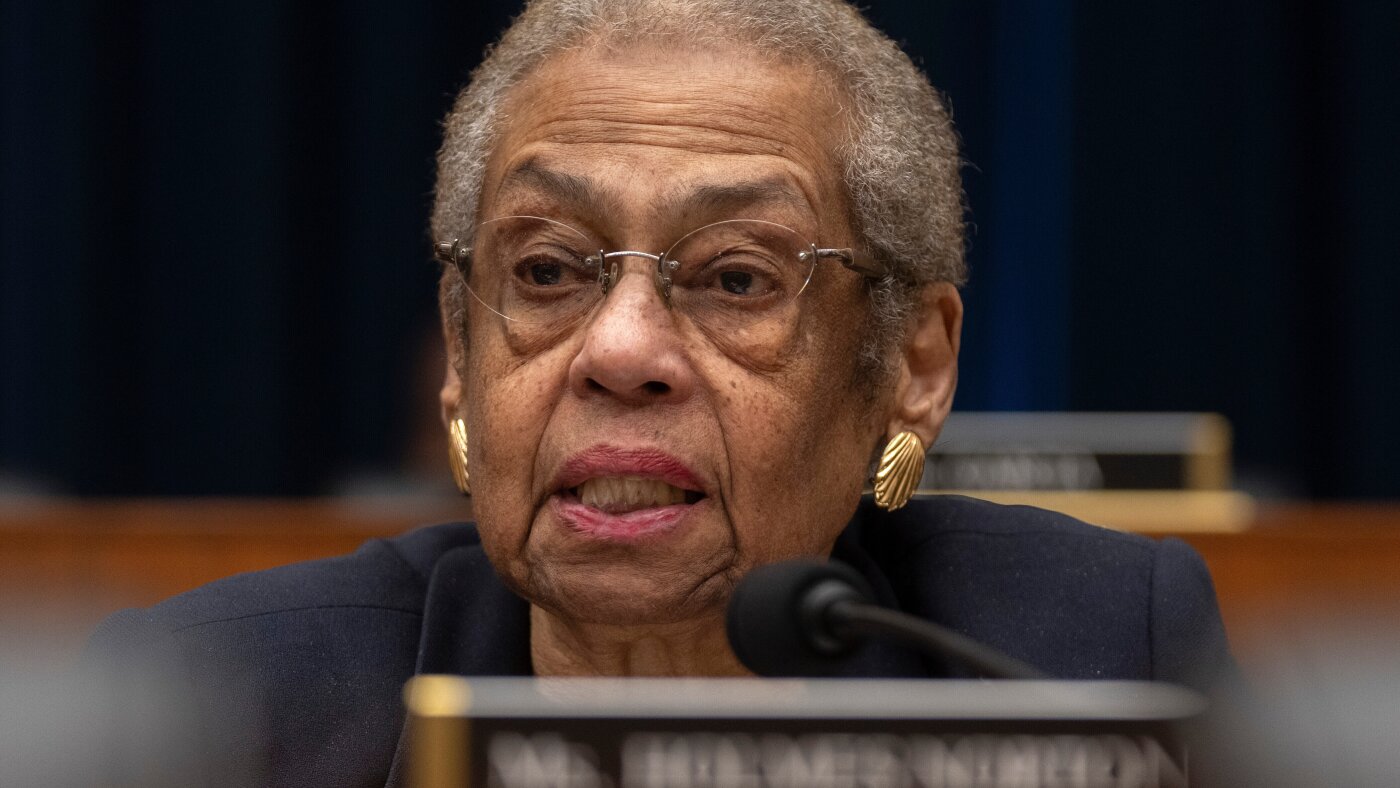
Eleanor Holmes Norton, the long-serving delegate for the District of Columbia, has officially ended her campaign for reelection, marking the likely conclusion of her decades-long career in public service. At 88 years old, Norton has represented D.C. in Congress since 1991, becoming a prominent figure in American politics and a veteran of the Civil Rights Movement.
Norton filed the termination paperwork with the Federal Election Commission on November 5, 2023, indicating her decision to retire. While her office has not issued an official statement, the news was first reported by NOTUS. Following her announcement, D.C. Mayor Muriel Bowser expressed her congratulations on social media, praising Norton’s dedication: “For 35 years, Congresswoman Norton has been our Warrior on the Hill,” she wrote. “Her work embodies the unwavering resolve of a city that refuses to yield in its fight for equal representation.”
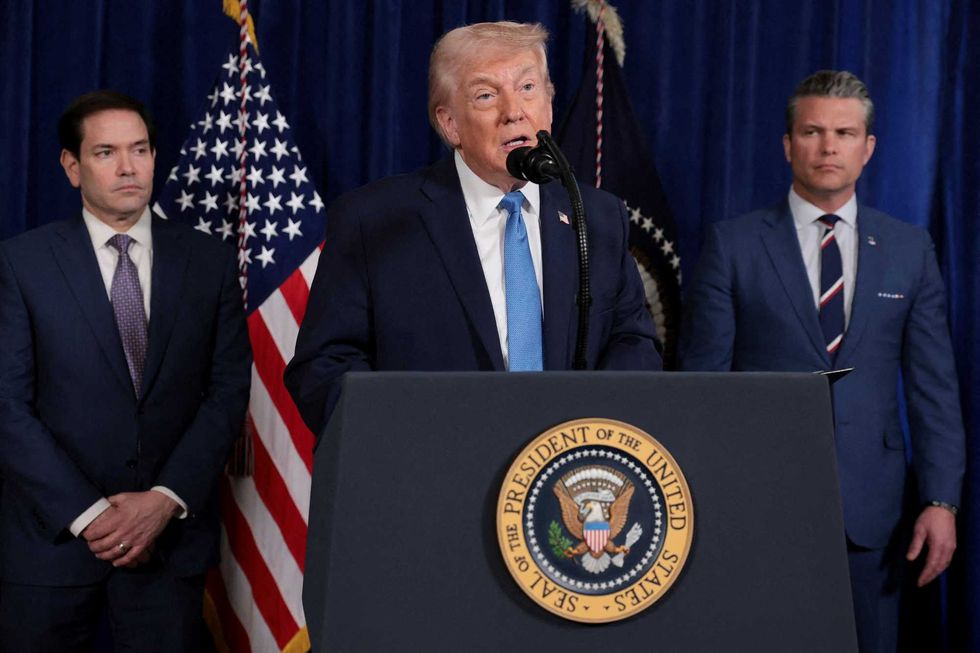
As the sole representative of D.C., Norton faced growing challenges regarding her effectiveness, particularly during the Trump administration, which implemented significant federal interventions in the city. These actions included federalizing the police force and deploying National Guard troops, raising concerns among residents and local lawmakers about her ability to advocate for the district’s interests effectively.
Norton’s retirement opens the door for a competitive primary in a city that overwhelmingly leans Democratic. Several local lawmakers have already expressed their intentions to contend for her seat, further highlighting the political landscape’s evolving nature.
Legacy of Advocacy and Civil Rights
Norton is recognized as an institution in Washington politics and is the oldest member currently serving in the House of Representatives. She has a storied history intertwined with key civil rights figures, including Medgar Evers and fellow activists such as Rep. Jim Clyburn, the late Rep. John Lewis, and Rep. John Conyers. Despite her long tenure, she faced increasing pressure in recent months to step aside as questions arose about her capacity to represent D.C. amid federal overreach.
While Norton does not have a formal vote in the House, she has successfully advocated for D.C. statehood and labor rights for federal workers. Notably, she played a pivotal role in passing legislation that allows district residents to attend public colleges at in-state tuition rates or receive grants for private universities. In the 1990s, she was instrumental in resolving the city’s financial crisis by negotiating a deal that transferred billions in unfunded pension liabilities to the federal government.
Norton’s commitment to civil rights is deeply rooted in her upbringing. Born and raised in Washington, she attended Dunbar High School as part of its last segregated class. In her 2003 biography, “Fire in My Soul,” she reflected on the significance of growing up in a race-conscious and civil rights-focused community. Norton furthered her education at Antioch College and split her time between Yale Law School and Mississippi during the Freedom Summer of 1963—a formative period in the Civil Rights Movement. Tragically, on the day she arrived in Mississippi, Evers was assassinated.
Looking Ahead
Norton’s influence extended beyond her legislative efforts; she was the first woman to lead the Equal Employment Opportunity Commission, which enforces workplace anti-discrimination laws. Her journey into politics began when her predecessor retired to run for mayor of Washington, paving the way for her historic candidacy.
The current political climate sees a significant number of lawmakers opting not to seek reelection, with more than 1 in 10 members of the House announcing their intentions to step down. As Norton concludes her campaign, her legacy as a fierce advocate for D.C. residents and civil rights will undoubtedly leave a lasting impact on the political landscape. Her departure not only marks the end of an era but also sets the stage for new leadership in the nation’s capital.