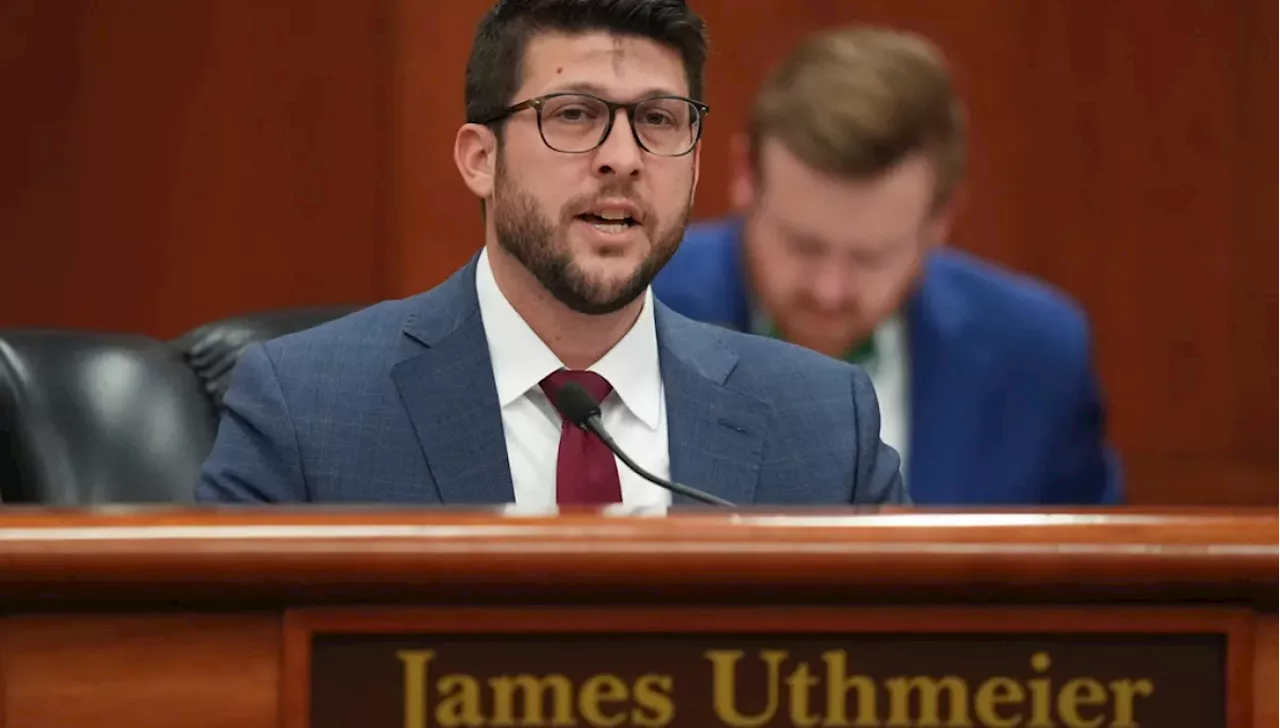
Florida’s Attorney General, James Uthmeier, announced plans to request the state’s nursing board to revoke the license of an anesthesiologist who has publicly stated he will not treat patients affiliated with the Republican Party. This announcement came following remarks made by the anesthesiologist on social media, where he specifically referenced refusing care to those he described as “MAGA” Republicans.
Uthmeier stated on March 18, 2024, that he would “page” the Florida Board of Nursing to take action against the anesthesiologist, whose statements he deemed unethical and contrary to the principles of medical care. The attorney general emphasized that healthcare professionals have an obligation to provide care without discrimination based on political beliefs.
The anesthesiologist’s comments have stirred significant controversy, echoing a similar incident involving a nurse, Lexie Lawler, who was dismissed from her position at Baptist Health South Florida after making inflammatory remarks about a patient on social media. Uthmeier also called for the revocation of Lawler’s medical license. In both cases, the individuals have used their platforms to express their political views, raising ethical questions about the responsibilities of healthcare providers.
In a statement, Uthmeier asserted, “It is my right, it is my ethical oath, and I stand behind my education. I own all of my businesses and I can refuse anyone!” This perspective reflects a growing concern among some officials regarding the intersection of personal beliefs and professional responsibilities in the healthcare sector.
The anesthesiologist, who graduated from the University of Miami, is now facing the potential loss of his medical license as the Florida nursing board reviews the situation. Uthmeier’s actions signal a firm stance against perceived political discrimination in medical practice, which advocates argue undermines the foundational principle of providing care to all individuals.
As of now, the anesthesiologist has not publicly responded to Uthmeier’s remarks or the potential investigation by the nursing board. The outcome of this situation may set a precedent for how similar cases are handled in the future, particularly in the context of politically charged statements made by healthcare professionals.
The political climate surrounding healthcare continues to evolve, with ongoing debates about the role of personal beliefs in professional settings. As more cases emerge, the implications for both medical practitioners and patients remain a topic of significant discussion within the community and beyond.