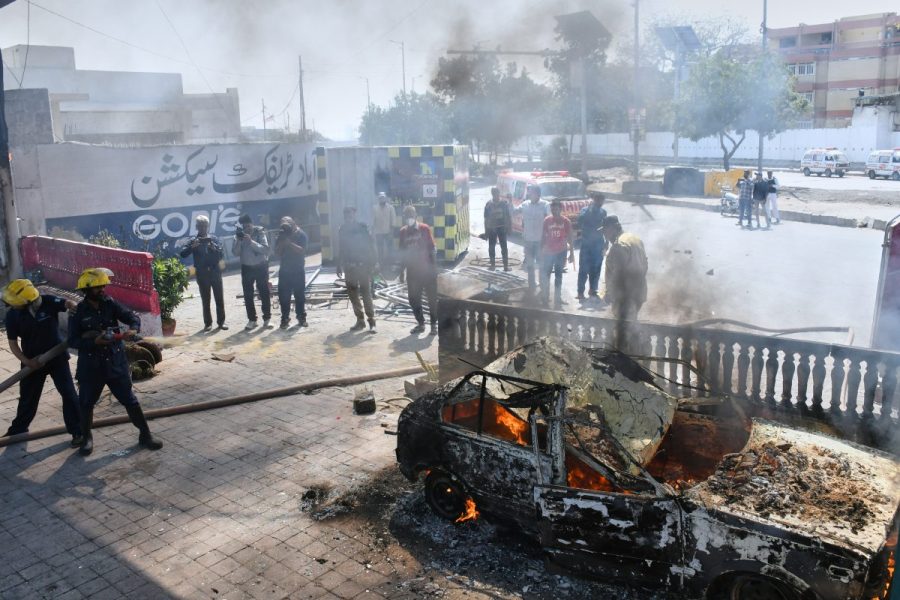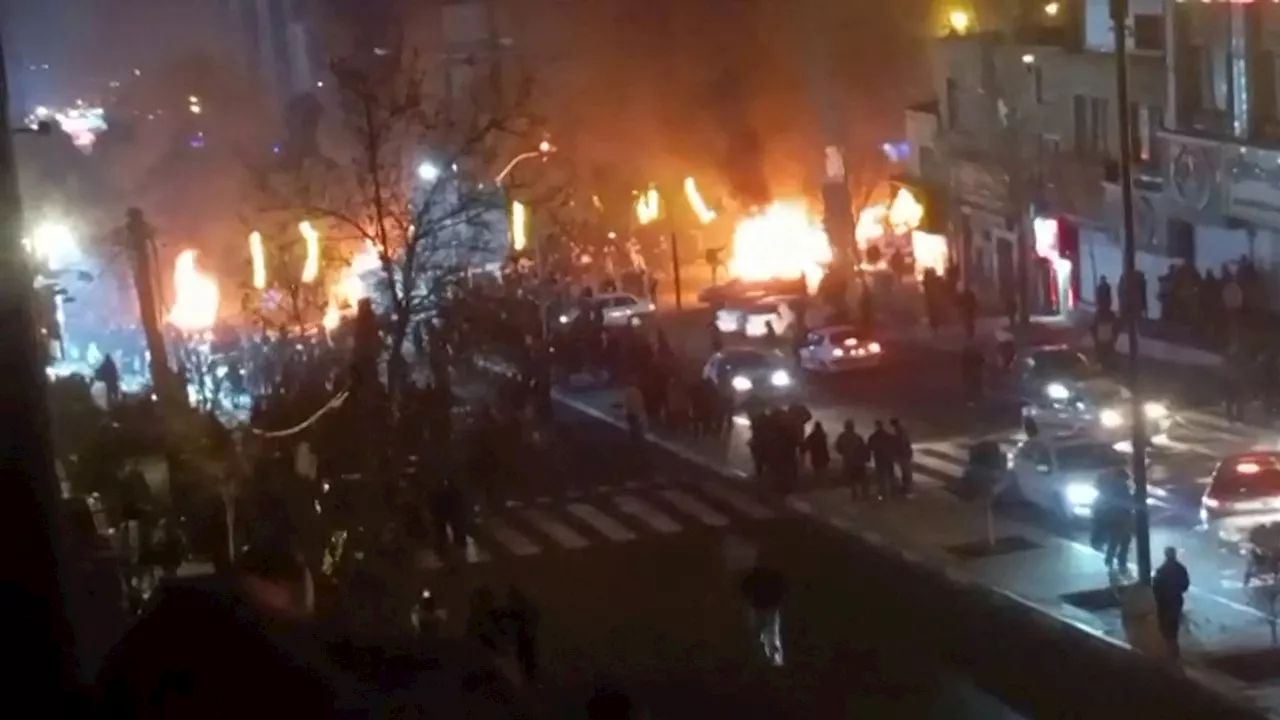
In a disturbing trend, a report has revealed that women human rights defenders (WHRDs) are increasingly facing violence and repression as a worldwide crackdown on civic freedoms intensifies. The CIVICUS 2025 People Power Under Attack report highlights that freedoms of association, expression, and peaceful assembly are being routinely violated across the globe. In 2025, people in 83 countries live in conditions where their civic freedoms are denied, a significant increase from 67 countries in 2020. This decline reflects a broader trend, with only around 7 percent of the world’s population now residing in nations where civic freedoms are broadly respected, down from 13 percent in 2020.
The report specifically outlines that WHRDs, who advocate for human rights and gender justice, are among the most affected by this crackdown. These women and girls work on various human rights issues, including environmental activism, humanitarian efforts, and journalism. Their activism places them at a heightened risk of discrimination and abuse, not only for their work but also due to their gender identity, which challenges entrenched societal norms and patriarchal structures.
Increasingly, WHRDs are subject to online intimidation and threats, as documented in the report, which cites numerous cases of violence against women journalists. Such attacks are often fueled by the rise of authoritarian regimes and fundamentalist ideologies. Governments and non-state actors are becoming bolder in their anti-rights actions, creating an environment in which repression and violence against WHRDs are normalized and, in some cases, celebrated.
Political leaders and anti-rights networks are actively working to stigmatize campaigns for women’s rights. They manipulate public narratives, claiming that efforts for gender justice threaten traditional values, national security, and family welfare. This has resulted in diminishing support for crucial initiatives, including those focused on sexual and reproductive health, HIV prevention, and the involvement of women and girls in decision-making processes.
CIVICUS’s Stand As My Witness Campaign underscores the perilous circumstances faced by WHRDs. The campaign highlights stories of brutal arrests and mistreatment of women dedicated to justice. Notable cases include Pakhshan Azizi, Sharifeh Mohammadi, and Verisheh Moradi, who are currently facing death sentences in Iran. Narges Mohammadi, a renowned Iranian human rights activist and journalist awarded the Nobel Peace Prize in 2023, has been imprisoned multiple times for her advocacy.
Other WHRDs have also encountered arbitrary arrests, such as Chow Hang-Tung from Hong Kong, who has fought for labor rights, and Marfa Rabkova, a human rights coordinator in Belarus. Kenia Hernandez, a land rights advocate in Mexico, and Hoda Abdel Moneim, a human rights lawyer from Egypt, are among those who have faced unjust detentions.
The report highlights systemic issues, noting the pervasive influence of cowardly leaders who draw power from patriarchal norms and anti-rights networks. The restrictions placed on civil liberties make it increasingly difficult to hold governing bodies accountable. The intensifying repression of civic space, as documented in the People Power Under Attack report, necessitates coordinated action to support activists and human rights defenders.
There is an urgent need to dismantle the gender discriminatory norms and patriarchal rules that perpetuate human rights violations. National, regional, and international human rights institutions must implement intersectional protection mechanisms and gender-responsive policies that address the unique needs of WHRDs. Multilateral organizations should hold member states accountable for their international commitments, while regional and global institutions must invest in monitoring and protecting WHRDs, ensuring perpetrators of abuses are brought to justice.
Despite the recognition of gender equality as essential to achieving sustainable development, the safety and support for those advocating for these rights remain alarmingly insufficient. The Sustainable Development Goals, agreed upon by all states in 2015, emphasize gender equality, yet little progress has been made in safeguarding the activists who strive for it. Women and girls play a crucial role in the pursuit of peace and justice, and it is imperative they receive the protection and support they need in the face of growing attacks.
Reylynne Dela Paz, Advocacy Lead at CIVICUS, emphasizes the importance of recognizing the struggles faced by WHRDs and the need for systemic change to ensure their safety and freedom to advocate for human rights. The narrative must shift from mere acknowledgment to active support and protection as these defenders continue to fight for justice in an increasingly hostile environment.