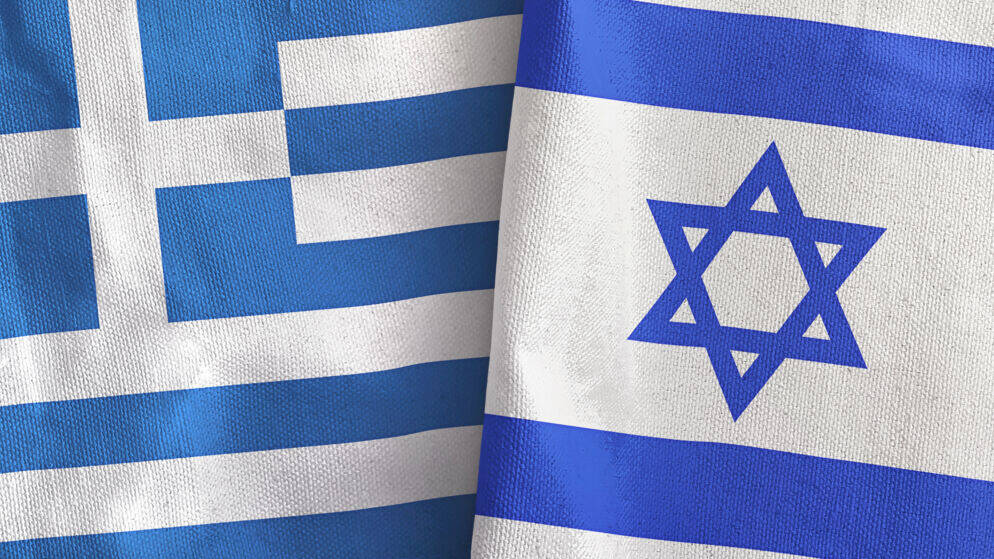
Greece has undergone a significant transformation in its diplomatic relations with Israel over the past decade. Once a nation that maintained a distant relationship with the Jewish state, Greece now stands as one of Israel’s closest allies in Europe. This shift began after strained Israeli-Turkish relations in 2010, following the Mavi Marmara incident, which opened avenues for Greece to enhance its defense and energy cooperation with Israel.
The turning point came on October 7, 2023, when Greece expressed solidarity with Israel following a major escalation in conflict. The Greek Parliament displayed the Israeli flag, and Prime Minister Kyriakos Mitsotakis visited Israel, meeting with families of hostages and publicly reaffirming his support. Despite increasing pressure from other European nations regarding the situation in Gaza, Greece has maintained its commitment to Israel, opting not to downgrade diplomatic relations.
Strategic Cooperation and Domestic Tensions
In recent months, Greece has demonstrated its commitment to strategic cooperation with Israel. Security collaboration has continued, even as regional tensions escalated. For instance, Israel discreetly relocated civilian aircraft to Greek airports earlier this year, indicating a strong level of trust between the two nations. On March 25, 2025, the Greek Embassy in Israel celebrated Greek Independence Day at Kibbutz Be’eri, a gesture that underscores the deepening ties between the countries.
Despite the strengthened alliance, Greece’s pro-Israel stance has sparked considerable public protests. Demonstrations erupted across the country, particularly in port cities and tourist areas, where Israeli cruise ships faced blockades. Incidents of vandalism targeting Jewish cemeteries and Holocaust memorials further highlighted the tensions. Protesters expressed their discontent with the government’s foreign policy, revealing a significant divide between official positions and public sentiment.
The response from the Greek government has been firm. Ministers condemned the protests, labeling them as shameful, and police provided protection for Israeli visitors. Local officials and business leaders organized counter-demonstrations to assure Israelis of their welcome in Greece. This firm stance demonstrates that the government is committed to maintaining its relationship with Israel, regardless of domestic dissent.
Regional Impact and Future Considerations
Greece is not the only nation in the Eastern Mediterranean redefining its relationship with Israel. Cyprus has similarly shifted from cautious engagement to robust cooperation in energy, intelligence, and defense sectors. Other European countries, including Austria and the Czech Republic, have also strengthened their ties with Israel since the events of October 7, suggesting a broader realignment across the continent.
The sustainability of these partnerships hinges on public support. Leaders in Greece, including Mitsotakis, acknowledge the need for a balance between diplomatic alignment and domestic approval. “Friends must speak hard truths,” Mitsotakis stated, recognizing that support for Israel cannot be unconditional.
As Greece moves closer to Israel, the question remains: can this new alignment withstand the challenges posed by democratic pressures, ongoing conflicts, and regional complexities? The shift from a cautious distance to a strong partnership is evident, but the resilience of this relationship will depend on the ability of Greek leaders to navigate both international alliances and domestic sentiment.