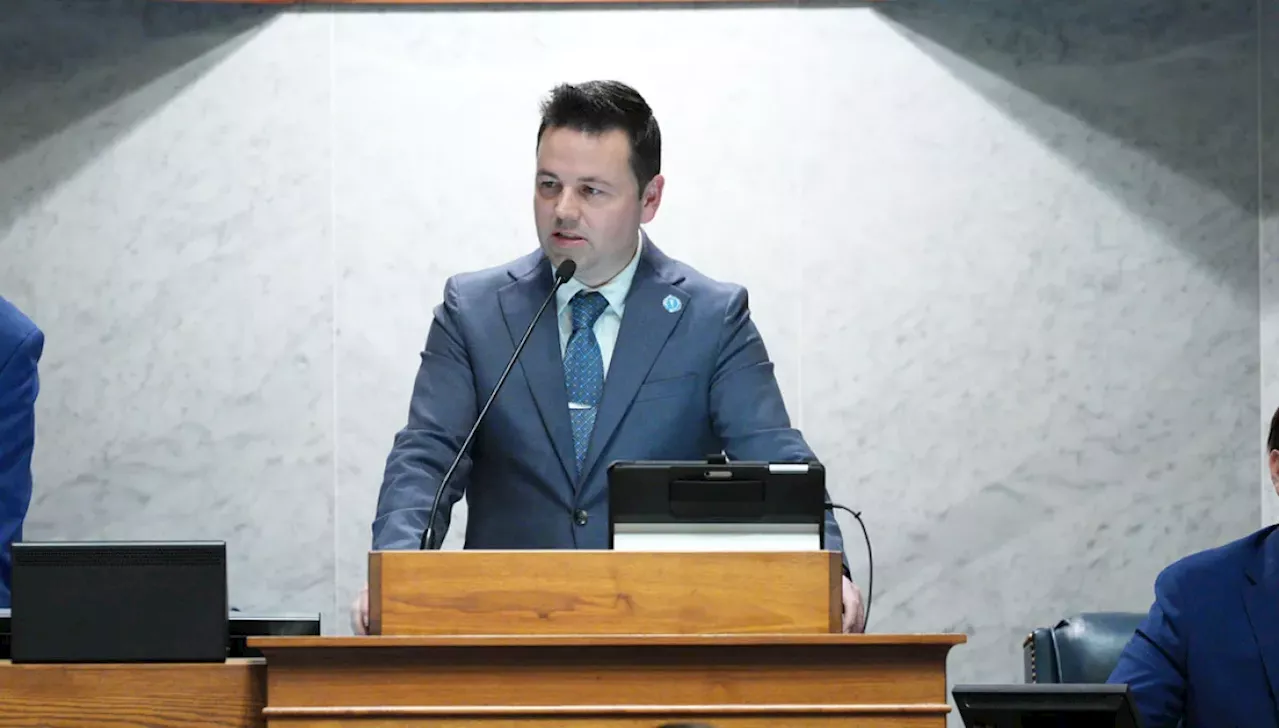
Indiana’s Lieutenant Governor, Micah Beckwith, has expressed concerns about the relationship between the state and the Trump administration following a failed redistricting effort. On March 31, 2024, the Indiana Senate voted 31-21 against a GOP-supported redistricting plan that had received backing from President Donald Trump and his team. This decision has raised alarms about potential repercussions for Indiana’s federal funding.
In a post-vote discussion, Beckwith was asked if there were threats from Trump regarding federal funding if Republican lawmakers did not support the redistricting initiative. While he did not label it a threat, Beckwith indicated that the Trump administration may seek partnerships with other states after Indiana lawmakers’ rejection of the redistricting plan. He noted, “Yes, these conversations happened. But it’s not a threat. It’s an honest conversation about who wants to partner with whom.”
Beckwith elaborated on the implications of this decision, suggesting that Indiana might miss out on key projects like a potential USDA Hub. “Indiana told the Trump administration they don’t want to be a good partner, and I suspect they will look to partner with other states before us,” he said.
The failed redistricting plan was a significant point of contention among Indiana Republicans. Governor Mike Braun expressed disappointment in a small faction of state senators who, he claimed, aligned with Democrats to reject the initiative. Braun stated, “I will be working with the President to challenge these people who do not represent the best interests of Hoosiers.” His comments reflect a broader concern about the political ramifications of the Senate’s decision.
The redistricting proposal aimed to secure all nine of Indiana’s congressional districts for the GOP, but resistance from certain state senators has complicated the situation. Senate President Pro Tempore Rodric Bray has faced criticism for his handling of the redistricting effort, with some accusing him of not being supportive enough.
Vance, a notable political figure in the state, commented on Bray’s approach, stating, “Rod Bray has consistently told us he wouldn’t fight redistricting while simultaneously whipping his members against it.” This has sparked further debate about leadership within the Indiana Republican Party.
As the political landscape continues to evolve, the implications of this redistricting vote extend beyond state politics. With the potential for lost federal support, Indiana may find itself in a precarious position if the Trump administration shifts its focus to other states that align more closely with its political objectives. The situation serves as a reminder of the interconnectedness of state and national politics, particularly within the current landscape defined by party loyalty and strategic partnerships.